BuzzRAG Daily Digest — 2026-11-08

Curated by AI. Callum Pierce
Today’s trends range from a fiery sight in the sky to questions about transparency in digital entertainment. Open-source projects and a revived magazine archive add a second thread: how people build, preserve and choose their technology and culture.
Game Studio Discloses Pirate Token Drop Rate After Fan Backlash
After players criticized the scarcity of an in-game Pirate Token, Epic has disclosed its drop rate, according to reports corroborated by IGN and Destructoid. The dispute had escalated beyond ordinary frustration: some fans reportedly tried to report the studio to the U.S. Federal Trade Commission, raising questions about how clearly the odds for virtual rewards are communicated.
The disclosure gives players a concrete probability to assess, though the available report does not specify the figure or describe any change to the item itself. That distinction matters: revealing a rate can answer questions about chance without resolving whether the reward feels fair or whether players had enough information beforehand. The episode reflects a broader tension in games that use randomized drops, where rarity can drive excitement but opaque odds can erode trust. Player reaction to the disclosed figure may show whether transparency is enough—or whether fans expect changes to the system as well.
Astronomy Picture of the Day Spotlights a Major Fireball
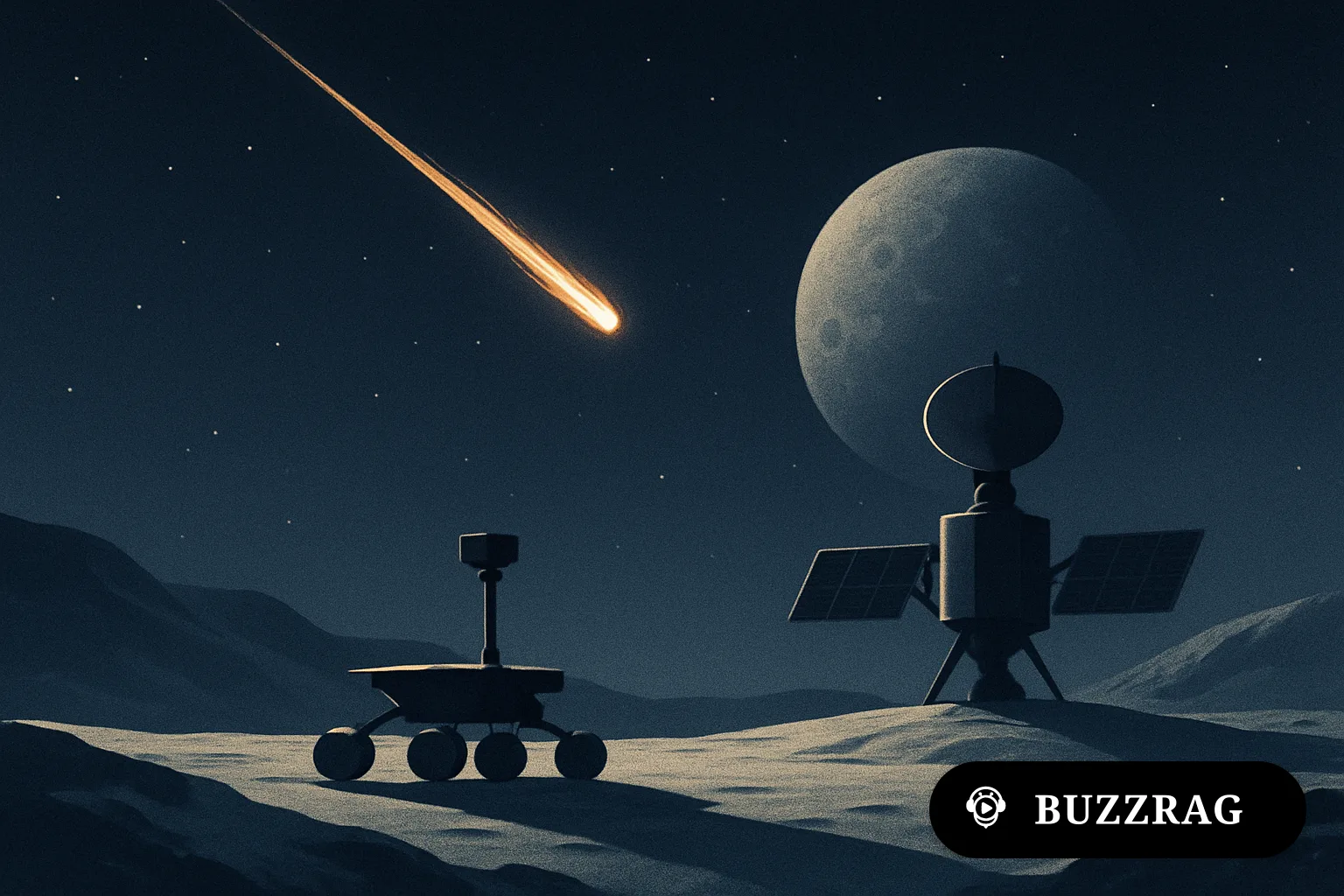
The November 8 Astronomy Picture of the Day features a major fireball meteor, bringing a dramatic event in Earth’s sky into the daily astronomy spotlight. The program pairs a featured image or photograph with an explanation written by a professional astronomer, giving readers a guided look at a subject in the cosmos.
A fireball is the exceptionally bright appearance of a meteor as it crosses the atmosphere. The image-of-the-day format can make such fleeting phenomena accessible while inviting questions about what observers saw and how astronomers interpret it. The listing provided here does not include the photograph’s location, the meteor’s trajectory or a detailed account of its observation, so those specifics should be taken from the accompanying NASA explanation rather than inferred from the headline. The feature is a reminder that striking sky events can connect a moment of visual spectacle with the careful work of understanding objects entering Earth’s atmosphere.
A DIY Guide Brings Kirlian Photography Within Reach
A newly circulating guide explains how to build equipment for Kirlian photography, a technique known for producing luminous-looking patterns around objects placed near a high-voltage field. The project has drawn attention on Hacker News, where readers are sharing a practical, hands-on alternative to simply viewing the images as curiosities.
Kirlian-style images are associated with electrical discharge effects, not proof of an invisible life force. Building the apparatus therefore sits at the intersection of photography, experimentation and high-voltage engineering. That last part makes safety central: anyone considering a construction project should follow the guide’s precautions closely and understand the electrical risks before attempting anything. The interest also shows the enduring appeal of projects that turn a mysterious-looking visual effect into something people can investigate for themselves. The key question for readers is not only what patterns the equipment can produce, but how reliably they can be captured and explained.
Starlog’s Archive Returns as the Science-Fiction Magazine Plans a Comeback
The science-fiction magazine Starlog is set to relaunch with one issue a year beginning November 13, while its back issues are returning to the Internet Archive. The publication ran from 1976 to 2009, building a readership around coverage of science fiction and the screen culture surrounding it. The news offers both a new chapter and a route back into the magazine’s long history.
Making the older issues accessible gives readers a chance to revisit how the genre and its fandom were discussed across decades, while an annual schedule suggests the relaunch will take a measured approach rather than restore the original publishing cadence. The return also speaks to the role archival collections play in keeping specialist publications available after their original runs end. For longtime readers, the revival may reconnect a familiar title with its audience; for newcomers, the digitized back issues provide context for what made the magazine resonate. The first new issue will offer an early signal of how the publication intends to balance that legacy with the present.
A Developer Makes the Case for Development-Driven Specs
A software project shared on Hacker News advances an approach described as “development-driven specs,” explicitly contrasting it with spec-driven development. The project’s title frames a familiar question for engineering teams: should detailed specifications lead the work, or should the process of building software shape how requirements are written and refined?
The listing provides little detail about the project’s methods, so it is not possible to say how its approach works in practice or what tools it uses. The distinction nevertheless points to a live debate in software development. Up-front specifications can align a team around intended behavior, but they may become stale as implementation reveals new constraints. A development-led process may keep documentation closer to what is being built, though teams still need clear shared expectations. The repository’s reception is modest so far, making it an early conversation starter rather than evidence of a settled shift. Its value will depend on whether the project offers concrete practices that developers can test against real work.
Rust and egui Power a New Native Desktop Messaging Client
ZapFast is a new project aiming to provide a fast, native desktop client for WhatsApp, built with Rust and the egui interface toolkit. The repository has attracted attention on Hacker News, with commenters focusing on an alternative to using messaging through a browser or a platform’s standard desktop application.
The project’s description emphasizes its implementation and interface rather than offering evidence about performance, feature completeness or long-term support. Those details will matter to anyone considering it: a messaging client has to keep pace with service changes, handle account and privacy expectations responsibly, and remain reliable across updates. An independent client can appeal to people who value native software and a particular technology stack, but its practicality depends on how it connects to the underlying service and what capabilities it supports. For now, the project is best understood as an early open-source experiment. Its development will show whether speed and a native feel can be paired with the reliability users expect from everyday communications.
AlpineBSD Sets Out to Build an Operating System Without AI-Generated Code
AlpineBSD has been announced as a free, open-source operating system project whose stated goal is to avoid AI-generated code. Its proposed system combines the NetBSD kernel and libc with a port of the Alpine Linux userland, bringing components from two established open-source ecosystems into a new BSD-family effort.
The project is at a very early stage: the report says installation media are not yet available, although a manual bootstrap is possible. That makes its current significance less about an immediately usable alternative and more about its technical direction and its explicit development principle. The pledge against generated code also lands amid wider debate over how software is authored, reviewed and maintained. Whether the project can turn its component choices into a coherent, installable system will be the practical test. Early contributors and users will need to assess documentation, compatibility and maintenance alongside the project’s stated approach to code creation.
Windows 11 Drops Direct PC-to-PC Migration in Favor of Cloud Backup
Microsoft has removed a Windows 11 feature that transferred files and settings directly from one PC to another over Wi-Fi or Ethernet, according to an updated support page reported by Ghacks. The documentation now points users toward Windows Backup, which relies on OneDrive rather than a direct connection between the computers.
That change alters the path people may take when setting up a replacement machine. A local transfer can move data between devices without first sending it through cloud storage; a cloud-based workflow may be more convenient for users already backing up online, but it depends on an account, connectivity and available storage. The report does not explain why the direct migration option was removed or whether it could return. Users preparing a PC move should check current support guidance and confirm what data their chosen backup method includes. The shift also highlights a broader trade-off in consumer computing: simpler centralized services can streamline setup, while reducing the number of local alternatives available.
Mbappé’s Scoring Form Puts a Real Madrid Benchmark in View
Kylian Mbappé’s recent scoring run for Real Madrid has prompted comparisons with Cristiano Ronaldo, as the forward strings together notable stretches in LaLiga and the Champions League. The attention centers on a demanding benchmark: sustaining a scoring pace that places a player among the club’s most prolific figures.
The report describes Mbappé finding goals at key moments, but the material available here does not provide the exact run length or a specific record tally. Those figures are essential context for judging how close he is to Ronaldo’s mark, and comparisons across eras also depend on the competitions and measures being counted. Even so, the conversation captures the expectations attached to a high-profile scorer at a club with a celebrated history of goal-getters. The next test is whether the form continues across both domestic and European fixtures, where consistency and timing can matter as much as raw totals. For now, the comparison is a measure of momentum, not a record already claimed.
The coming days should clarify whether transparency can quiet frustration over randomized rewards, and whether early software projects can turn ambitious principles into dependable tools. On the cultural front, a returning annual magazine and a renewed look at the night sky offer reminders that both archives and fresh observations can keep curiosity alive.