BuzzRAG Daily Digest — 2026-06-03

Curated by AI. Callum Pierce
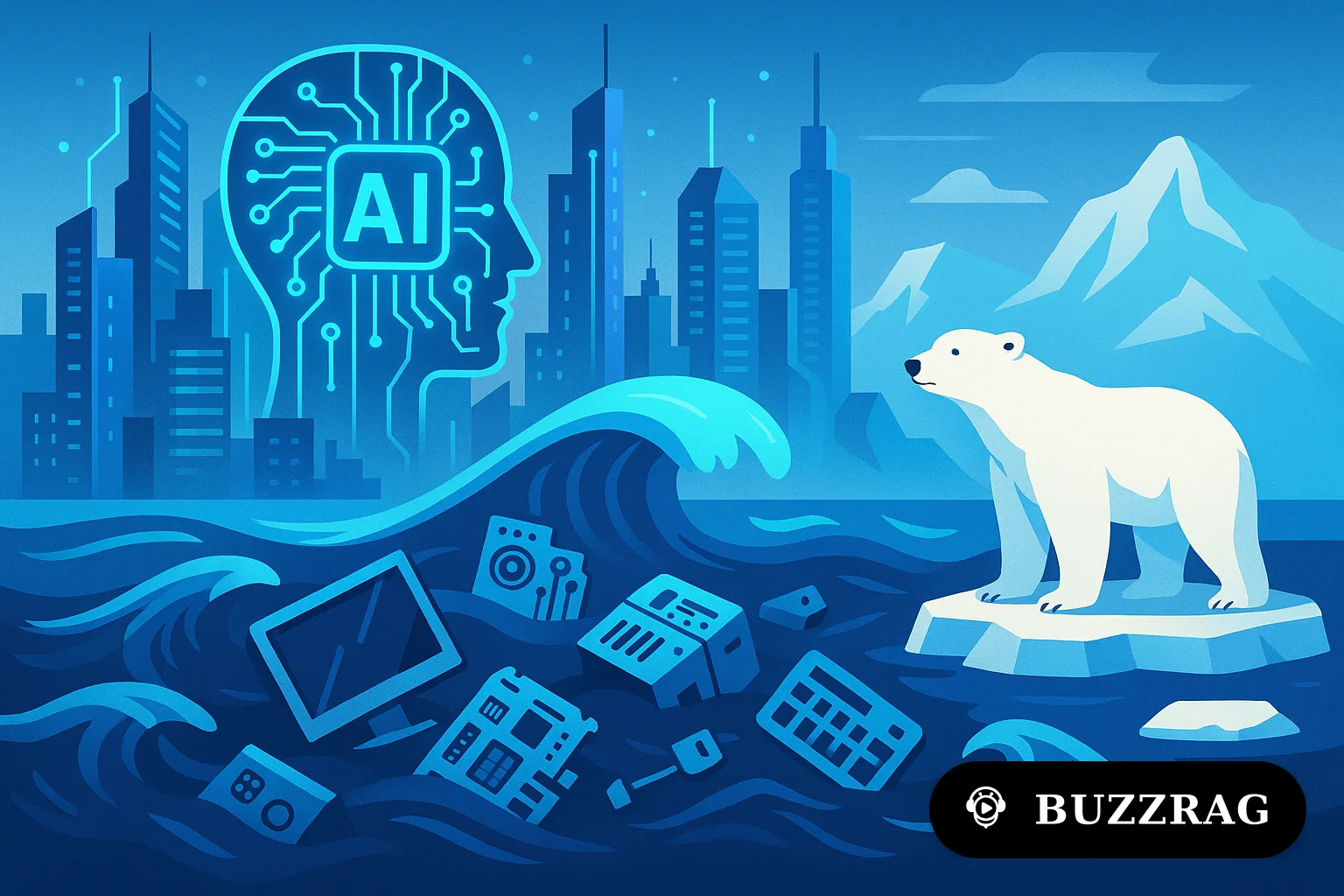
Today's news is a blend of technological advancements, environmental policy shifts, and cultural reflections. From the competitive landscape of AI to the dismantling of vital ocean monitoring systems, these stories reveal the pressing issues of our time.
Perplexity CEO on Key AI Metric
In a recent CNBC interview, Perplexity CEO Aravind Srinivas highlighted a crucial metric that could determine the future leaders in the AI industry. According to Srinivas, the ability to deliver the "most taken value per watt per user" is key to winning in the AI race. This metric emphasizes efficiency and user value, challenging companies to optimize their technology for maximum impact.
The significance of this metric lies in its focus on the balance between power consumption and user benefits. As AI continues to evolve and integrate into various sectors, efficiency will be paramount, especially against the backdrop of increasing environmental concerns and energy demands. Companies that successfully navigate this balance are likely to gain a competitive edge in a rapidly growing market.
This perspective from Perplexity underscores the broader industry trend towards sustainable yet impactful technological solutions. As AI continues to reshape industries, the emphasis on energy efficiency and user-centric design will likely drive innovation and influence strategic decisions in tech companies worldwide.
Trump Administration's Ocean System Dismantling
The Trump administration has announced plans to dismantle the National Science Foundation's Ocean Observatories Initiative, a $368 million project crucial for monitoring oceanic and climate changes. This initiative comprises over 900 deep-sea instruments that collect data on ocean currents, ecosystems, and climate phenomena. The removal of these instruments is set to begin in June, raising concerns among environmentalists and scientists.
This decision could have significant implications for climate research and environmental policy. The Ocean Observatories Initiative has been vital in understanding climate change impacts, such as carbon absorption and coastal flooding. Its dismantling may hinder scientific efforts to track and mitigate climate-related issues, potentially affecting global climate policy and research.
Critics argue that removing these instruments undermines years of valuable data collection and research, which are essential for informed environmental policy. As climate change continues to be a critical global issue, the loss of such a comprehensive monitoring system could impair future efforts to address this pressing challenge.
Wimmy Road Boyz: A High-Octane Debut
Sufiyaan Salam's debut novel, "Wimmy Road Boyz," is making waves with its vibrant depiction of life on Manchester’s Curry Mile. The novel opens with three twentysomethings navigating the bustling street life in a whirlwind of multilingual prose, capturing the essence of a bustling urban landscape. Salam's work is a blend of coming-of-age narrative and a broader social commentary, offering readers a fresh literary experience.
Set against the backdrop of Manchester, the novel explores themes of identity, community, and aspiration. The Curry Mile, known for its vibrant cultural tapestry, serves as a fitting stage for Salam’s exploration of youthful dreams and societal challenges. The narrative’s electric pace and vivid imagery draw readers into a world where personal and communal stories intersect.
Critics have praised "Wimmy Road Boyz" for its innovative style and cultural insights, marking it as a standout debut in contemporary literature. As readers immerse themselves in Salam’s dynamic storytelling, the novel promises to spark discussions on cultural diversity and the complexities of urban life.
Allen Ginsberg's Lasting Legacy
Allen Ginsberg, one of the most influential poets of the 20th century, continues to inspire generations with his groundbreaking work. The Quietus recently explored Ginsberg's enduring cultural legacy, highlighting how his poetry, particularly "Howl," remains a powerful voice against societal norms and injustices. Ginsberg's work, characterized by its raw emotion and candid social critique, challenged the status quo and sparked a cultural revolution during the Beat Generation.
Ginsberg's influence extends beyond literature; his advocacy for civil rights, freedom of expression, and environmental causes resonates in today's socio-political landscape. His fearless exploration of taboo subjects and innovative poetic style have inspired countless writers and activists. As society grapples with issues of inequality and censorship, Ginsberg’s legacy serves as a reminder of the power of art to drive change.
The ongoing relevance of Ginsberg’s work underscores the timeless nature of his themes and the universality of his message. As new generations discover his writings, Ginsberg’s cultural impact continues to grow, affirming his place as a pivotal figure in literary and activist circles.
Europe's AI Power Challenge
SoftBank has announced plans to construct AI data centers in the Hauts-de-France region, with a projected output of 3.1 GW by 2031. This move is part of a broader trend where Europe's regulatory landscape is being tested by Big Tech's expansive AI ambitions. SoftBank's investment highlights the growing demand for infrastructure capable of supporting AI advancements, as well as the strategic importance of Europe in the global tech ecosystem.
The development of such data centers is crucial for handling the massive computational needs of AI technologies. However, it also raises questions about energy consumption and regulatory compliance in a region known for stringent tech policies. As Europe seeks to balance innovation with regulation, these projects could set precedents for how tech giants interact with local economies and governance structures.
As these data centers take shape, stakeholders will be keenly observing how Europe's regulatory framework adapts to the challenges and opportunities posed by AI. The outcomes of such developments could influence global tech policies, particularly regarding sustainability and innovation management in the AI sector.
Bird Flu Linked to Polar Bear Death
A polar bear in Svalbard has been found dead, with tests confirming a link to highly pathogenic bird flu. This incident marks a significant development in the spread of avian influenza, highlighting the potential cross-species transmission risks associated with the virus. As polar bears are apex predators, their health is an indicator of broader ecosystem stability.
The presence of bird flu in such a remote and pristine environment raises concerns about the virus's reach and impact, particularly as climate change alters migratory patterns and habitats. Scientists are now tasked with understanding how the virus could spread among polar wildlife and the implications for conservation efforts.
This case underscores the need for vigilant monitoring and research to prevent further wildlife casualties and to better understand the ecological shifts occurring in polar regions. The incident also serves as a reminder of the interconnectedness of global ecosystems and the need for comprehensive strategies to address emerging infectious diseases.
As technological and environmental challenges continue to unfold, these stories highlight the intersection of innovation, policy, and cultural reflection. Stay informed as these narratives evolve, shaping our understanding of the world.