BuzzRAG Tech Desk — 2026-06-03

Curated by AI. Vincent Ko, Technology Desk Editor
Today's tech landscape is marked by a tension between innovation and its potential consequences. As AI encroaches on traditional fields like mathematics, new software paradigms emerge, such as Microsoft's agent-based operating system, challenging the status quo. Meanwhile, policy decisions threaten essential scientific infrastructure, underscoring the intersection of technology and governance.
Mathematicians Challenge AI's Role in Their Field
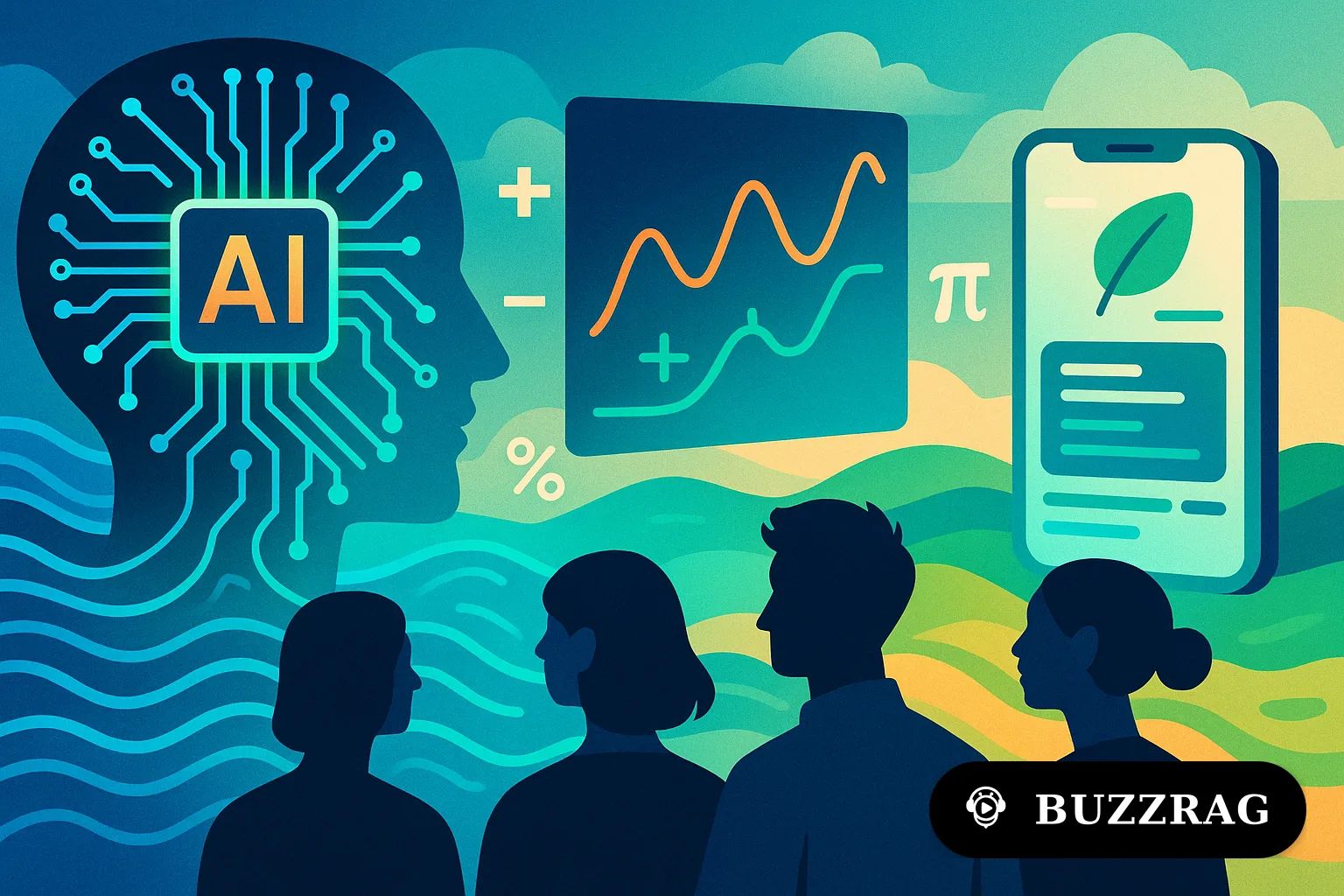
A new Leiden Declaration, endorsed by the International Mathematical Union, warns that the encroachment of AI into mathematics could lead to a deluge of seemingly plausible but flawed proofs. The declaration, published on June 2, 2026, highlights concerns about the weakening of traditional mathematical rigor and attribution, with tech companies gaining undue influence over research priorities.
The declaration underscores the historic tension between innovation and the safeguarding of intellectual integrity. Mathematicians fear that the inherent complexity and opacity of AI-generated proofs could undermine the foundational aspects of the discipline. This scenario mirrors early fears about digital technologies in other fields, where automation risked eroding the craftsmanship and nuanced expertise of human practitioners.
The broader conversation around AI's role in academic and professional fields continues to evolve. As AI tools become more sophisticated, the challenge will be to balance their capabilities with the preservation of domain-specific expertise and ethical standards.
Microsoft's Project Solara: An OS for Agents
Microsoft has unveiled Project Solara, a novel Android-based operating system focusing on 'agents' rather than traditional apps. This shift represents a significant departure from the app-centric model that has dominated mobile technology since the early 2000s.
Project Solara introduces a framework where autonomous agents, small AI-driven programs, interact with users and each other to perform tasks. This concept recalls the early promises of intelligent agents from the 1990s, a vision that was technologically premature at the time. By leveraging advancements in AI and machine learning, Microsoft aims to create a more seamless and intuitive user experience.
As Project Solara begins to roll out, developers and consumers alike will be watching to see how this shift impacts software development patterns and user interaction paradigms. This evolution could redefine the mobile ecosystem, emphasizing service-oriented interactions over traditional app downloads.
Trump Admin Plans to Dismantle Ocean Monitoring
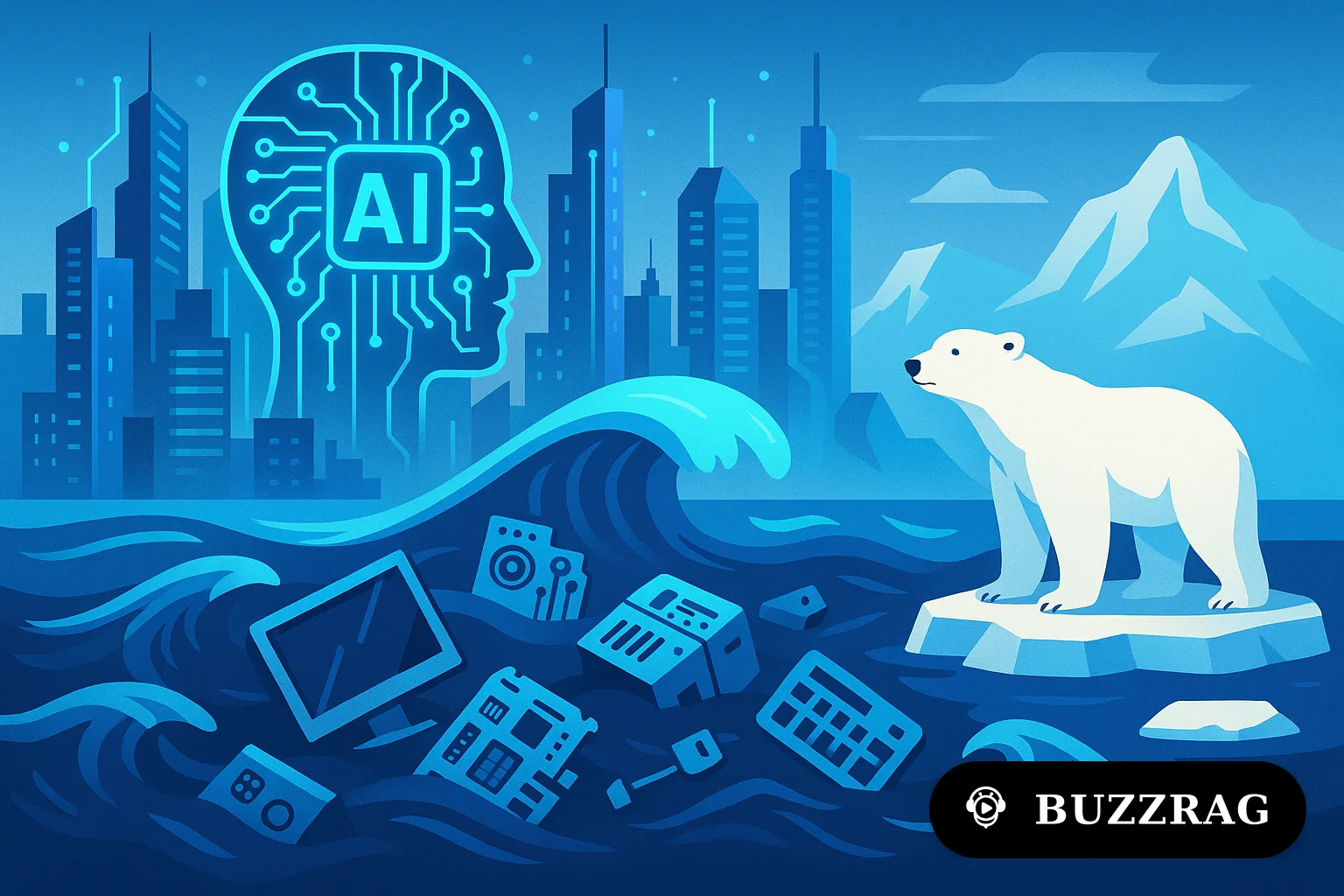
In a controversial move, the Trump administration is set to dismantle the National Science Foundation's Ocean Observatories Initiative, a critical $368 million network of ocean monitoring instruments. This initiative has been vital for tracking ocean currents, marine ecosystems, and climate change impacts.
The decision to withdraw support from this infrastructure underscores the ongoing debate over federal funding priorities in science and technology. The Ocean Observatories Initiative, established in the early 2000s, has provided invaluable data for climate research and policy-making, reflecting a long-standing commitment to understanding and mitigating environmental challenges.
The scientific community has expressed concern about the potential loss of data continuity and the broader implications for climate science. This development highlights the intersection of technology, science, and politics, where policy decisions can have far-reaching impacts on research capabilities and environmental stewardship.
GitHub Copilot App: Expanding AI in Development
GitHub has announced a new iteration of its Copilot technology, introducing a dedicated app designed to integrate AI more deeply into the software development process. This move builds on the success of Copilot, originally launched in 2021, which uses AI to assist developers by suggesting code and automating routine tasks.
The Copilot app aims to offer a more immersive 'agent-native' desktop experience, reflecting a broader trend towards AI-driven development environments. This evolution is reminiscent of past shifts in developer tools, such as the transition from command-line interfaces to integrated development environments (IDEs) in the 1980s and 1990s.
As AI continues to reshape the development landscape, the Copilot app could further democratize programming by lowering barriers to entry and accelerating the coding process. However, it also raises questions about the future role of traditional coding skills and the potential for over-reliance on AI-generated code.
DOGE Whistleblower Faces Retaliation
A whistleblower who exposed irregularities in the popular cryptocurrency DOGE has reportedly faced retaliation, sparking concerns about the safety of those who challenge powerful digital entities. The individual claims that after their revelations, their vehicle was sabotaged, leading to a dangerous incident.
This case echoes historical challenges faced by whistleblowers across industries, where exposing misconduct often comes with personal risk. In the volatile world of cryptocurrencies, where regulatory frameworks are still evolving, such incidents highlight the precarious balance between innovation and accountability.
The situation underscores the need for robust protections for individuals who speak out against unethical practices in tech. As cryptocurrencies continue to grow in influence, ensuring transparency and security will be crucial to their legitimacy and sustainability.
Uber Caps AI Spending Amid Budget Overrun
Uber has announced a cap on employee AI spending after exceeding its budget within just four months. The move reflects the intense investment in AI technologies across industries, but also the challenges of managing these costs effectively.
The rapid expenditure highlights the allure and the potential pitfalls of AI initiatives, reminiscent of earlier tech booms where enthusiasm sometimes outpaced practicality. Companies like Uber, heavily reliant on AI for services like ride-hailing and delivery, must balance innovation with fiscal responsibility to ensure sustainable growth.
This development is a reminder of the importance of strategic planning in tech investments. As AI continues to evolve and expand, businesses will need to implement rigorous oversight mechanisms to manage resources efficiently and responsibly.
As AI and tech innovations continue to redefine traditional boundaries, the coming months will be pivotal in observing how industries adapt to these changes. Keep an eye on developments in AI ethics, regulatory frameworks, and the evolving dynamics between technology and society.