BuzzRAG Travel Desk — 2026-07-23

Curated by AI. Mariel Fontaine, Travel Desk Editor
Today's travel landscape is marked by strategic airline movements, innovative security models, and environmental initiatives. As Emirates rebuilds its capacity amidst ongoing conflicts, U.S. airports are rethinking security frameworks, and sustainability efforts are gaining traction in Thailand.
Emirates Reaches 92% Capacity Despite Regional Conflict
Emirates Airlines has remarkably restored 92% of its operational capacity even as the conflict in Iran continues to disrupt the region. This swift recovery rate is attributed to the strategic crisis management led by Sir Tim Clark. Despite the geopolitical challenges, Emirates' ability to adapt and maintain service levels has been notable, providing a blueprint for resilience in the aviation sector.
The airline's recovery comes faster than initially anticipated, showcasing a robust strategy that includes optimizing operations and leveraging its global network. This achievement highlights the tension between maintaining business continuity and navigating the uncertainties of ongoing regional conflicts. As Emirates continues to rebuild, the aviation industry watches closely, assessing the long-term implications for travel in politically volatile areas.
The ongoing situation in Iran poses potential risks to future operations, sparking discussions about the sustainability of such rapid recovery strategies. Observers are keen to see how Emirates will continue to balance growth with the unpredictability of regional politics.
Ryanair Chief Criticized Over Malta Incident Comments
Ryanair's chief Michael O'Leary has been criticized by U.S. investigators for comments made following a depressurization incident involving a Malta Air-operated Boeing 737. The National Transportation Safety Board (NTSB) admonished O'Leary for prematurely dismissing potential links between the incident and the aircraft's age or maintenance.
The incident, which involved an uncontained engine failure, raised significant concerns about aircraft safety and operational transparency. O'Leary's remarks were seen as undermining the investigation process, prompting a rare public rebuke from the NTSB. This highlights ongoing tensions between airline executives and regulatory bodies over safety communication and accountability.
The situation underscores the importance of careful communication in the wake of aviation incidents, as well as the need for airlines to collaborate closely with investigators to ensure passenger safety and maintain public trust.
Major U.S. Airports Explore Private Screening Alternatives
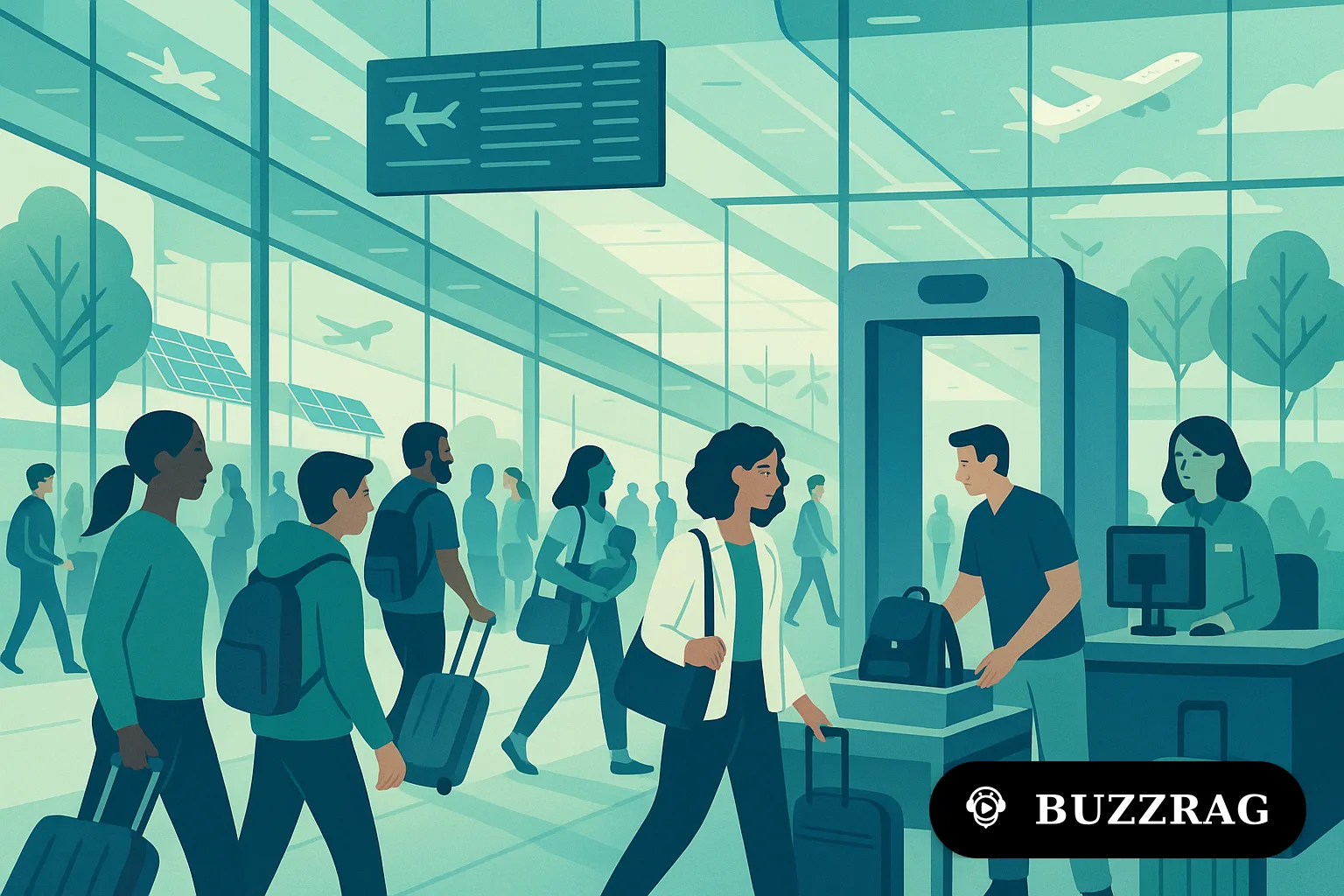
In a significant shift, three major U.S. airports have opted to replace TSA agents with a new private screening model. This move marks a departure from traditional airport security protocols, aiming to offer more flexibility and potentially improved efficiency in passenger processing.
The decision to move towards privatized screening reflects increasing demands for tailored security solutions that can better adapt to local needs and passenger volumes. It raises questions about cost, effectiveness, and the impact on traveler experience. Airports involved in the transition are under scrutiny to see how these changes will influence security outcomes and operational efficiency.
As this initiative unfolds, other airports may consider similar approaches, particularly if the new model proves successful. This could herald a broader shift in how airport security is managed across the country.
Meliá Chiang Mai's Commitment to Forest Restoration
Meliá Chiang Mai is intensifying its environmental efforts through a significant forest restoration initiative in northern Thailand. Since 2022, the hotel has planted over 6,600 native trees as part of its Meliá Go Green initiative, aimed at enhancing biodiversity and supporting ecosystems in Doi Suthep-Pui National Park.
This initiative aligns with broader environmental goals and reflects a growing trend among hospitality brands to invest in sustainability. By involving nearly 180 hotel employees in the latest tree planting activity, Meliá is fostering a culture of environmental responsibility and community engagement. Such efforts are crucial in combating deforestation and promoting ecological balance in the region.
The move is expected to bolster Meliá's reputation as a leader in sustainable tourism, potentially influencing other hotels to adopt similar practices. The impact of these efforts on local biodiversity and community awareness will be closely monitored as the initiative progresses.
As airlines adapt to new realities and security models evolve, the travel industry continues to navigate complex challenges. With sustainability initiatives gaining momentum, the future of travel looks to be a balance of innovation and responsibility.