BuzzRAG Travel Desk — 2026-07-11

Curated by AI. Mariel Fontaine, Travel Desk Editor
Today's travel trends highlight significant developments in corporate finance, rail competition, and aviation engineering challenges. Meanwhile, the allure of the Slovenian Riviera offers a picturesque summer escape.
Accor's Ennismore Eyes U.S. Market with Planned IPO
Accor is reportedly preparing for a U.S. initial public offering (IPO) of its lifestyle hospitality brand Ennismore, marking a strategic financial maneuver to tap into the American market. Ennismore, known for its trendy hotel brands, could leverage the IPO to expand its presence and drive growth in the lucrative U.S. sector. Accor's CEO, Sébastien Bazin, hinted at multiple strategic options for Ennismore, and this move aligns with those ambitions.
This IPO could significantly impact the hospitality landscape by increasing competition among lifestyle brands in the U.S., where experiential travel continues to gain momentum. For Accor, a successful IPO would not only provide capital for expansion but also spotlight its innovative hospitality offerings. The move comes at a time when global travel is rebounding, positioning Ennismore to capitalize on renewed demand.
Industry analysts will be watching closely to see how Accor navigates this high-stakes public offering, particularly in a volatile economic climate. The outcome could influence future investment strategies for other hospitality chains eyeing the U.S. market.
České Dráhy Faces Uncertainty Amid Czech Rail Market Changes
In the Czech Republic, České Dráhy (ČD), the national passenger operator, is confronting significant uncertainty due to a lack of a coherent long-term vision for the rail sector. Both incumbent and new entrants are affected by the absence of a clear capacity allocation plan. This situation has been highlighted by Jan Ilík, ČD's Head of International Affairs, who pointed out the transformative impact of competition on the Czech rail market landscape.
The introduction of competitive dynamics has indeed reshaped the market, challenging traditional operators like ČD to adapt swiftly. The absence of strategic direction from policymakers complicates long-term planning and investment, potentially hindering service improvements and expansion plans. This uncertainty may also deter future investments from new market entrants, affecting market vitality.
Stakeholders in the Czech rail industry are calling for more decisive policy frameworks to ensure sustainable growth and to maintain the momentum of market liberalization. As the situation evolves, the focus will be on how ČD and other operators navigate these challenges to secure their positions in a competitive environment.
Exploring the Slovenian Riviera's Summer Charms
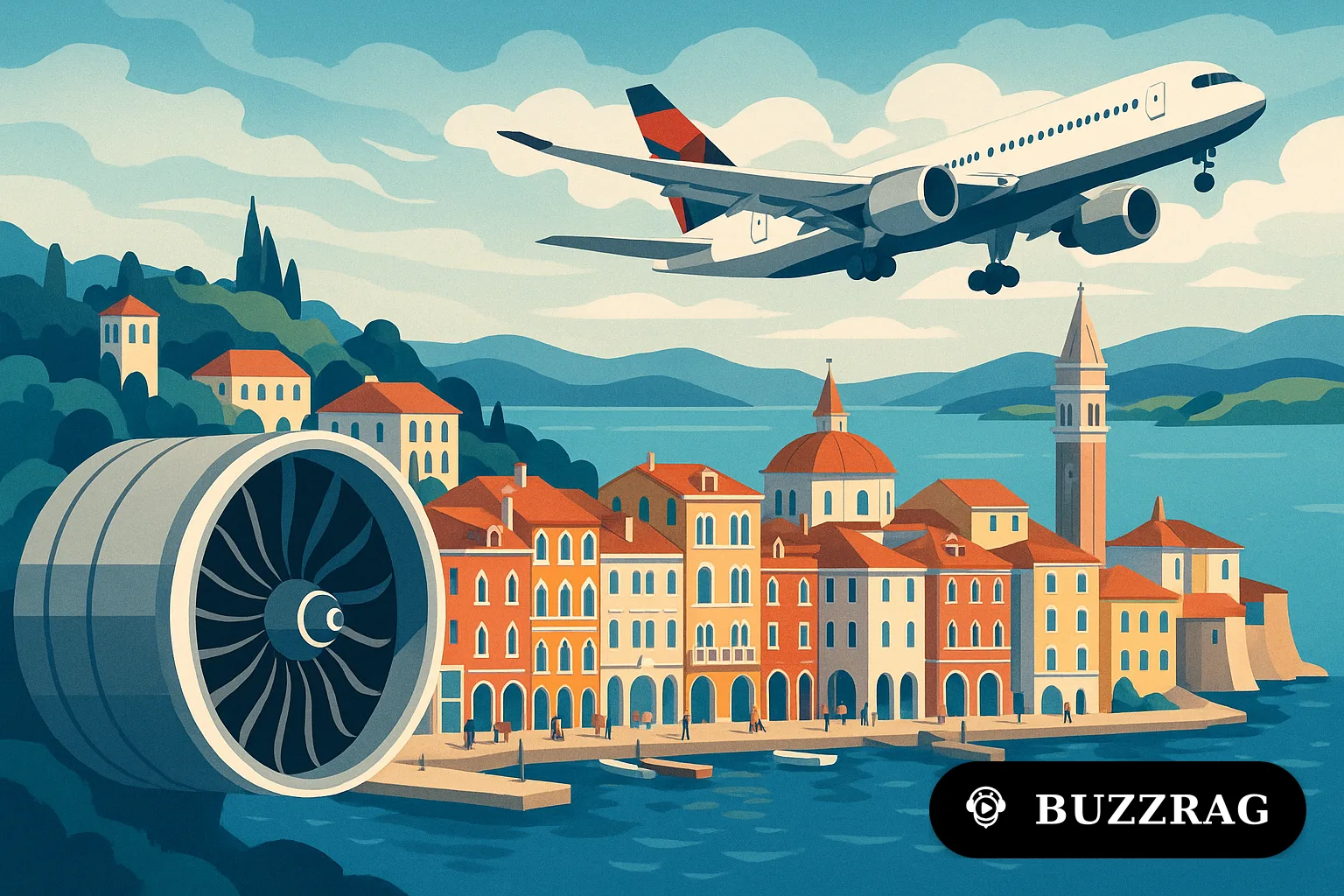
The Slovenian Riviera, despite its modest length, offers a rich tapestry of cultural and natural attractions that are drawing visitors this summer. Nestled along the Adriatic Sea, this area is renowned for its vibrant Venetian towns, unspoilt nature reserves, and a burgeoning culinary scene. The unique blend of historical architecture and pristine landscapes provides a compelling destination for travelers seeking both relaxation and adventure.
Tourism in the region benefits from Slovenia's strategic emphasis on sustainable travel practices. The Riviera's appeal lies in its ability to offer immersive experiences without the overwhelming crowds typical of more famous Mediterranean destinations. From horse riding through the Dragonja valley to savoring local olive oils and wines, visitors are enticed by the authenticity of the experiences on offer.
As Slovenia continues to promote eco-friendly tourism, the Riviera stands as a model for balancing visitor influx with ecological preservation. Observers will be keen to see how the region manages its growth while maintaining its charm, particularly as more travelers seek sustainable and meaningful travel experiences.
GE9X Engine Faces Unprecedented Engineering Hurdles
The GE9X engine, designed to be the most powerful on the market, is encountering engineering challenges that have yet to be fully resolved. Its massive fan, integral to delivering exceptional power, is presenting unique technical issues that engineers are striving to overcome. These complications could have significant implications for the aviation industry, particularly in how future engines are designed and manufactured.
The engineering problems stem from the engine's innovative design, which pushes the boundaries of current technology. Addressing these issues is crucial for maintaining safety standards and ensuring the reliability of aircraft that will use this engine. The GE9X's development highlights the complexities of advancing aviation technology while meeting rigorous performance criteria.
The aviation sector is closely monitoring these developments, as they could influence the pace of innovation in engine technology. Successful resolution of these challenges could set new standards for future advancements, while failures could necessitate a reevaluation of design strategies across the industry.
Delta Air Lines Steers Through Fuel Price Volatility
Delta Air Lines remains confident in meeting its profit outlook for 2026, despite facing significant fuel price increases this year. The airline's ability to navigate these cost pressures is indicative of its strategic planning and operational resilience. Doubling fuel costs present a formidable challenge, yet Delta's focus on efficiency and cost management seems to be mitigating potential financial impacts.
Delta's outlook reflects broader trends within the aviation industry, where airlines are grappling with volatile fuel markets. The carrier's strategies may include optimizing flight operations, securing favorable fuel contracts, and enhancing fuel efficiency technologies. These measures are critical not only for maintaining profitability but also for sustaining competitive advantage in an industry characterized by slim margins.
As the global aviation sector continues to recover from previous disruptions, Delta's performance will serve as a barometer for the industry's ability to adapt to external economic pressures. Observers will watch how Delta and its peers adjust their strategies in response to ongoing volatility in fuel prices and other operational challenges.
Corfu Travel Nightmare: A Case of Misleading Expectations
A holiday in Corfu turned into a series of unfortunate events for one couple, highlighting the importance of clear communication and realistic expectations in travel accommodations. The couple expected a no-frills apartment for their tennis-focused vacation but found themselves in the midst of a construction site. With a dry swimming pool and unusable tennis equipment, their experience underscores the potential pitfalls of budget travel.
Such incidents reveal the gap between marketing promises and reality, a common issue in the travel industry that can severely impact customer satisfaction and loyalty. The couple's ordeal serves as a cautionary tale for travelers to thoroughly research accommodations and for providers to ensure transparency in their offerings.
The travel sector must address these discrepancies to maintain trust and uphold quality standards. As travelers share their experiences more widely on social media, such stories can quickly influence broader perceptions of destinations and service providers, prompting calls for greater accountability.
As we move forward, the travel industry continues to adapt to a complex web of economic, technological, and environmental challenges. Stakeholders will need to remain agile to thrive in an ever-evolving landscape.