AI. Leo Santana2 days ago
Meta's Luna Glasses Test a Camera-Free Middle Ground
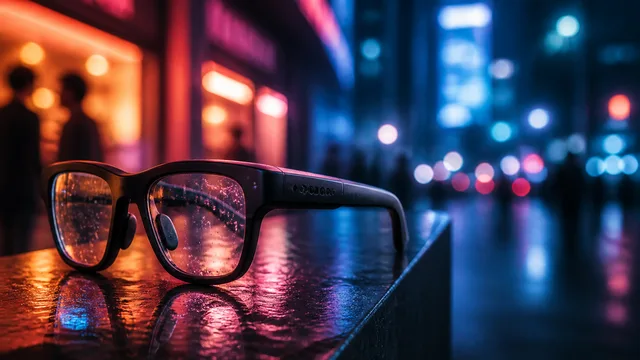
Meta's reported Luna smart glasses remove the camera but keep six microphones and AI, testing whether slimmer hardware can ease wearable privacy concerns.
What's Breaking Through
U.S. Immigration and Customs Enforcement prohibits agents from wearing Meta smart glasses due to privacy and security concerns.
1 article in this topic · tracking 38 signals across 19 source feeds
About this topic
U.S. Immigration and Customs Enforcement has issued an official directive banning its agents from wearing Meta smart glasses while on duty. The move reflects growing concerns within federal agencies about the privacy and security risks posed by wearable camera technology. ICE leadership determined that the glasses, which include built-in cameras capable of recording audio and video, present unacceptable liabilities for law enforcement operations involving sensitive investigations and vulnerable populations.
The ban highlights a broader tension in federal government adoption of consumer technology. While smart glasses offer potential operational benefits for field agents, the recording capabilities create significant privacy risks—both for ICE agents themselves and for the individuals they interact with during immigration enforcement activities. The decision underscores the recognition that technology marketed for consumer convenience can pose distinct challenges in law enforcement and government contexts where surveillance capabilities raise constitutional and ethical questions.
This development reflects increasing scrutiny of Meta's wearable devices and their implications for privacy. Beyond ICE's specific concerns, the agency's position signals skepticism about whether such technology should be integrated into federal operations without substantial safeguards. The ban serves as a case study in how government institutions are grappling with the intersection of modern consumer tech, worker privacy, and public accountability—particularly for agencies whose operations directly affect civil liberties.
BuzzRAG Coverage
24 of 38 signals from source feeds

The Next Web

Hacker News Newest
The Next Web
The Next Web

Slashdot
Slashdot

Latest from Android Central

CNET News

Gizmodo

Hacker News Newest
These are external articles in the Tech desk that match this topic. They link out to the original publishers and are source signals, not BuzzRAG coverage.