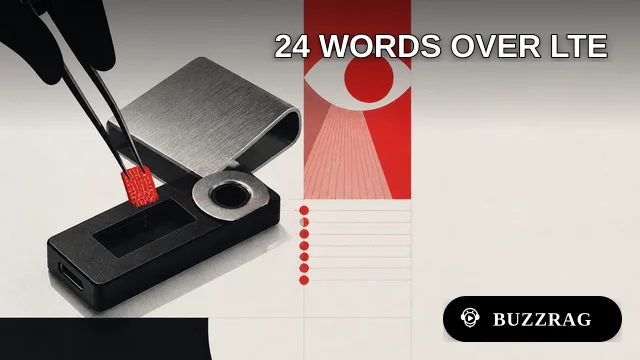
A critical security vulnerability has been discovered in Coldcard hardware wallets, one of the most trusted Bitcoin storage devices on the market. The breach involves compromised recovery seeds—the cryptographic keys that allow users to access and recover their Bitcoin holdings. Multiple reports indicate that attackers exploited a random number generator (RNG) flaw in the wallet's firmware, which weakened the cryptographic security of these seed phrases. This vulnerability allowed threat actors to predict or derive private keys, ultimately gaining unauthorized access to user funds.
The financial impact of this incident is substantial, with reports indicating that between $75 million and $88 million in Bitcoin has been stolen from affected users. The discrepancy in figures likely reflects ongoing investigations and additional victims being discovered as the breach becomes more widely known. Coldcard users who generated their wallet keys on the device during the vulnerable period face the highest risk of compromise. The RNG flaw is particularly concerning because it strikes at the foundation of hardware wallet security—the assumption that cryptographic randomness used to generate keys cannot be predicted or reproduced by external parties.
This incident highlights the critical importance of regular security audits and firmware updates in hardware wallet ecosystems. Coldcard users are being advised to move their funds to new wallets generated with properly functioning random number generation, though for those who have already been victimized, recovery may not be possible. The breach also raises broader questions about hardware wallet manufacturer accountability and the need for independent security verification in a market where users entrust these companies with protecting their most valuable digital assets. As the cryptocurrency security landscape continues to evolve, incidents like this underscore why even devices marketed as having superior security require constant vigilance and verification.