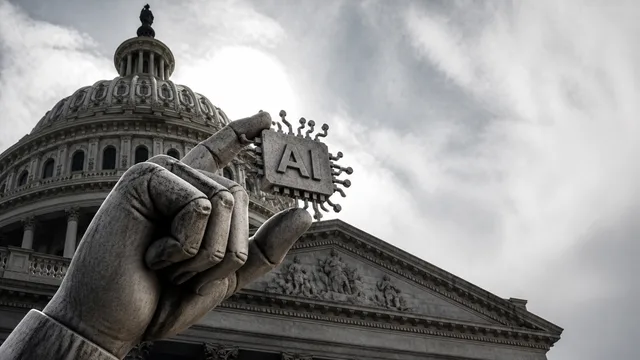
Congress has rapidly embraced ChatGPT as its preferred artificial intelligence tool, marking a significant shift in how lawmakers and their staff approach routine tasks and policy research. Multiple reports indicate that ChatGPT dominates early AI spending on Capitol Hill, with legislators and congressional offices turning to the OpenAI-developed chatbot for drafting documents, analyzing legislation, and conducting research. This widespread adoption reflects both the tool's accessibility and effectiveness, as well as the broader momentum generative AI has gained across government institutions.
The adoption of ChatGPT in Congress has coincided with intensifying debates over AI regulation. As lawmakers increasingly integrate these tools into their daily operations, they face the task of crafting policies to govern the very technology they're actively using. This creates an interesting dynamic: legislators are simultaneously practitioners and potential regulators of AI systems. The proliferation of ChatGPT usage in government offices demonstrates the technology's practical utility, but it also underscores the urgency of establishing clear guidelines around data privacy, security, and responsible deployment of AI tools in sensitive government contexts.
The concentration of AI spending around ChatGPT specifically suggests that when given options, congressional offices gravitate toward established, user-friendly tools rather than experimental alternatives. This preference mirrors broader market trends where OpenAI's platform has captured significant mindshare among early adopters. As Congress continues to leverage these capabilities, the intersection of increased AI usage and evolving regulatory frameworks will likely shape how government institutions approach technology adoption going forward, potentially setting precedents for federal AI policy.