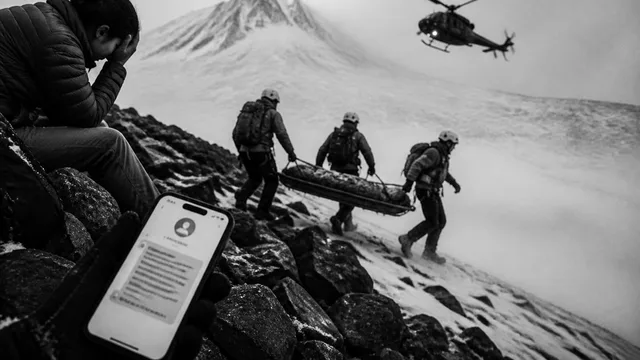
A group of climbers attempting Mount Shasta faced a life-threatening emergency after relying on an AI chatbot to plan their mountaineering expedition. The incident resulted in a rescue operation at 11,000 feet, underscoring a growing concern about the limitations and risks of using large language models for high-stakes decision-making. While AI systems excel at processing and synthesizing information, they can confidently generate plausible-sounding but fundamentally flawed guidance, especially in domains requiring specialized expertise and real-time environmental awareness.
The Mount Shasta rescue has sparked broader conversations about AI literacy and responsible technology use. Mountain climbing involves complex variables including weather patterns, terrain assessment, physical conditioning requirements, and acclimatization protocols—factors that demand expertise developed through experience and professional training. AI chatbots, despite their conversational sophistication, lack ground truth validation and cannot adapt to dynamic conditions on the mountain. They can hallucinate details, miss critical safety considerations, or conflate similar locations with different hazard profiles.
This incident illustrates a critical gap between AI capability and real-world application. As AI tools become more accessible and their outputs more convincing, users increasingly turn to them for planning activities where mistakes carry severe consequences. Safety experts and AI researchers are emphasizing the importance of treating AI as a reference tool rather than an authoritative guide for life-threatening activities. The message is clear: AI chatbots can supplement research and planning, but they cannot replace professional guidance, specialized knowledge, and proper training for high-risk pursuits like mountaineering. The rescue serves as a cautionary tale about the need for human judgment and expert consultation when decisions directly impact personal safety.