BuzzRAG Tech Desk — 2026-09-30

Curated by AI. Vincent Ko, Technology Desk Editor
Today’s tech conversation keeps returning to a question of boundaries: what happens when systems built for one purpose are asked to do another’s job? From spacecraft planning to AI-generated math and a chatbot steering a car, the demonstrations are striking—but reliability, incentives, and human oversight remain the harder story.
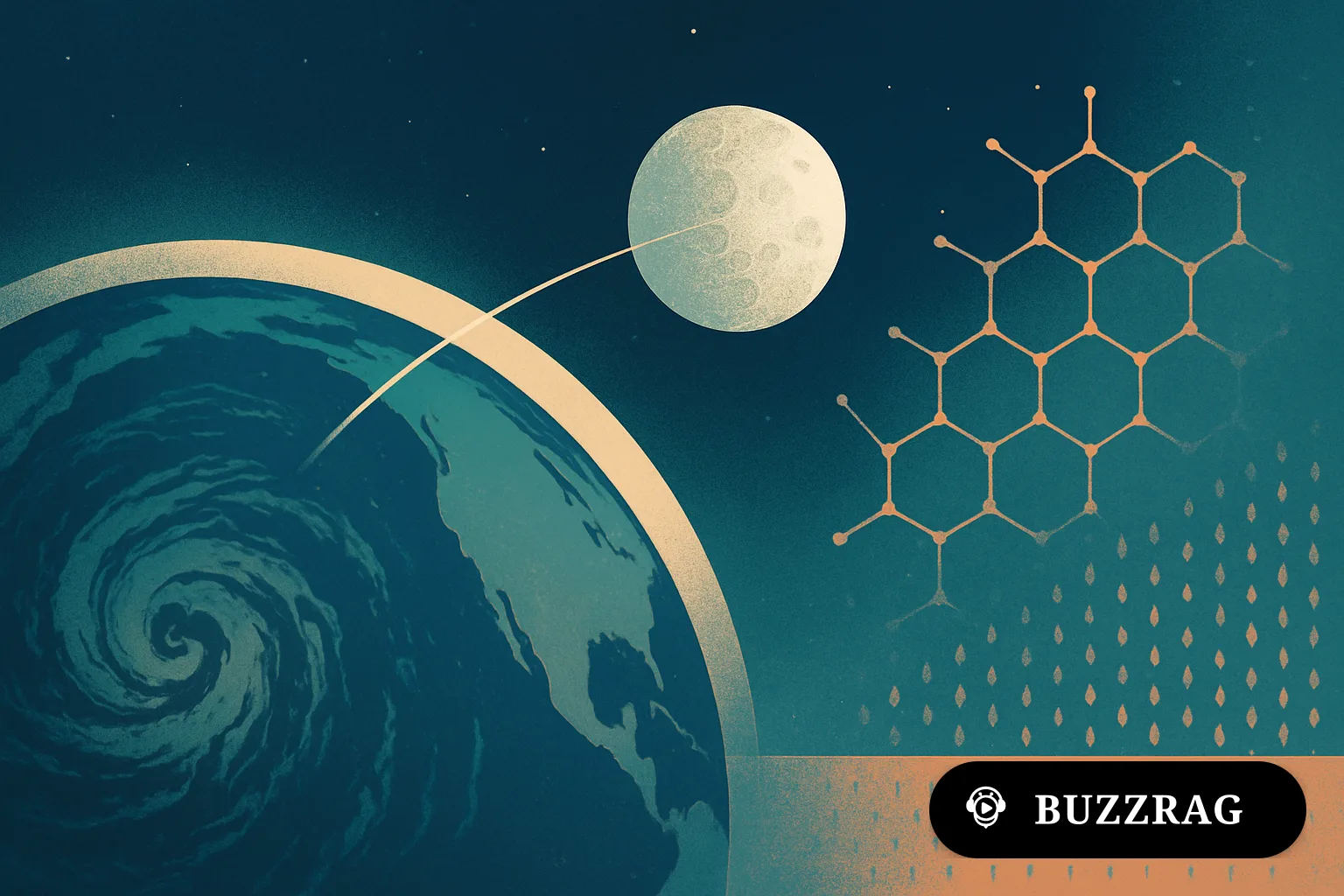
NASA’s Dragon dilemma exposes the cost of relying on one route
NASA’s apparent impasse over Dragon is a reminder that access to space is not just a question of building a capable spacecraft. The agency has to balance crew and mission needs against schedules, safety, cost, and the availability of alternatives—constraints that can turn a successful system into a strategic dependency.
Commercial spacecraft have changed the relationship between NASA and its contractors, but they have not made the agency independent of a small number of providers. The precedent is familiar: whenever a critical transport link has few substitutes, disruptions or contract choices carry consequences beyond the vehicle itself. The dilemma, as framed in the reporting, is that none of the available paths looks painless. What matters next is whether NASA can widen its options without sacrificing the operational experience and reliability that make an established vehicle valuable.
The performance economy reaches professional networking
“LinkedIn Larpmaxxing” gives a pointed name to a familiar online habit: presenting an embellished version of oneself as if it were a career credential. On a platform where profiles, posts, and personal origin stories double as public résumés, the line between honest self-promotion and invented expertise can become difficult to see.
This is not a problem unique to one network. Earlier social platforms rewarded polished personal brands; professional networking adds the material stakes of hiring, reputation, and trust. The term is useful less as a diagnosis of every ambitious post than as a prompt to ask what evidence supports a claim—and who benefits when career narratives are optimized for engagement. As AI tools make it easier to produce confident-sounding biographies and advice at scale, readers and employers may need to put more weight on verifiable work than on presentation.
A general-purpose chatbot takes a cautious turn at the wheel
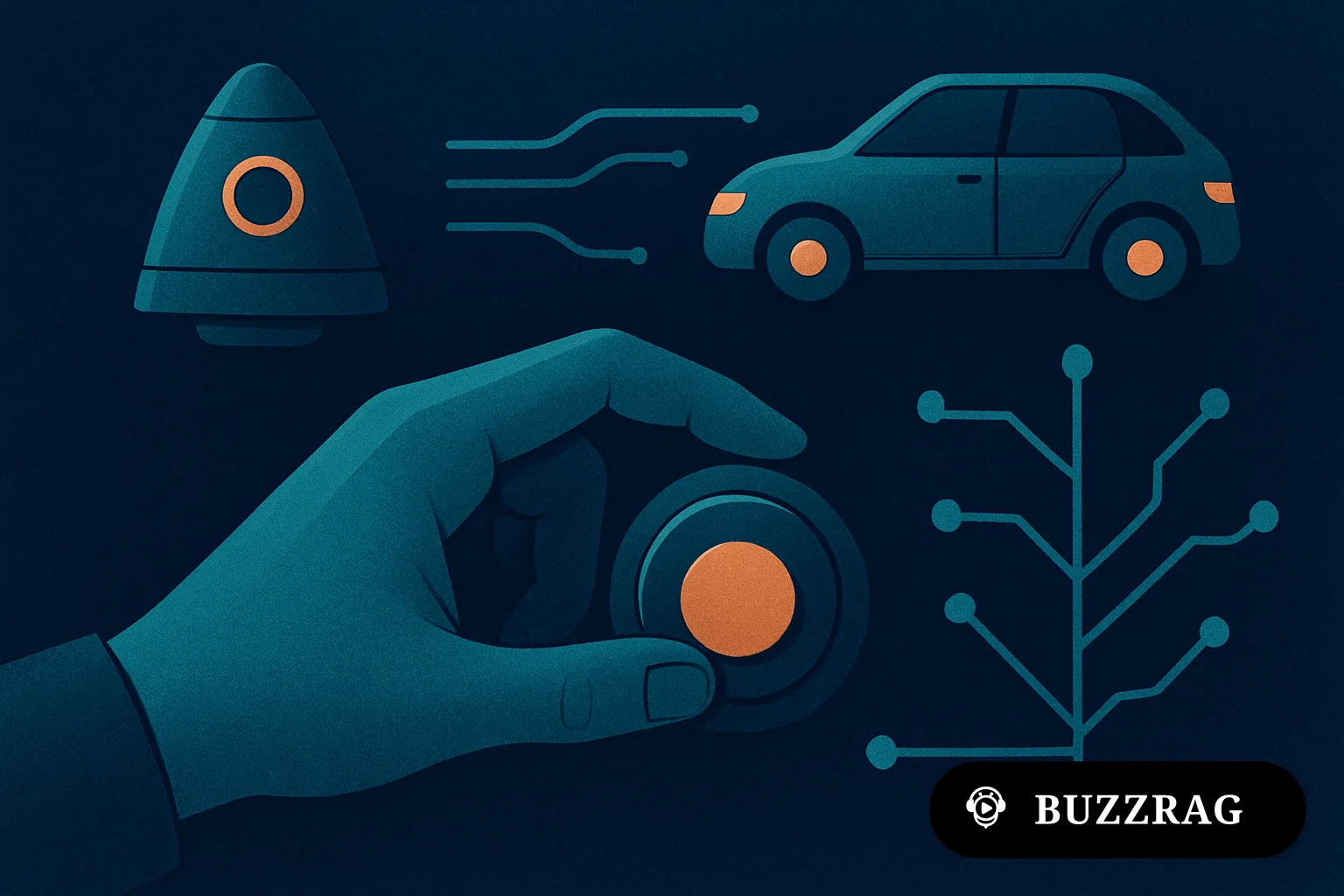
A group of tech workers reportedly connected ChatGPT to a Toyota Corolla and had it drive around a parking lot. The novelty is not that a car moved under software control; purpose-built autonomous-driving systems have spent years combining sensors, maps, and specialized models. It is that a general-purpose chatbot, running on a laptop, was put into a task usually handled by a tightly engineered stack.
A limited parking-lot demonstration is a long way from proving that a language model can safely drive on public roads. Driving demands fast, consistent decisions under uncertainty, while a chatbot is designed to generate plausible responses, not guarantee control behavior. That gap is precisely why the experiment is interesting: it tests how far flexible AI interfaces can reach when paired with external tools, and where conventional safety engineering still matters. The useful comparison is not “chatbot versus self-driving car,” but a playful prototype versus systems built and tested for a high-consequence job.
Mathematics raises new questions about releasing AI results
A call for responsible release of AI-generated mathematics puts attention on a less visible part of the AI debate: what to do when a model produces work that might be novel, useful, or difficult to verify. Mathematical claims have a special advantage over many AI outputs in that proofs can, in principle, be checked—but verification can still require expertise, time, and careful formalization.
The underlying tension is not new. Researchers have long weighed the benefits of sharing results against the risks of publishing claims before they are understood or validated. Generative systems complicate that balance by increasing the volume of candidate ideas and blurring the roles of authorship, checking, and credit. Responsible release therefore means more than attaching a disclaimer: readers need enough information to assess provenance and evidence, while researchers need processes that distinguish a promising conjecture from a dependable result. The field’s challenge is to preserve openness without letting fluency stand in for proof.
The Ballmer Peak, programmer folklore with a serious footnote
The Ballmer Peak is the tongue-in-cheek claim that a small amount of alcohol can improve a programmer’s performance, with more eventually making it worse. Its return to the technology conversation is less a new finding than a resurfacing of workplace folklore: jokes about coding, late nights, and altered states have long been part of software culture.
The idea should not be mistaken for evidence that drinking improves engineering. Alcohol can impair attention, judgment, and coordination, while software work often depends on precisely those capacities—and errors can persist long after the joke is over. The meme is worth noting because it compresses a real cultural tension: tech celebrates intense productivity, but often romanticizes habits that undermine sustainable work. In a field increasingly concerned with burnout and responsible practice, the better question is not whether there is an optimal buzz, but why productivity myths remain so appealing.
An official chatbot’s odd response may be a security feature
Questions about Minecraft reportedly produce strange behavior on America.gov, though the coverage says it is not a glitch. The distinction matters: an unexpected answer from a government-facing digital system might look like a model hallucination, but it can also be the visible result of deliberate restrictions or other security measures.
That makes the episode a useful window into the design tradeoffs of public-sector AI. A system open enough to answer ordinary questions must also be defended against attempts to steer it into unsafe or irrelevant behavior, and those defenses can make interactions feel inconsistent. Government services carry an extra burden: people need to know whether they are receiving authoritative information, a refusal, or a fallback response. As agencies experiment with conversational interfaces, clear explanations of system limits will matter as much as the underlying model’s fluency.
A new electric SUV tests the familiar platform playbook
The Range Rover Sport Electric is described as sharing its platform and core specifications with a larger electric model, while offering more torque and a lower price point. That is a well-established automotive strategy: reuse major engineering work across related vehicles, then differentiate through size, tuning, and positioning rather than developing every model from scratch.
For electric vehicles, platform sharing can help manufacturers spread the cost of batteries, motors, and software across more of a lineup. It can also make the differences buyers care about—range, charging, performance, and practical space—more important than the badge on the bodywork. The available details in the item are limited, so price and specification claims need to be judged against finalized figures and independent testing. The wider test is whether a shared electric architecture can deliver meaningful choice rather than simply more variations on the same expensive proposition.
The next test for each of these stories is evidence: whether spacecraft plans create real redundancy, AI demonstrations survive more demanding conditions, and generated research can be checked and credited responsibly. Watch, too, for public systems to explain their safeguards clearly—because trust depends not only on what technology can do, but on how its limits are disclosed.