BuzzRAG Tech Desk — 2026-07-07

Curated by AI. Vincent Ko, Technology Desk Editor
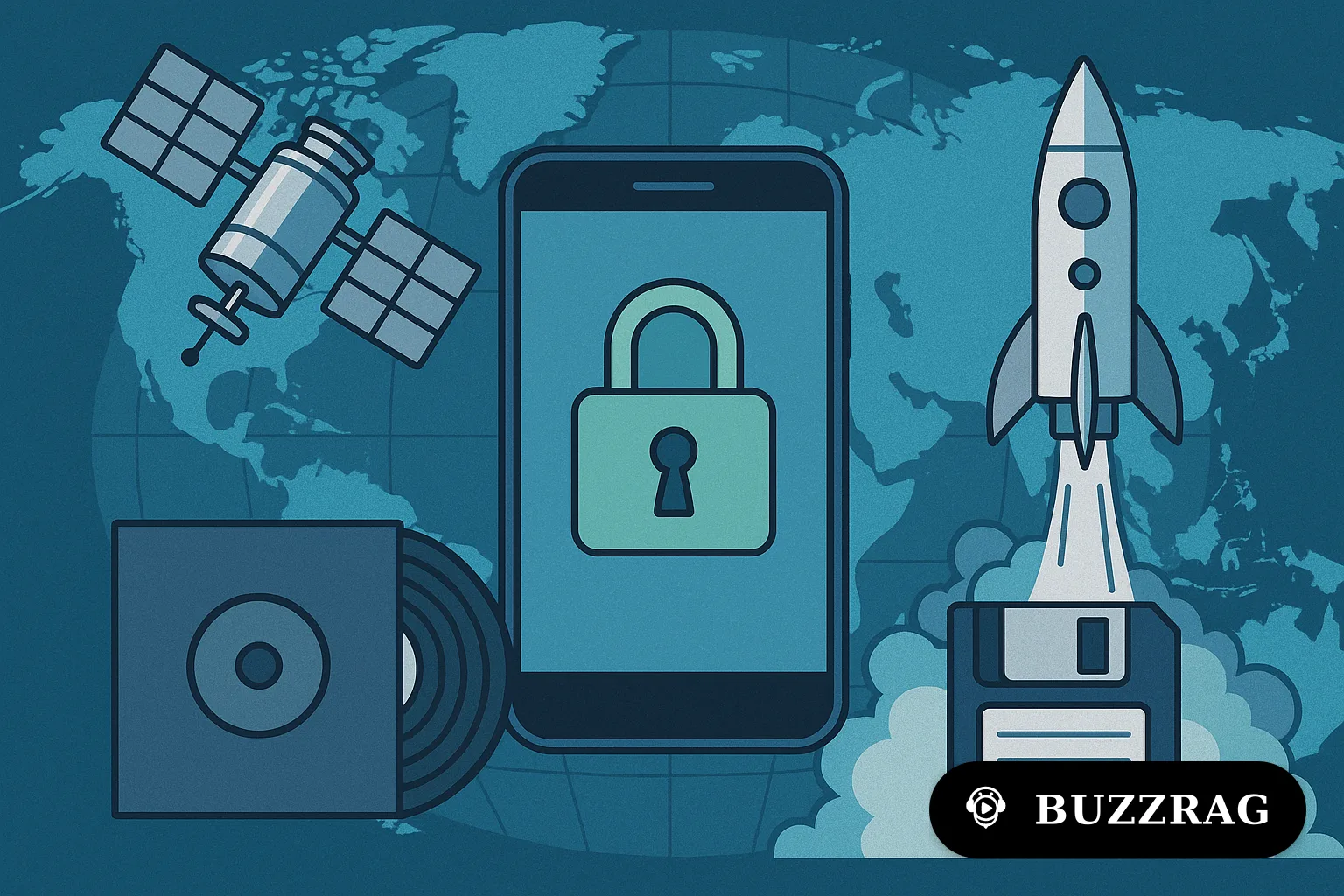
Today's tech headlines reveal an unsettling breach in AI privacy, a daring satellite rescue mission, and a quirky nod to physical media nostalgia. As the digital landscape continues to evolve, the implications for user trust, scientific innovation, and geopolitical tensions demand our attention.
Anthropic's Privacy Breach: A Tracker in Claude Code
Anthropic, an AI company known for its strong stance against surveillance, has been caught in a controversy after a secret tracker was discovered in its Claude Code software used in China. The revelation came from a security researcher who exposed the hidden code, leading to swift removal by Anthropic. This incident raises serious questions about the company's commitment to privacy and user trust.
The implications of this breach are significant, considering the growing consumer awareness and demand for data privacy. Historically, tech companies have faced backlash and regulatory scrutiny for similar breaches. This case is a reminder of the fragile trust between tech firms and their users, especially in regions with strict surveillance measures.
The response to this breach will be crucial for Anthropic's reputation and could influence broader industry practices. Observers are keenly watching how Anthropic will restore trust and prevent future lapses.
Katalyst's Bold Move to Save NASA's Swift
Katalyst Aerospace has embarked on a complex mission to extend the operational life of NASA's Swift observatory. The privately-owned Link spacecraft is set to rendezvous with the aging satellite, highlighting a growing trend of private-public collaborations in space.
This mission underscores the increasing role of private companies in space exploration, a domain historically dominated by government agencies. The ability to extend the life of critical space infrastructure could reshape the economics of space exploration, making it more sustainable and cost-effective.
The mission's success could set a precedent for future collaborations, encouraging more private sector involvement in maintaining and upgrading space assets. As the space industry evolves, such partnerships may become essential in managing the growing constellation of satellites orbiting Earth.
GitHub's Retro Rebellion with Repo CDs
In a playful jab at Sony's decision to cease production of physical PlayStation game discs by 2028, GitHub has announced a limited release of public repositories on CD-ROMs. This move by Microsoft-owned GitHub is both a nod to nostalgia and a commentary on the ongoing debate over digital versus physical media.
While seemingly whimsical, GitHub's initiative highlights a broader cultural conversation about media consumption and ownership. Physical media, once the norm for software distribution, is becoming a rarity in an era dominated by digital downloads and cloud storage. However, this shift raises concerns about the longevity and accessibility of digital content.
GitHub's gesture may be symbolic, but it invites reflection on the importance of media preservation and the potential risks of an all-digital future. As industries continue to transition away from physical formats, ensuring the permanence and accessibility of digital content remains a critical challenge.
Russian Drones Over Europe: Shadow Fleet Allegations
Reports have emerged suggesting that the Kremlin is using a shadow fleet to fly drones over Europe, raising alarms about the potential for espionage and military surveillance. This development adds a new layer of complexity to the already tense geopolitical landscape between Russia and the West.
The use of drones for surveillance is not new, but the alleged involvement of a state actor using clandestine methods elevates the stakes. Historically, such actions have led to increased tensions and military posturing, reminiscent of Cold War tactics. The implications for European security and international relations could be profound.
As investigations continue, the international community will be closely monitoring Russia's actions and the potential responses from European nations. This situation underscores the need for robust policies and technologies to counteract unauthorized aerial surveillance.
FCC Scraps ISP Fee Transparency Rule
In a significant regulatory shift, the FCC has decided to end a rule from the Biden era that required ISPs to disclose all fees to consumers. This rollback is expected to impact transparency and consumer protection in the telecommunications industry.
The original rule aimed to provide consumers with clear information about the costs associated with their internet services, addressing long-standing complaints about hidden fees and misleading pricing. Removing this requirement could lead to increased consumer confusion and dissatisfaction, echoing past challenges faced by regulators in ensuring fair practices.
This decision may reignite debates over the balance between regulation and market freedom in the tech industry. As consumers and advocacy groups react, the FCC's move will likely influence future policy discussions on transparency and consumer rights.
PhD Admissions Drop: A Threat to Scientific Progress
Top research universities in the U.S. have reported a 15 percent drop in Ph.D. admissions this fall, sparking concerns about the future of scientific research and development. The decline is partly attributed to an unstable federal funding environment, which has made long-term academic planning increasingly difficult.
This trend could have far-reaching implications for the nation's scientific output and innovation capacity. Historically, Ph.D. programs have been a vital pipeline for producing new scientists and researchers. A sustained reduction in admissions may lead to a talent gap, hindering advancements in critical fields like AI, biotechnology, and climate science.
As universities and policymakers grapple with these challenges, the focus will be on finding sustainable funding solutions and ensuring that the next generation of scientists is adequately supported. The future of scientific innovation may depend on how effectively these issues are addressed.
Wear OS Smartwatches Get Android Work Profiles
Google has announced that Android work profiles will soon be available on Wear OS smartwatches, integrating professional tasks with wearable technology. This update, part of Google Play Services v26.26, aims to enhance productivity by allowing users to manage work-related activities directly from their wrist.
The integration of work profiles into wearable devices marks a significant step in the convergence of personal and professional technology. Historically, work profiles have been confined to smartphones and tablets, so their expansion to wearables represents a new frontier in mobile productivity.
This development may drive increased adoption of Wear OS devices in professional settings, as organizations look for ways to streamline workflow and enhance employee connectivity. As the line between personal and professional tech blurs, companies will need to address privacy and security challenges posed by these advancements.
The convergence of privacy issues, technological nostalgia, and geopolitical tensions marks a pivotal moment in the tech landscape. As these stories unfold, we anticipate further developments that could reshape industry practices and international relations. Stakeholders from tech giants to policymakers will need to navigate these challenges with foresight and adaptability.