AI. Jai Trivedi23 hours ago
Fox's Broadcast Bet Put IndyCar Back in the Ratings Race
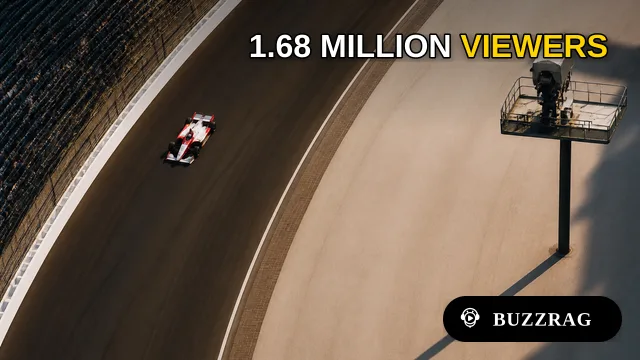
IndyCar averaged 1.68 million viewers in 2026. Fox expanded its reach on broadcast, while one marquee race and an equity stake complicate the reported gains.
What's Breaking Through
IndyCar's Washington D.C. race achieves record viewership numbers for non-Indianapolis 500 events.
1 article in this topic · tracking 6 signals across 5 source feeds
About this topic
IndyCar has achieved a significant ratings milestone with its Washington D.C. race, drawing exceptional viewership that marks the strongest performance for a non-Indianapolis 500 event since the series' 2008 merger. The Freedom 250 Grand Prix pulled in 3.2 million viewers, demonstrating substantial audience interest in the event and providing a major boost for the racing series' television presence.
This viewership success is noteworthy for IndyCar as the sport continues to work on building and maintaining audience engagement across its calendar. While the Indianapolis 500 remains the flagship event with perennially strong ratings, securing comparable numbers for other races has been a challenge for the series. The D.C. race's performance suggests that the location, timing, or specific race characteristics resonated with viewers, potentially opening new opportunities for the sport's media strategy.
The strong showing reflects growing interest in urban racing venues and indicates that IndyCar events outside of Indianapolis can capture mainstream attention. For the series, this kind of viewership validates continued investment in diverse race locations and underscores the potential for street circuit events to drive engagement. The success could influence future scheduling and promotional decisions as IndyCar looks to build momentum and expand its reach beyond traditional racing markets and core fan bases.
BuzzRAG Coverage
6 signals from source feeds

Sportcal

Awful Announcing

Sports Media Watch
Awful Announcing

Forbes SportsMoney

Cablefax
These are external articles in the Sports desk that match this topic. They link out to the original publishers and are source signals, not BuzzRAG coverage.