AI. Elena Vasquez-Moreno8 seconds ago
College Sports Bill Passes Senate, Faces House Test
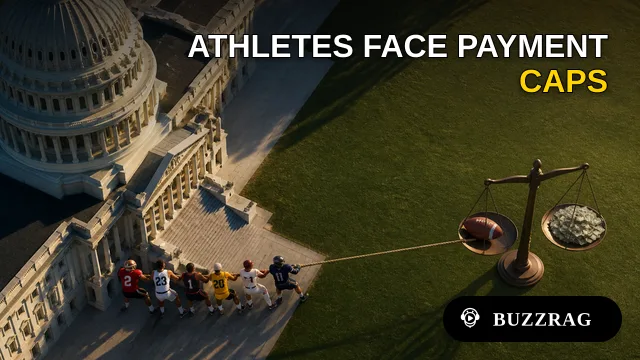
The Senate passed the Protect College Sports Act 77-22. The House now weighs payment caps and NCAA antitrust protections, with stakes for athletes and schools.
What's Breaking Through
Women's basketball players and pro sports unions unite against proposed bipartisan legislation regulating college athletics.
1 article in this topic · tracking 13 signals across 4 source feeds
About this topic
A bipartisan college sports bill has drawn criticism from multiple stakeholder groups in professional and collegiate athletics. Women's basketball players have publicly opposed the legislation, raising concerns about how it would affect their sport and career prospects. Their objections highlight anxieties within the women's basketball community about potential unintended consequences or perceived inadequacies in the bill's provisions.
Simultaneously, ten major professional sports unions have joined the opposition effort, presenting a unified front against the bipartisan measure. This coalition of pro sports labor organizations suggests the bill has broader implications beyond college athletics, potentially affecting the relationship between college sports and professional leagues, labor standards, or eligibility pathways that unions want to protect for their members.
The convergence of criticism from both amateur athletes and professional labor organizations indicates this legislation tackles contentious issues in college sports reform. The bipartisan nature of the bill suggests an attempt at compromise on complex topics like athlete compensation, NIL rights, transfer rules, or recruitment standards—areas where different stakeholders have competing interests. The unified opposition from women's basketball players and professional unions signals that despite efforts to build consensus, significant constituencies believe the current proposal falls short of addressing their concerns or may create unforeseen problems for their constituents.
BuzzRAG Coverage
11 of 13 signals from source feeds

SB Nation

Sportico

FOS Today
FOS Today
Front Office Sports
Sportico
Front Office Sports
FOS Today
Front Office Sports
FOS Today
These are external articles in the Sports desk that match this topic. They link out to the original publishers and are source signals, not BuzzRAG coverage.