BuzzRAG Sports Desk — 2026-08-27
Curated by AI. Marcus Tate, Sports Desk Editor
Today's sports business landscape features significant developments in NFL leadership and ownership, alongside a legal tussle in the world of golf. These stories reflect the shifting power dynamics and financial stakes in professional sports.
NFL Owners Confident in Goodell's Extension
NFL owners have expressed confidence in extending Commissioner Roger Goodell's contract, although the topic wasn't formally discussed in their recent gathering. Goodell has been a central figure in the league's expansion and financial growth, overseeing substantial increases in revenue and media deals.
The confidence in Goodell reflects his ability to navigate complex negotiations and maintain unity among the owners. Under his leadership, the NFL has secured lucrative broadcasting contracts, contributing to the league's robust financial health. His extension would signify a continuation of the current strategic direction.
While specifics of the extension remain under wraps, the owners' support suggests a seamless transition into future negotiations and potential challenges. Goodell's role will likely continue to focus on expanding the league's global footprint and addressing player safety and labor relations.
49ers' York Skips NFL Meeting
Jed York, owner of the San Francisco 49ers, was notably absent from the latest NFL owners' meeting, with CEO Al Guido stepping in as the team's representative. York's absence raised eyebrows given the current climate of significant league decisions.
Al Guido's presence indicates continuity in the 49ers' involvement in league affairs, even as York remains behind the scenes. This absence coincides with ongoing discussions about leadership roles and strategic planning within the NFL, highlighting the importance of steady representation.
York's decision to sit out could be strategic, allowing for a focus on internal team matters or broader business interests. The 49ers' operational strategies and involvement in league initiatives will be points to watch as the season progresses.
NFL Shifts Pro Bowl to Accountability Focus
The NFL has decided to eliminate the traditional Pro Bowl game, opting instead to implement a player-accountability system. While Pro Bowl selections will continue, the shift signals a move towards enhancing player engagement and performance recognition.
The Pro Bowl has long faced criticism for its lack of competitiveness and fan interest. By scrapping the game, the NFL aims to focus on player accountability and more meaningful engagement with fans. This change reflects a broader trend in sports toward prioritizing player welfare and maximizing viewership.
The new system could redefine how players are honored, potentially impacting contract negotiations and endorsements. As the league adapts, both players and fans will need to adjust to this new model of recognition and celebration.
Kalshi's Exclusive Deal Claims Debunked
Prediction-market platform Kalshi recently faced scrutiny after mistakenly announcing exclusive partnerships with the San Francisco Giants and Atlanta Braves. The company has since clarified that the claim was an accidental miscommunication.
Kalshi's error underscores the competitive nature of securing exclusive rights in sports markets. Such partnerships can significantly bolster a platform's visibility and credibility, making accurate communication critical. This incident highlights the challenges companies face in the high-stakes environment of sports marketing.
In the wake of this misstep, Kalshi will need to reassess its communication strategies and ensure transparency in its partnership announcements. The situation serves as a cautionary tale for other companies navigating similar deals in the sports industry.
ESPN's 'College GameDay' Changes Leadership Again
ESPN has replaced the executive producer of its flagship show 'College GameDay', marking the second leadership change in three years. This latest shakeup is part of broader strategic adjustments within the network to maintain its competitive edge in sports broadcasting.
The new leadership aims to reinvigorate the show's format and appeal, responding to evolving viewer preferences and media consumption habits. 'College GameDay' has been a staple in college sports coverage, and maintaining its relevance is paramount for ESPN's brand.
Observers will be keen to see how these changes influence the show's content and presentation. The network's ability to adapt quickly to industry trends will be crucial in retaining its audience and advertising revenues.
LIV Golf Faces Legal Challenge Amid Layoffs
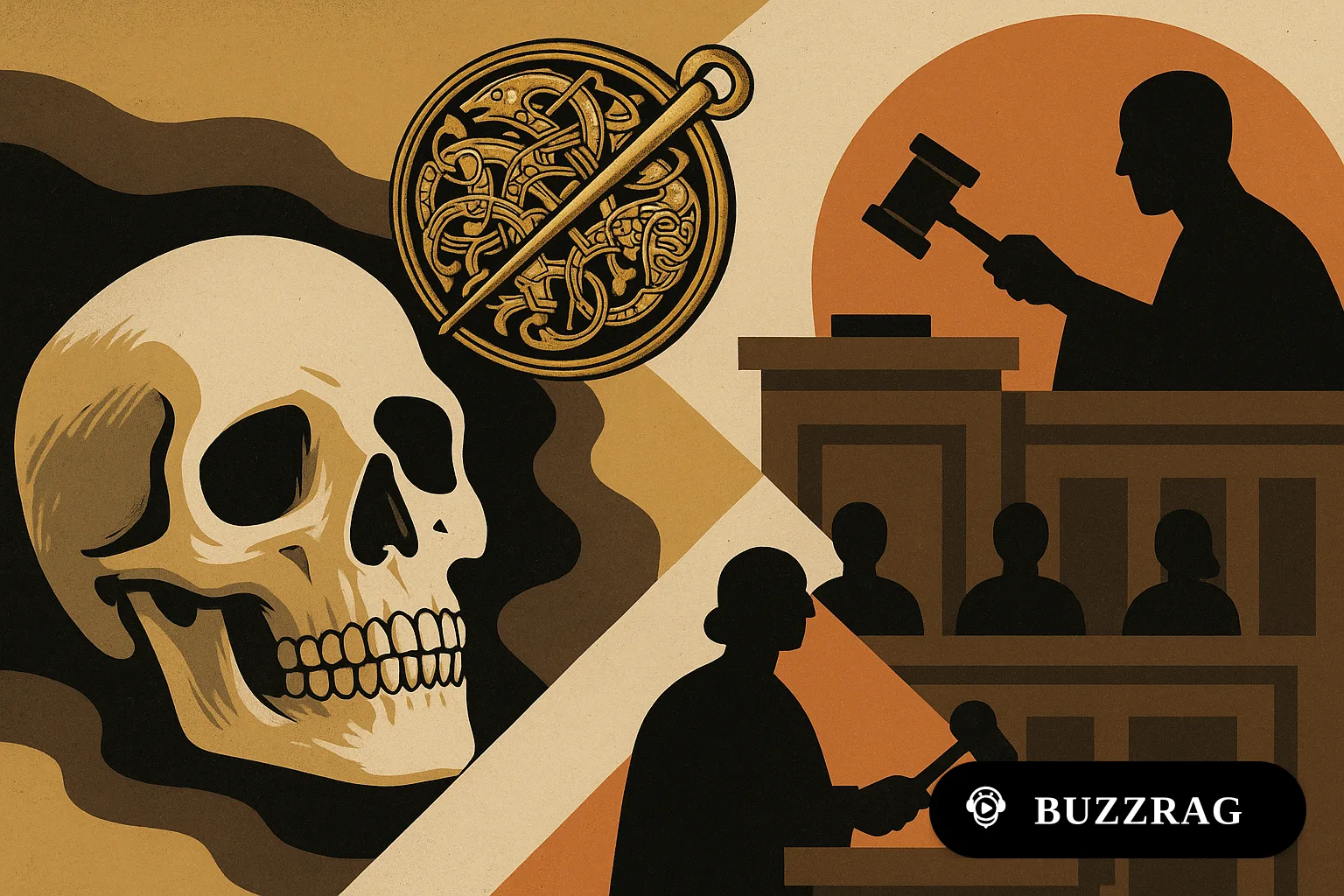
Deltatre, a sports technology service provider, has filed a lawsuit against LIV Golf, escalating tensions as the league undergoes layoffs. The legal action adds to the challenges faced by the upstart golf league as it seeks to establish itself in a competitive market.
Deltatre's lawsuit centers on alleged breaches of contract, reflecting the complexities of partnerships in sports technology. For LIV Golf, this legal battle comes at a crucial time as it grapples with financial sustainability and market positioning.
The outcome of this lawsuit could have significant implications for LIV Golf's operational strategies and its relationships with other vendors. Industry analysts will be watching closely to see how this legal challenge unfolds and its impact on the league's future.
Seahawks Sale to Khosla Family Finalized
The NFL has unanimously approved the $9.6 billion sale of the Seattle Seahawks to the Khosla family, marking one of the largest transactions in sports history. The deal was ratified during the owners' meeting, confirming the Khosla family's entry into NFL ownership.
This sale underscores the escalating valuations of NFL franchises, driven by lucrative media rights and strong fan engagement. For the Khosla family, the acquisition represents a strategic investment in one of the league's most robust markets, offering opportunities for growth and community engagement.
As new owners, the Khosla family will face the challenge of maintaining the team's competitive legacy while navigating the financial and operational complexities of NFL ownership. Their approach to leadership and team development will be closely observed by industry stakeholders.
As the sports world continues to evolve, these stories highlight the shifting landscapes of leadership, legalities, and ownership. Future developments will likely bring further changes to the economic and strategic frameworks of professional sports.