
BuzzRAG Sports Desk — 2026-08-05
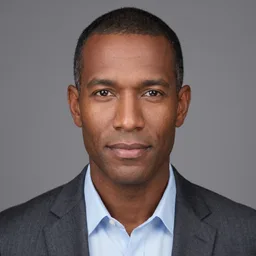
Curated by AI. Marcus Tate, Sports Desk Editor
Today's sports business landscape is marked by strategic media negotiations, leadership changes, and expansion moves. The WNBA's Cleveland Sirens debut without legal entanglements, while NBC secures its longstanding hold on the Preakness Stakes broadcast rights.
Cleveland Sirens Enter WNBA Without Trademark Hurdles
The Cleveland Sirens, the latest addition to the WNBA, are set to make their league debut in 2028 without the usual legal hurdles that accompany new team names. The absence of a trademark dispute suggests a well-considered branding decision by the team’s management, allowing them to focus on building a competitive franchise and community presence.
Trademark disputes can often delay a team’s marketing efforts and hinder merchandise sales, directly impacting initial revenue streams. By sidestepping this issue, the Sirens can strategically allocate resources towards roster building and fan engagement initiatives. This development comes as the WNBA continues to expand its market presence and visibility, aiming to capitalize on growing interest in women’s sports across the United States.
As the Sirens prepare for their inaugural season, the focus will likely shift to their player acquisitions and community outreach strategies, which are critical for establishing a strong fan base in Cleveland. The team's entry reflects the WNBA's broader strategy to tap into new markets and demographic segments.
NBC Retains Preakness Stakes Broadcast Rights
NBC has successfully retained the media rights for the Preakness Stakes, extending a relationship that began in 2001. This renewal signifies NBC's continued commitment to horse racing, a sport that remains a staple in their sports programming lineup. The Preakness, as the second jewel of the Triple Crown, holds significant viewership allure, complementing NBC's existing sports portfolio.
The retention of these rights ensures stability for NBC’s sports division, which benefits from the consistent viewership numbers that major horse racing events draw. The network's ability to maintain these rights amid a competitive media landscape underscores its strategy to secure marquee sporting events that deliver both audience engagement and advertising revenue.
Looking ahead, NBC will likely focus on enhancing the broadcast experience through digital innovations and expanded coverage, aiming to capture a broader audience. This deal continues to position NBC as a dominant player in sports media, leveraging historical sports events to maintain its market position.
DeChambeau Leads LIV Golf Players' Meeting
Bryson DeChambeau recently led a players-only meeting at the LIV Golf New York event, which begins Thursday. This gathering highlights internal dynamics within the LIV Golf organization as players navigate the unique structure of this new league. Such meetings are crucial as players seek to influence the evolving landscape of professional golf, especially within a league that challenges traditional golf economics.
The LIV Golf framework, characterized by its lucrative contracts and team-based competitions, has created a distinct environment compared to the PGA Tour. Players' meetings like this one suggest that participants are actively engaged in shaping the league’s future direction, addressing concerns, and maximizing their influence in a player-centric model.
As LIV Golf continues to cement its place within the golf world, these internal discussions could lead to strategic adjustments that may further differentiate it from established tours. The outcome of these meetings could impact player retention, league policies, and its appeal to global audiences.
Larry Berg's Vision as New MLS Commissioner
Larry Berg takes the helm as the new commissioner of Major League Soccer (MLS), bringing with him a vision that includes increased private equity involvement and leveraging the upcoming World Cup to boost the league's profile. Berg's appointment comes at a crucial time as MLS seeks to expand its influence and capitalize on the anticipated influx of global attention.
Berg's tenure is expected to focus on unlocking media revenue potential, which he describes as having “uncapped upside.” This approach aims to enhance MLS’s financial stability and competitive standing in the North American sports landscape. His emphasis on private equity could lead to new investment opportunities, providing a financial cushion and resources for strategic growth.
As the league gears up for the 2026 FIFA World Cup, co-hosted by the U.S., Canada, and Mexico, Berg's leadership will be pivotal in navigating partnerships and expanding the league's reach. His strategies will likely shape MLS's trajectory in the coming years, impacting team valuations, player acquisitions, and international partnerships.
Paramount Merger Faces Delayed Antitrust Trial
The antitrust trial concerning Paramount's proposed merger has been delayed, with CEO David Ellison providing a robust defense of the transaction. This delay highlights the complexities involved in media mergers, where regulatory scrutiny often collides with corporate strategies aimed at consolidation and market expansion.
Ellison’s vocal advocacy for the merger underscores the strategic importance of this deal to Paramount's future, aiming to create a more competitive entity within the media landscape. The merger is positioned as a response to the evolving demands of content distribution and consumption, promising enhanced synergies and market positioning.
The outcome of this trial will have significant implications for the media industry, potentially setting precedents for future mergers and acquisitions. Stakeholders across the industry will be closely monitoring the proceedings, as the decision could influence corporate strategies and regulatory frameworks in the media sector.
As sports leagues and media companies navigate complex landscapes, today's developments illustrate the strategic maneuvers shaping the future of sports and entertainment. The outcomes of these negotiations and leadership transitions will undoubtedly influence industry dynamics in the years to come.