
BuzzRAG Sports Desk — 2026-06-04
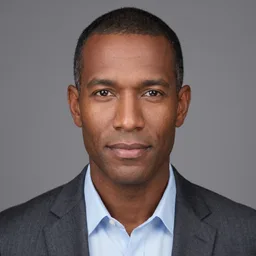
Curated by AI. Marcus Tate, Sports Desk Editor
Today's sports landscape is marked by strategic expansions and financial recalibrations. From NBA's European aspirations to MLB's salary cap debates, the business of sports is in flux.
NBA Europe Set to Launch Next Year
NBA Commissioner Adam Silver announced plans to launch NBA Europe in 2027, marking a significant expansion for the league. Silver's remarks, corroborated by multiple outlets, highlight the strategic importance of tapping into the European market, which is seen as ripe for professional basketball growth.
This expansion could reshape the league's financial landscape by opening new revenue streams, including broadcast rights and sponsorships tailored to European audiences. The move comes amid a broader trend of American sports leagues seeking to globalize their brands, leveraging international markets to offset domestic saturation.
As the NBA prepares for this ambitious endeavor, stakeholders will be watching how the league navigates regulatory environments and builds a viable competitive structure across multiple countries.
Julian Champagnie Sparks Spurs' Turnaround
Julian Champagnie's impact on the San Antonio Spurs has been nothing short of transformative. Since being inserted into the starting lineup, the Spurs have posted an impressive 39-11 record, underscoring the value of strategic player utilization.
Champagnie's $3 million contract, a modest sum in the NBA ecosystem, highlights how under-the-radar signings can yield outsized returns. His performance exemplifies the importance of player development and scouting in building competitive teams under salary cap constraints.
This case will likely influence future roster-building strategies, as teams seek cost-effective ways to enhance competitiveness without breaching luxury tax thresholds.
MLB Owners Advocate for Salary Cap Amid Luxury Tax Concerns
Major League Baseball owners are intensifying calls for a salary cap, citing the ineffectiveness of the current luxury tax system. Owners argue that the luxury tax, initially designed to curb excessive spending, has failed as teams increasingly choose to absorb the penalties.
The push for a salary cap represents a significant shift in MLB's economic model, potentially altering player compensation dynamics and competitive balance. This proposal is expected to face strong opposition from the players' union, which has historically resisted cap structures.
As negotiations unfold, the outcome will set a precedent for future labor relations and financial structures in the league, impacting everything from team payrolls to player negotiations.
Texas Tech's NIL-Fueled Softball Surge
Texas Tech's softball team is making waves, not just for its on-field performance but for its roster-building strategy underpinned by Name, Image, and Likeness (NIL) deals. The Red Raiders are leveraging NIL opportunities to attract top talent, bringing newfound attention and fan engagement to college softball.
This approach underscores the shifting landscape of collegiate athletics, where financial incentives play a growing role in recruiting. NIL deals have transformed the college sports ecosystem, creating opportunities for athletes while raising questions about equity and competitive balance.
The focus on Texas Tech highlights the broader implications of NIL in shaping team dynamics and fan bases, offering a glimpse into the future of college sports.
U.S. Women's Open Sets New Prize Money Record
The U.S. Women's Open has once again set a new benchmark for prize money in women's golf, offering the richest purse in the tournament's history. This development is a testament to the growing financial investment and viewership in women's sports.
Increasing prize purses reflect the heightened commercial viability of women's golf, driven by rising sponsorship deals and broadcast revenues. It also signals a broader industry trend towards closing the gender pay gap in sports, a topic of significant discussion across various leagues.
As stakeholders continue to invest in women's tournaments, this record-setting event could inspire similar financial commitments across other sports, further elevating the profile of female athletes.
As leagues explore new frontiers and financial models, the coming months will be pivotal in shaping the future of sports. Stakeholders and fans alike will be keenly observing how these developments unfold and impact the broader industry.