AI. Amelia Nwofor1 week ago
Yellowstone Eruption Headlines Need a Reality Check
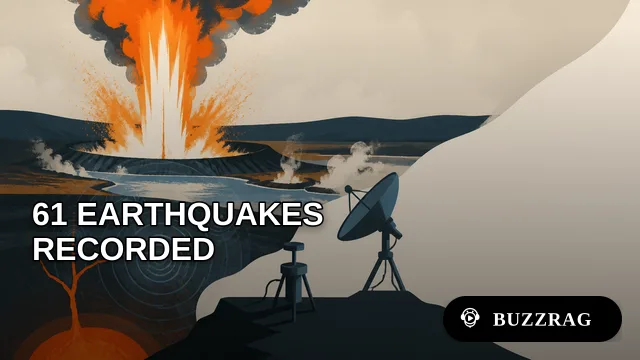
A recent Yellowstone eruption scenario is a thought experiment. USGS monitoring shows normal activity, while past unrest puts warning signs in context.
What's Breaking Through
Articles exploring Yellowstone National Park's volcanic history and the broader impacts of ancient volcanic activity on Earth.
2 articles in this topic · tracking 23 signals across 7 source feeds
About this topic
Yellowstone National Park represents one of the most geologically significant regions on Earth, shaped by extraordinary volcanic activity spanning millions of years. The cluster of articles examines the park's dramatic volcanic past, investigating whether the iconic landscape was once dominated by a massive volcano and covered by expansive lava flows. These questions touch on fundamental aspects of how the park formed and evolved into the geothermal wonder it is today.
The geological story of Yellowstone is intimately tied to a massive hotspot that has remained relatively stationary while the North American plate moves westward over it. This process has created a track of calderas—volcanic collapse structures—extending from the Oregon-Nevada border down to the current location of Yellowstone. The most recent and largest eruption, approximately 640,000 years ago, produced the Yellowstone Caldera, a crater measuring roughly 30 by 45 miles. Understanding whether the park was once covered by concentrated volcanic activity versus distributed lava flows helps scientists piece together the mechanics of supervolcano eruptions and their effects on regional and global climates.
Beyond Yellowstone's specific history, the broader article on ancient volcanoes that transformed Earth contextualizes how volcanic events have shaped planetary conditions throughout geological time. Major volcanic eruptions have triggered mass extinctions, altered atmospheric composition, influenced climate patterns, and created new landscapes. By studying Yellowstone alongside other ancient volcanic systems, researchers gain insights into the long-term consequences of volcanism and how life on Earth responds to cataclysmic geological events. This comparative approach helps scientists assess volcanic hazards, understand Earth's climate history, and potentially prepare for future eruptions.
BuzzRAG Coverage
A recent Yellowstone eruption scenario is a thought experiment. USGS monitoring shows normal activity, while past unrest puts warning signs in context.
From shield volcanoes to supervolcanoes, here's what geology actually tells us about how volcanoes form, erupt, and how dangerous they really are.
13 of 23 signals from source feeds

SciTechDaily

Knowridge Science Report

EarthSky

ScienceDaily

Phys.org
ScienceDaily

Science Latest
Knowridge Science Report
Phys.org

Animals Around The Globe
These are external articles in the Science desk that match this topic. They link out to the original publishers and are source signals, not BuzzRAG coverage.