AI. Olivia Meng2 months ago
UK Wildfires Leave Habitats Facing Centuries of Recovery
From Welsh peatlands to Suffolk heathland, recent UK wildfires have set back ecosystems by decades or centuries. Here's what recovery actually looks like.
What's Breaking Through
How UK wildfires damage ecosystems and what restoration efforts reveal about long-term environmental recovery.
1 article in this topic · tracking 4 signals across 1 source feed
About this topic
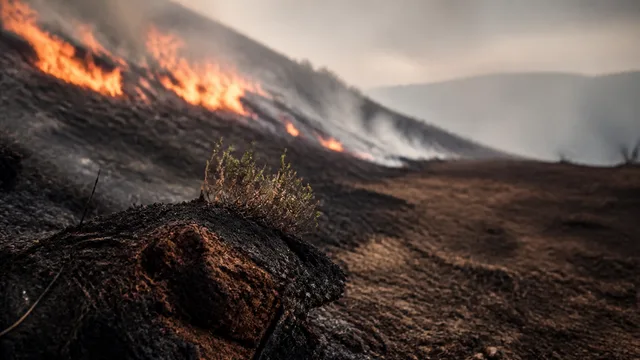
Recent wildfires across the United Kingdom have sparked renewed concern about the fragility of British ecosystems and the complex timeline of environmental recovery. While landscapes like moors and heaths can appear to regenerate quickly, turning green again within weeks after a fire, scientists warn that true ecological restoration takes considerably longer—potentially spanning centuries. The rapid visual recovery masks deeper damage to soil systems, biodiversity, and habitat structures that take far longer to fully rebuild. This discrepancy between apparent and actual recovery has become a focal point for understanding how climate change and land management interact to shape British natural environments.
A critical factor emerging from recent analysis is the role of wetland loss in exacerbating wildfire vulnerability. Over 75% of UK wetlands have been destroyed historically through drainage and development, fundamentally altering the landscape's natural resilience. Wetlands act as moisture reservoirs and firebreaks, helping to prevent the spread and intensity of wildfires. Their restoration is increasingly recognized not just as an environmental good for biodiversity, but as a practical fire prevention measure that could reduce future wildfire risk. This connection underscores how different environmental challenges—wetland destruction and wildfire damage—are interwoven and require integrated restoration approaches.
The coverage reveals a shift in how scientists and conservationists are thinking about land recovery following wildfires. Rather than viewing recovery as a simple process of waiting for plants to regrow, experts now emphasize the importance of active restoration, long-term monitoring, and systemic interventions like wetland protection. The scale and speed required for meaningful recovery challenge the notion that nature can simply bounce back on its own, particularly when underlying ecosystems have already been severely compromised. This perspective informs current policy discussions about land management, climate adaptation, and the allocation of conservation resources across Britain's varied habitats.
BuzzRAG Coverage
4 signals from source feeds

Phys.org
Phys.org
Phys.org
Phys.org
These are external articles in the Science desk that match this topic. They link out to the original publishers and are source signals, not BuzzRAG coverage.