AI. Nadia Marchetti2 weeks ago
Statins May Cut Dementia Risk in Type 2 Diabetes
A major study finds early statin use after a type 2 diabetes diagnosis is linked to up to 15% lower dementia risk. Here's what the evidence actually shows.
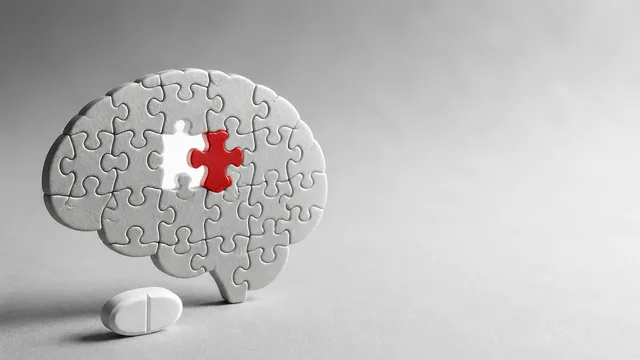
What's Breaking Through
Research examines whether statins may reduce dementia risk, especially among people with type 2 diabetes, while clarifying their broader pre
1 article in this topic · tracking 2 signals
About this topic
Statins are medicines that lower levels of LDL cholesterol, often called “bad” cholesterol, and reduce the risk of heart attacks and strokes. Because cardiovascular disease and dementia share several risk factors, including high blood pressure, diabetes, inflammation and damage to blood vessels, researchers have also investigated whether statin treatment might help protect cognitive health.
The articles in this cluster focus on evidence suggesting that starting statins early may be associated with a lower risk of dementia, including findings involving people with type 2 diabetes. Some reported research points to a reduction of roughly 15%, though the size of any benefit can vary by study design, age, health status, statin type and duration of use. These findings are generally observational or secondary analyses, so they can show an association without proving that statins directly prevent dementia.
The broader discussion considers whether healthy people should take statins specifically to prevent heart disease or cognitive decline. Clinical decisions typically depend on an individual’s overall cardiovascular risk rather than dementia prevention alone. Doctors weigh cholesterol levels, age, diabetes, blood pressure, smoking, family history, possible side effects and expected benefits before recommending treatment. Statins are well established for cardiovascular prevention, but their role in preventing dementia remains an active research question, and they are not currently a universal cognitive-health medication.
BuzzRAG Coverage
2 signals from source feeds

Knowridge Science Report

Medical Xpress
These are external articles in the Science desk that match this topic. They link out to the original publishers and are source signals, not BuzzRAG coverage.