AI. Amelia Nwofor3 months ago
FCC Approves First Space Mirror Satellite Launch
The FCC cleared Reflect Orbital's Eärendil-1 space mirror for launch. Here's what the approval means for astronomy, connectivity, and orbital governance.
What's Breaking Through
Reflect Orbital receives regulatory approval to deploy orbital mirror technology for potential large-scale atmospheric applications.
1 article in this topic · tracking 34 signals across 15 source feeds
About this topic
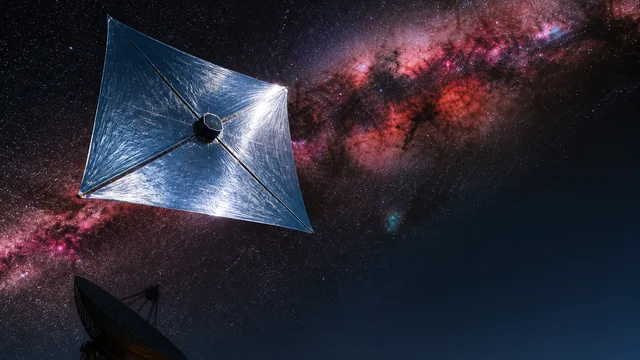
Reflect Orbital has achieved a significant regulatory milestone by obtaining permission to launch its first space-based mirror into orbit. This approval represents a pivotal moment for a technology concept that has garnered increasing attention from researchers and companies exploring unconventional approaches to addressing climate and atmospheric challenges. The company's vision extends far beyond a single satellite, with plans to eventually deploy tens of thousands of these orbital mirrors as part of a larger constellation.
Space mirrors, also known as orbital reflectors or space-based reflectors, are designed to redirect sunlight in controlled ways. The concept operates on the principle of using large, precisely positioned mirrors in orbit to reflect solar radiation. While the exact applications and mechanisms continue to evolve, the technology is being investigated for various potential uses ranging from illuminating dark areas to more ambitious geoengineering concepts. The regulatory approval Reflect Orbital obtained demonstrates that space authorities believe the company has adequately addressed safety, orbital debris, and collision concerns—critical considerations for any large-scale space deployment.
The approval of this first mission represents validation from space regulators that the technology meets current standards and poses acceptable risks. However, the path to deploying tens of thousands of additional mirrors would require sustained regulatory oversight and international coordination, particularly given the global nature of orbital space and atmospheric effects. This first launch serves as both a proof of concept and a testing ground for operational procedures that would eventually need to scale significantly. The success or challenges encountered during this initial deployment will likely inform how quickly and extensively the technology can be rolled out, and will influence how other space agencies and international bodies view similar large-scale orbital constellation projects in the future.
BuzzRAG Coverage
24 of 34 signals from source feeds

Science News

Latest from Space.com
Space.com
Latest from Space.com

MIT Technology Review

Phys.org Space

Smart News | smithsonianmag.com
Space.com
Latest from Space.com
Latest from Space.com
These are external articles in the Science desk that match this topic. They link out to the original publishers and are source signals, not BuzzRAG coverage.