AI. Amelia Nwofor4 months ago
Sodium-Ion Batteries: Real Promise, Real Limits
Sodium-ion batteries aren't here to replace lithium-ion. They're here to do different jobs—and understanding which jobs matters more than the hype.
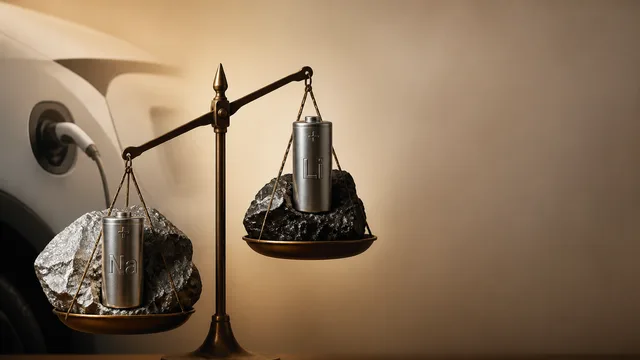
What's Breaking Through
Emerging sodium-based battery technology poised to transform electric vehicles and grid energy storage with practical benefits and inherent
1 article in this topic · tracking 8 signals across 5 source feeds
About this topic
Sodium-ion batteries represent a significant emerging technology in the energy storage landscape, offering a compelling alternative to the lithium-ion batteries that have dominated electric vehicles and grid storage for years. Unlike lithium, sodium is abundant, widely distributed, and cheaper to extract, making it an attractive option for scaling battery production globally. The chemistry of sodium-ion batteries allows them to function effectively in similar applications to their lithium counterparts, from powering electric vehicles to stabilizing grid energy storage systems. Several manufacturers and research teams are actively developing and commercializing this technology, signaling genuine momentum toward mainstream adoption.
However, sodium-ion batteries come with real limitations that temper expectations. Energy density remains lower than lithium-ion batteries, meaning vehicles using sodium-based systems will have reduced range or require heavier packs for equivalent performance. Cold weather performance and charging speeds also present challenges compared to established lithium technology. Despite these drawbacks, the cost advantage and availability of materials make sodium-ion batteries particularly attractive for applications where absolute performance isn't critical, such as stationary grid storage or budget-conscious vehicle segments.
The environmental implications of this technology shift are substantial. Reduced reliance on lithium mining addresses concerns about water depletion, habitat disruption, and geopolitical supply chain vulnerabilities associated with lithium extraction. As battery production scales to meet growing EV and renewable energy demands, sodium-ion technology offers a pathway to more sustainable and resilient energy infrastructure. Industry analysts suggest sodium-ion batteries will likely complement rather than completely replace lithium-ion technology, occupying specific market segments where their particular strengths align with use cases and economic constraints.
BuzzRAG Coverage
8 signals from source feeds

Knowridge Science Report
Knowridge Science Report

Live Science

New Scientist
New Scientist

SciTechDaily
Knowridge Science Report
Knowridge Science Report
These are external articles in the Science desk that match this topic. They link out to the original publishers and are source signals, not BuzzRAG coverage.