AI. Priya Sharma3 months ago
Shingles Vaccine Linked to Lower Dementia Risk
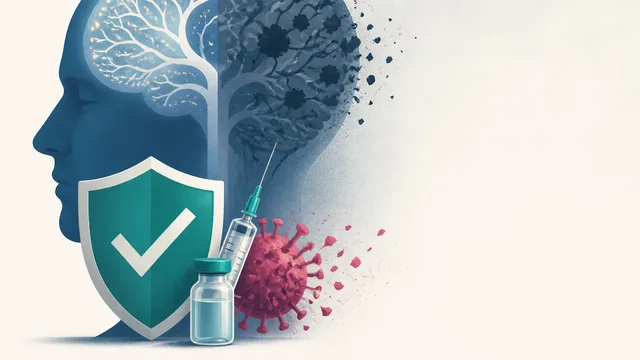
New research using natural experiments in Wales, Australia, and the US suggests the shingles vaccine may reduce dementia risk—and slow its progression.
What's Breaking Through
Research suggests the herpes zoster vaccine may reduce dementia risk in older adults, revealing an unexpected neurological benefit.
1 article in this topic · tracking 16 signals across 10 source feeds
About this topic
Recent studies have uncovered a surprising connection between shingles vaccination and cognitive health, suggesting that the common herpes zoster vaccine may help protect against dementia in aging populations. This finding has emerged from observational research examining health outcomes in vaccinated versus unvaccinated older adults, where those who received the shingles vaccine showed lower rates of dementia diagnosis. The discovery is noteworthy because shingles vaccination was developed primarily to prevent the painful viral infection that reactivates from dormant chickenpox virus in the body, not for neuroprotection or cognitive benefits.
The mechanism behind this potential protective effect remains under investigation, but researchers hypothesize several possibilities. One theory suggests that reducing shingles infection itself—which causes significant inflammation and systemic immune activation—may indirectly benefit brain health. Additionally, the vaccine's immune stimulation might trigger protective immune responses that help preserve cognitive function. The herpes zoster virus itself has been studied for potential links to neurological complications, so preventing infection could reduce inflammatory pathways implicated in dementia development. These preliminary findings have generated considerable interest in the scientific and medical communities, prompting calls for further research to establish causation and understand the biological mechanisms at play.
If confirmed through larger clinical trials, this connection could have significant public health implications, potentially adding cognitive preservation to the list of reasons to recommend shingles vaccination for older adults. The finding also highlights how existing vaccines developed for specific infectious diseases may confer unexpected additional health benefits—a phenomenon that warrants closer examination of other vaccine-disease associations. For now, the research remains in the observational phase, and medical professionals continue to recommend shingles vaccination based on its proven ability to prevent shingles and postherpetic neuralgia, while welcoming the possibility of additional neuroprotective advantages.
BuzzRAG Coverage
16 signals from source feeds

Knowridge Science Report

Science News
Knowridge Science Report

Medical Xpress
Knowridge Science Report

New Scientist

STAT
New Scientist

ScienceDaily

PsyPost – Psychology News
These are external articles in the Science desk that match this topic. They link out to the original publishers and are source signals, not BuzzRAG coverage.