AI. Priya Sharma15 hours ago
Self-Charging Toothbrush Shows Promise in a Short Trial
A piezoelectric toothbrush improved plaque and gum measures over three months. An earlier PTFE design shows what changed and why long-term benefits remain untested.
What's Breaking Through
Research into toothbrushes that generate electricity while brushing to target oral bacteria and help prevent gum disease and cavities.
1 article in this topic · tracking 4 signals across 4 source feeds
About this topic
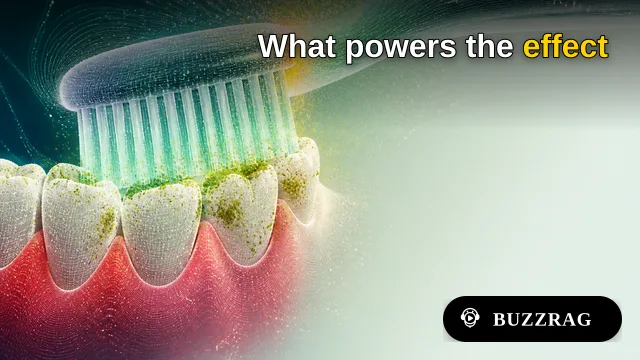
These articles focus on a toothbrush designed to produce electricity from the motion of brushing, rather than relying on a battery or external power source. The generated electrical effect is intended to act on bacteria in the mouth, including microbes associated with tooth decay and gum disease. The idea adds an antimicrobial function to the familiar mechanical job of brushing away plaque, potentially making ordinary brushing do more without requiring users to charge another device.
The reports present the brush as a developing technology, not as a replacement for established oral-care practices. Brushing thoroughly, cleaning between teeth, and getting regular dental care remain central to preventing cavities and gum disease. Although early research may show that electrical stimulation can affect oral bacteria, results in laboratory settings do not by themselves establish that a toothbrush prevents disease in everyday use. Its practical value will depend on evidence about safety, durability, how well it works in the mouth, and whether it improves outcomes beyond conventional brushing. The shared story is therefore both a device innovation and a test of how a small amount of electricity generated during a routine activity might support oral hygiene.
BuzzRAG Coverage
4 signals from source feeds

Medical Xpress

New Scientist
New Scientist

Live Science
These are external articles in the Science desk that match this topic. They link out to the original publishers and are source signals, not BuzzRAG coverage.