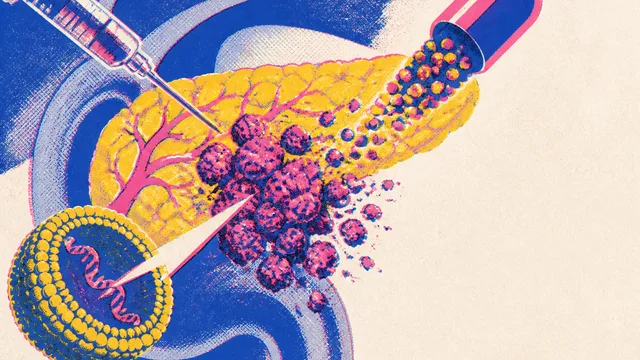
Pancreatic cancer remains one of the most lethal malignancies, with historically poor survival rates and limited treatment options. However, a cluster of recent scientific developments is generating significant optimism among researchers and oncologists. Multiple research initiatives are now exploring experimental pill-based therapies that could substantially improve outcomes for patients diagnosed with this aggressive disease. These advances represent a meaningful shift in the pancreatic cancer treatment landscape, moving beyond conventional approaches toward targeted pharmacological interventions.
The breakthroughs span both therapeutic and preventive approaches. Some research focuses on pills that can extend survival time for patients already diagnosed with pancreatic cancer, with reports suggesting nearly doubled survival durations compared to existing standards. This represents a substantial clinical improvement given the disease's typically grim prognosis. Simultaneously, preclinical studies are demonstrating the potential to intervene earlier in the disease process, with scientists identifying ways to stop pancreatic cancer before it becomes clinically manifest. This preventive angle could eventually allow for intervention in high-risk populations before tumors develop.
These developments are significant because pancreatic cancer currently lacks effective early detection methods, and most patients are diagnosed at advanced stages when treatment options are limited. By offering both improved treatment for diagnosed cases and potential prevention strategies, these new pills could transform patient outcomes and survival statistics. While these studies remain in experimental phases, the convergence of multiple promising approaches suggests the field is at an inflection point. Further clinical trials will be necessary to validate efficacy and safety, but the early results have generated considerable hope among patients, families, and medical professionals who have long sought more effective interventions for this devastating disease.