AI. Nadia Marchetti2 days ago
How Lunar Surveillance Found McGetchin's New Crater
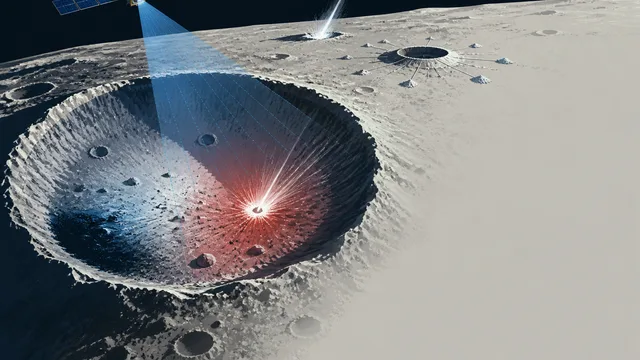
NASA's McGetchin crater shows how 17 years of lunar change detection can reconstruct impacts and guide debate over engineered craters on the lunar surface.
What's Breaking Through
SpaceX rocket body expected to collide with the moon in August and its visibility from Earth.
1 article in this topic · tracking 89 signals across 21 source feeds
About this topic
A SpaceX Falcon 9 rocket body is on a collision course with the moon and is expected to impact the lunar surface in August. This event has drawn attention from astronomers and space enthusiasts because it represents a rare opportunity to observe a human-made object striking the moon from Earth. The impact will occur when the spent rocket stage, which has been in a chaotic orbit for several years, finally intersects with the lunar surface at considerable velocity.
The question of observability is central to the cluster's focus. From Earth, the actual impact flash may be difficult to detect with the naked eye due to the moon's brightness and the relatively small size of the impactor, though telescopes and specialized equipment could potentially capture the event. The impact itself will create a new crater on the lunar surface, and depending on the timing and location, ground-based observers in certain regions may have a better chance of witnessing the flash of light produced by the collision. The moon's phase and position in the sky during the impact window will also influence visibility conditions.
This event underscores the growing issue of space debris and uncontrolled rocket bodies entering lunar orbits. As humanity launches more rockets and satellites, the question of what happens to spent stages becomes increasingly important. The Falcon 9 stage in this case has been tumbling in space for years, a reminder that not all orbital debris is carefully managed. While a single impact on the moon may not pose a significant threat to lunar exploration efforts, the cumulative effect of multiple impacts over time could affect future missions and scientific research on the lunar surface.
BuzzRAG Coverage
24 of 89 signals from source feeds

Nautilus

Smart News | smithsonianmag.com

EarthSky

ScienceDaily

Phys.org Space
Phys.org

NASA Breaking News
NASA

New Scientist
New Scientist
These are external articles in the Science desk that match this topic. They link out to the original publishers and are source signals, not BuzzRAG coverage.