AI. Olivia Mengjust now
NASA Seeks Ways to Manage Static Electricity on the Moon
NASA wants ideas to manage lunar static electricity. Charged dust and spacesuits may put electronics at risk, making grounding a design question for Moon crews.
What's Breaking Through
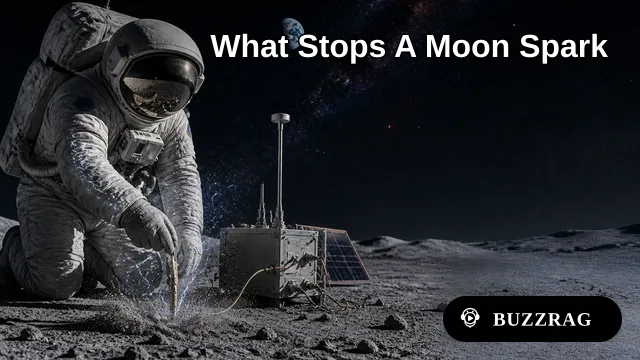
How astronauts may build up static charge on the Moon and risk discharging it into spacecraft or equipment.
1 article in this topic · tracking 3 signals across 3 source feeds
About this topic
The Moon’s airless environment creates unusual electrical conditions for astronauts and their equipment. Solar ultraviolet light and charged particles from space can affect the lunar surface, while the lack of a substantial atmosphere means charge does not dissipate as it does on Earth. A spacesuit, designed to protect its wearer and provide insulation, could therefore accumulate electrical charge as an astronaut moves across the surface. In that sense, a suited astronaut may behave like a high-voltage capacitor: able to hold charge until a path for it to flow becomes available.
The practical concern is an unintended electrostatic discharge when an astronaut touches a spacecraft, habitat, tool, or other conductive object. Even a brief spark could disrupt sensitive electronics or damage components, posing risks to crews and missions. The title signals a potential hazard under study, not evidence that astronauts have already caused such damage. The actual risk would depend on factors such as local surface and plasma conditions, suit materials, and how the astronaut and spacecraft are electrically connected. Understanding those variables can help guide mission design, including ways to monitor charge, control grounding, and make equipment more resilient. As lunar exploration expands, managing static electricity becomes one of the less visible but important challenges of safely operating people and hardware on the Moon.
BuzzRAG Coverage
3 signals from source feeds

Latest from Space.com
Latest from Space.com
Space.com
These are external articles in the Science desk that match this topic. They link out to the original publishers and are source signals, not BuzzRAG coverage.