AI. Olivia Meng2 weeks ago
Jupiter and Mars Will Appear Close in Leo on Nov. 15
Jupiter and Mars appear close in Leo on Nov. 15. Find out when to check your local sky, what a conjunction means and what you can see without a telescope.
What's Breaking Through
Guides to the apparent close approach of Jupiter and Mars in Leo around November 15 and how to spot the planets.
1 article in this topic · tracking 7 signals across 4 source feeds
About this topic
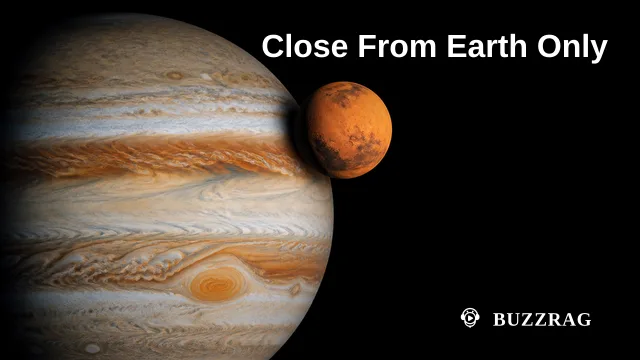
Jupiter and Mars are drawing close together in the sky, with their apparent pairing in the constellation Leo expected to be especially striking around November 15. The event is a line-of-sight effect: the planets remain separated by vast distances in space, but their positions along Earth’s view of the solar system make them appear near one another. Such close approaches, often called conjunctions in casual coverage, offer an easy way to notice the changing arrangement of the planets against the background stars.
The planets can generally be distinguished by their appearance. Jupiter is the brighter, cream-colored point of light, while Mars has a subtler reddish hue. For many observers, no telescope is needed; a clear view of the sky and a location away from bright lights can be enough. Binoculars may help bring out surrounding stars, though the planets themselves are readily visible to the unaided eye when conditions cooperate. The best viewing time and direction depend on an observer’s location and the planets’ position above the horizon, so local sky charts and forecasts can help with planning. The cluster’s articles focus on the timing and practical viewing advice for this brief celestial alignment, a reminder that some memorable observing opportunities require little more than looking up.
BuzzRAG Coverage
7 signals from source feeds

EarthSky

Latest from Space.com
Latest from Space.com
Space.com
Space.com
Latest from Space.com
Latest from Space.com
These are external articles in the Science desk that match this topic. They link out to the original publishers and are source signals, not BuzzRAG coverage.