AI. Olivia Meng1 day ago
Giant Waterlily Discovery Expands a Small Plant Family
An Instagram sighting and satellite images helped identify a giant waterlily in Colombia, raising questions about plant surveys, taxonomy and conservation.
What's Breaking Through
Researchers identified a third giant waterlily species after an Instagram sighting sparked a closer look at plants and preserved specimens.
1 article in this topic · tracking 3 signals
About this topic
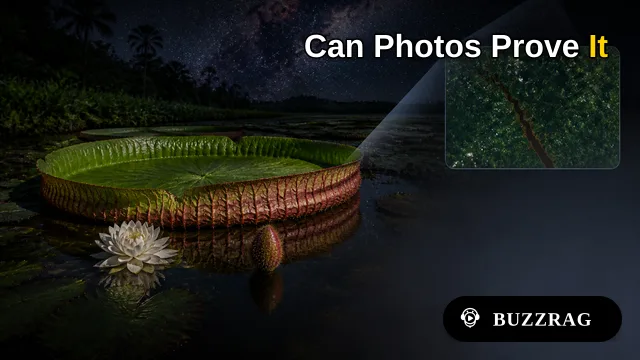
Giant waterlilies are famous for their enormous floating leaves, but for generations botanists recognized only two species in the genus Victoria. That picture changed when researchers investigated a striking plant shared on Instagram. The image prompted renewed attention to plants growing in South America and to living specimens cultivated in botanical gardens. By comparing their features with DNA evidence and historical herbarium collections, scientists concluded that the plant represented a distinct species, Victoria boliviana. Its recognition brings the known number of giant waterlilies from two to three, revealing that this small plant family is more diverse than previously understood.
The work brought together botanists, including specialists at the Royal Botanic Gardens, Kew, and collaborators familiar with the plants in their native range. The case also shows how social media can help researchers notice unusual organisms, while formal identification still depends on careful scientific comparison. Victoria boliviana is native to Bolivia, where it grows in wetland habitats, and the species has been assessed as critically endangered. Its limited distribution and pressures on wetland environments make conservation urgent. Naming the species gives scientists and conservationists a clearer basis for tracking its populations and protecting its habitat. More broadly, the discovery underscores the value of botanical collections: specimens gathered long ago can hold clues to biodiversity that researchers only recognize when they are examined alongside living plants and modern genetic tools.
BuzzRAG Coverage
3 signals from source feeds

Mongabay

Phys.org

New Scientist
These are external articles in the Science desk that match this topic. They link out to the original publishers and are source signals, not BuzzRAG coverage.