AI. Olivia Meng3 weeks ago
What the Record-Setting 2026 El Niño Really Measures
A Pacific temperature record confirms an exceptional El Niño, but different indices and past events show why its local impacts remain uncertain.

What's Breaking Through
Reports on the exceptional strength of the current El Niño event and its predicted impacts on global and UK weather.
2 articles in this topic · tracking 17 signals across 5 source feeds
About this topic
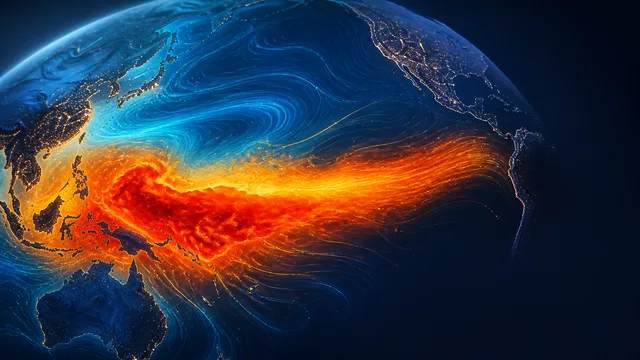
The world is experiencing an exceptionally powerful El Niño event that has already shattered historical records for intensity. Multiple meteorological organizations, including the UK Met Office, have characterized this phenomenon as the strongest since systematic temperature records began, with some describing conditions as "off the charts." This El Niño cycle is on track to make the current year one of the hottest on record globally, surpassing even recent warm years driven by climate change and previous strong El Niño events.
El Niño is a natural climate pattern characterized by unusually warm ocean temperatures in the central and eastern tropical Pacific Ocean, occurring roughly every 2-7 years. When active, these warm waters transfer heat to the atmosphere and influence weather patterns across the globe. The current event's exceptional strength suggests unusually widespread and pronounced effects on weather systems worldwide. Forecasters have warned that this powerful El Niño will drive global temperatures to unprecedented levels, with particular concern about temperature records being broken in various regions.
For the United Kingdom specifically, scientists are analyzing how this strong El Niño might influence local weather patterns in coming months. Preliminary forecasts suggest the potential for a stormy autumn followed by a cold winter, though the exact regional impacts of El Niño can be complex and indirect. The UK's distance from the Pacific means El Niño's effects are mediated through broader atmospheric circulation changes rather than direct local heating. Understanding how this record-breaking El Niño will shape European and British weather in the coming seasons remains an active focus for meteorologists, with implications for everything from agriculture to energy demands.
BuzzRAG Coverage
A Pacific temperature record confirms an exceptional El Niño, but different indices and past events show why its local impacts remain uncertain.
NOAA gives a greater than 90% chance of a very strong El Niño by late 2026. Here is what the forecasts actually say, and what they do not.
17 signals from source feeds

Phys.org

Live Science

New Scientist
New Scientist
New Scientist
New Scientist
Live Science

BBC News
BBC News
Phys.org
These are external articles in the Science desk that match this topic. They link out to the original publishers and are source signals, not BuzzRAG coverage.