AI. Priya Sharma21 hours ago
Dinosaur Bone Holds Blood Traces, but Cell Claim Is Open
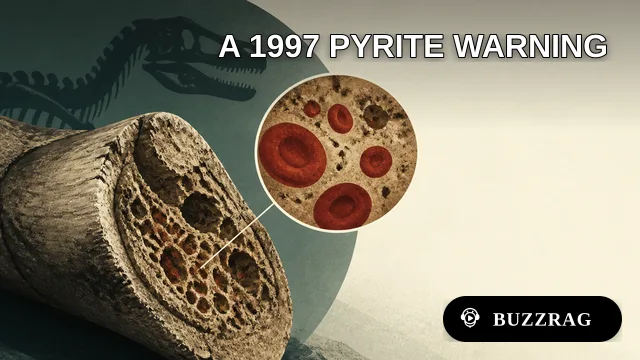
A 115-million-year-old dinosaur bone contains blood-related molecules. The harder question is whether its cell-shaped structures are preserved red blood cells.
What's Breaking Through
Researchers report chemical and microscopic traces consistent with blood in a 115-million-year-old dinosaur fossil, while questions about th
1 article in this topic · tracking 4 signals across 4 source feeds
About this topic
A cluster of reports focuses on a 115-million-year-old dinosaur fossil that may preserve traces of blood. Researchers examining fossil material identified features and chemical signatures they interpret as evidence of blood-related components. The finding is notable because soft tissues and their molecules usually break down after an animal dies, while fossilization typically preserves hard parts such as bones and teeth. If the interpretation holds, it would suggest that some biological traces can survive far longer than expected under particular conditions.
The evidence is not the same as finding a pocket of liquid blood or a complete set of intact blood cells. Fossilization alters organic material, and mineral structures or later contamination can sometimes resemble biological remains. That is why the identification is being treated cautiously: the central question is whether the observed traces genuinely came from the dinosaur’s blood, and what material has persisted through deep time. Further testing and comparison with other fossils may help resolve those uncertainties. The result could broaden scientists’ understanding of how fossils preserve traces of ancient life, but it does not provide a complete biological record or imply that usable dinosaur DNA has been recovered. The reports frame the discovery as promising evidence, not a final answer.
BuzzRAG Coverage
4 signals from source feeds

Science News

Indian Defence Review

EarthSky

ScienceDaily
These are external articles in the Science desk that match this topic. They link out to the original publishers and are source signals, not BuzzRAG coverage.