AI. Priya Sharma8 hours ago
Circadian Depression: A Proposed Subtype Faces Key Tests
A study groups 23% of an Australian depression cohort by sleep and mood features. Can the proposed subtype predict clock disruption or better treatment?
What's Breaking Through
Researchers propose that disrupted body-clock rhythms may define a distinct form of depression affecting roughly one in four patients.
1 article in this topic · tracking 5 signals
About this topic
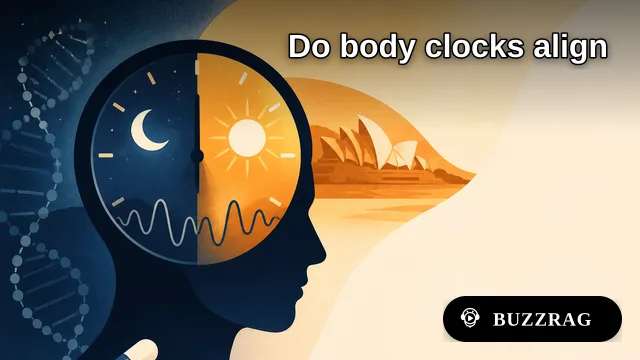
A group of researchers is proposing that depression may include a “circadian” subtype linked to disruptions in the body’s internal timing system. Circadian rhythms help coordinate sleep and wakefulness and other daily biological processes. The idea is that, for a substantial share of people with depression, problems in these rhythms may be more than a side effect of low mood or poor sleep: they could be part of a distinct pattern of illness. Headlines report an estimate of about one in four cases, but that figure should be understood as an estimate associated with the proposal, not an established measure of how common a confirmed diagnosis is.
The proposal could help explain why depression varies so widely between people and why sleep and daily schedules are important in some cases. It also raises the possibility that identifying circadian disruption could eventually help clinicians tailor treatment. For now, the subtype remains a research hypothesis, and its significance depends on further testing. Researchers will need to determine how reliably the pattern can be identified, whether it appears in independent groups of patients, and how strongly it relates to depression rather than overlapping sleep or lifestyle factors. They will also need to establish whether circadian measures can guide care or predict which treatments work. The coverage therefore centers both on a potentially useful way to classify depression and on the evidence still needed before it can be treated as a settled clinical subtype.
BuzzRAG Coverage
5 signals from source feeds

New Scientist
New Scientist

ScienceAlert

Medical Xpress

Live Science
These are external articles in the Science desk that match this topic. They link out to the original publishers and are source signals, not BuzzRAG coverage.