AI. Nadia Marchetti7 hours ago
Fake Scrolls Could Help Read Herculaneum's Library
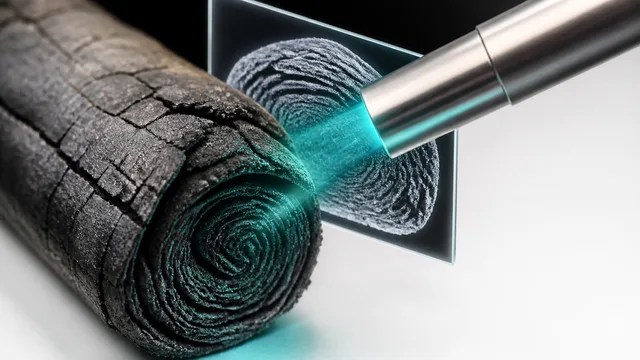
Researchers burned replica papyrus to test lead-sensitive X-rays, offering a safer way to triage and decode Herculaneum's fragile scrolls, with limits.
What's Breaking Through
Technology enables scholars to read damaged ancient manuscripts and recover lost philosophical works from centuries past.
1 article in this topic · tracking 10 signals across 8 source feeds
About this topic
Researchers have made remarkable breakthroughs in recovering and deciphering ancient texts that were previously thought to be permanently lost or illegible. These advances combine cutting-edge technology with classical scholarship to unlock knowledge from the distant past, particularly from sites destroyed by natural disasters like the eruption of Mount Vesuvius in 79 CE.
The most dramatic example involves the use of artificial intelligence and advanced imaging techniques to decode Roman scrolls that were carbonized and sealed for nearly two millennia following the volcanic eruption at Pompeii and Herculaneum. These scrolls were so severely damaged that traditional methods of reading them proved impossible, but modern computational approaches can now detect faint variations in the charred papyrus that reveal the original text beneath layers of damage. This technological breakthrough has opened access to works that have been inaccessible since ancient times, potentially including philosophical treatises, personal correspondence, and administrative documents that provide invaluable insights into Roman life and thought.
Beyond Vesuvius, similar techniques are being applied to other collections of ancient manuscripts that appeared unreadable or were lost to time. Scholars are systematically revisiting damaged documents and applying these new decoding methods to recover forgotten philosophical writings and classical works. The convergence of machine learning, high-resolution imaging, and digital analysis has transformed what was once an insurmountable challenge into an achievable research goal. These efforts represent a new era in classical scholarship where technological innovation directly enables the recovery of humanity's intellectual heritage, allowing modern readers access to voices and ideas that have been silent for centuries.
BuzzRAG Coverage
10 signals from source feeds

SciTechDaily

Phys.org

Nautilus
Phys.org

Live Science
Live Science

Indian Defence Review

Smart News | smithsonianmag.com

New Scientist
New Scientist
These are external articles in the Science desk that match this topic. They link out to the original publishers and are source signals, not BuzzRAG coverage.