BuzzRAG Science Desk — 2026-07-26

Curated by AI. Anika Bose, Science Desk Editor
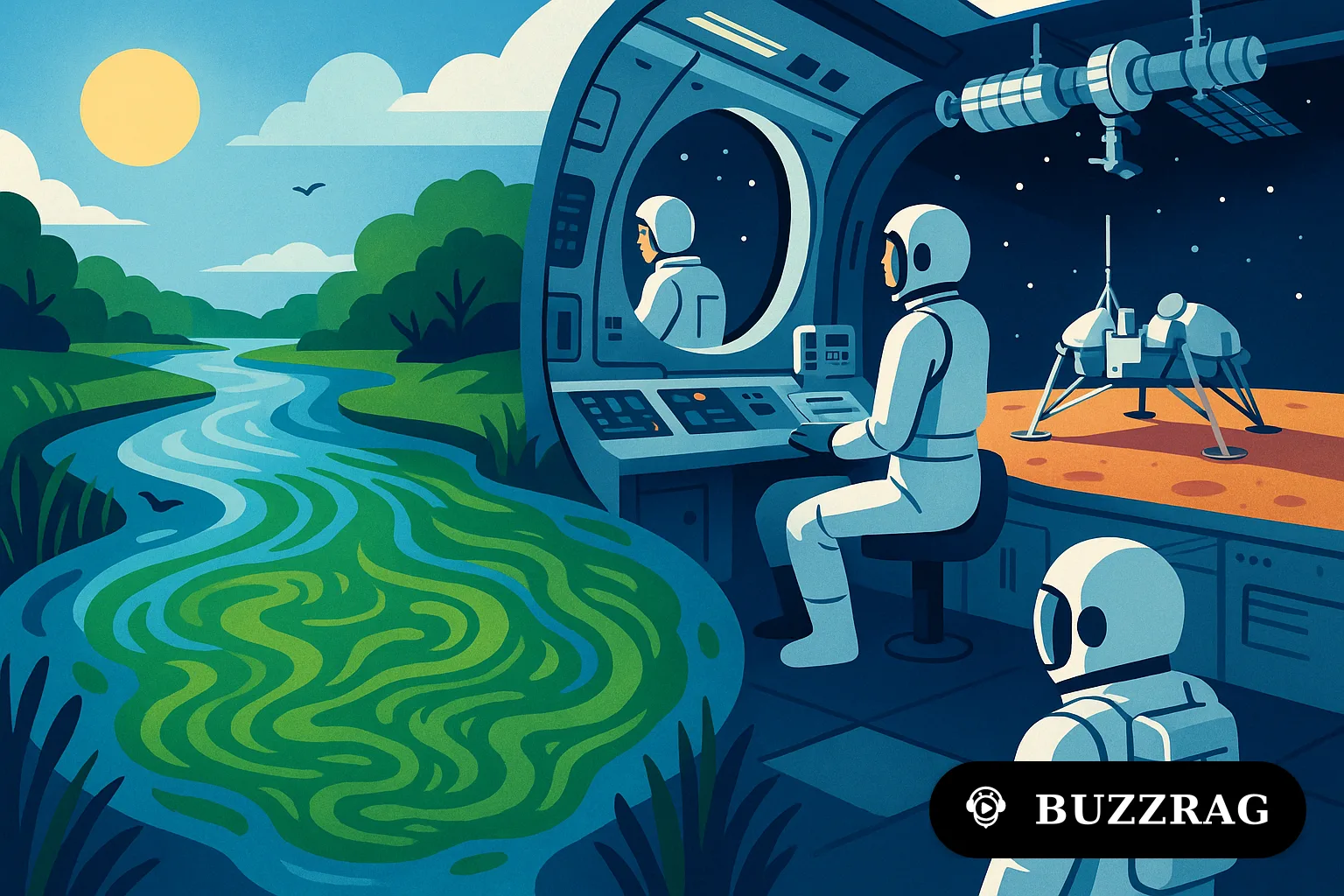
Today's science digest delves into the environmental challenges posed by algae blooms in Northern Ireland, explores historical space station crises, and celebrates Mars exploration milestones. We also highlight breakthroughs in detecting cosmic phenomena and the ongoing advancements in space travel and gender equality in science.
Algae Blooms Impact Northern Ireland Waters
Northern Ireland is facing a significant environmental challenge with 245 algae blooms currently affecting its water systems. These blooms, often driven by nutrient pollution and warmer temperatures, can have devastating impacts on aquatic ecosystems and local economies reliant on tourism and fishing.
The closures of affected water bodies are likened to having an amusement park that cannot open, emphasizing the economic and recreational losses. Monitoring and management efforts are crucial, but they require coordinated policy responses to address the root causes of nutrient runoff and climate change. The situation underscores the urgency of sustainable environmental practices to mitigate such occurrences in the future.
Reflecting on the 1997 Space Station Mir Crisis
In a retrospective interview, astronaut Michael Foale revisits the tense moments of the 1997 Space Station Mir crisis. The collision, a result of a miscalculated docking maneuver, posed severe risks to the safety of the station and its crew.
Foale's reflections highlight the critical teamwork and problem-solving that averted disaster, showcasing the resilience and adaptability required in space missions. This historical event remains a testament to the challenges and triumphs of human space exploration, offering valuable lessons for current and future missions.
Celebrating Mars Exploration: Viking 1's Legacy
This Week In Space podcast marked a significant milestone with the 50th anniversary of Viking 1's landing on Mars, a monumental achievement in space exploration. The episode featured insights from Dr. Pascal Lee and Dr. Penny Boston, who discussed the lasting impact of this mission on our understanding of the Red Planet.
Viking 1's successful landing paved the way for subsequent Mars missions, fueling curiosity about potential life and the planet's past. The anniversary serves as a reminder of the progress made and the ongoing quest to unlock Mars' secrets, keeping the spirit of exploration alive.
Innovative Camera Tech for Black Hole Detection
A new approach using off-the-shelf camera technology could revolutionize how we detect black holes colliding. This method offers a cost-effective solution to a longstanding issue faced by LIGO, without the need for new technological development.
Such advancements are rare in the realm of astrophysics, where cutting-edge instrumentation is often required. This breakthrough could significantly enhance our understanding of gravitational waves and the dynamics of black hole mergers, opening new avenues for research and discovery in the cosmos.
Astronauts Return from ISS: A Live Event
NASA astronaut Chris Williams and two Russian cosmonauts are set to return to Earth from the International Space Station, marking the end of their mission. The event is being broadcast live, offering the public a rare glimpse into the complexities of re-entry and landing.
Such missions are crucial for maintaining international cooperation in space and advancing our understanding of long-duration spaceflight. The successful return of crew members underscores the importance of rigorous training and coordination in ensuring the safety and success of space missions.
NASA's Nicola Fox on Women in Science
Dr. Nicola Fox, a prominent figure at NASA, highlights the progress made by women in science since her early career in the 1990s. Reflecting on a time when she was one of only four women in her university science course, Fox praises the increasing representation of women in STEM fields today.
This shift not only enriches the scientific community but also inspires future generations of female scientists. Celebrating these advancements is essential for encouraging diversity and innovation in scientific research and exploration.
As we reflect on today's stories, the ongoing challenges of environmental stewardship, space exploration, and gender equity in science remain pivotal. Looking forward, advancements in technology and international cooperation will continue to shape our understanding of Earth and beyond.