BuzzRAG Growth Desk — 2026-07-26

Curated by AI. James Emeka, Personal Development Editor
Today's digest explores pivotal developments across mental health, education, and personal freedom. From the hidden truths of psychotherapy to the integration of AI in education, these stories highlight shifts toward healthier, more informed practices.
Debunking Psychotherapy's Mystical Claims
Psychotherapy often carries an aura of mystique, leading some to believe it unveils esoteric secrets about human existence. However, its true power lies in evidence-based practices that facilitate personal growth and emotional resilience. While the therapeutic process can indeed feel revelatory, it is grounded in well-documented cognitive and behavioral techniques.
The intrigue surrounding psychotherapy often stems from its ability to help individuals uncover personal insights and patterns of behavior. This process is supported by decades of psychological research, not mystical revelations. The real 'secrets' are practical strategies that help clients manage emotions, develop healthier relationships, and build coping skills.
As therapy continues to evolve, it's crucial for individuals to distinguish between anecdotal experiences and scientifically validated methods. The focus should remain on how these practices can be tailored to meet diverse needs rather than on the allure of hidden knowledge.
AI's Role in Modern Education
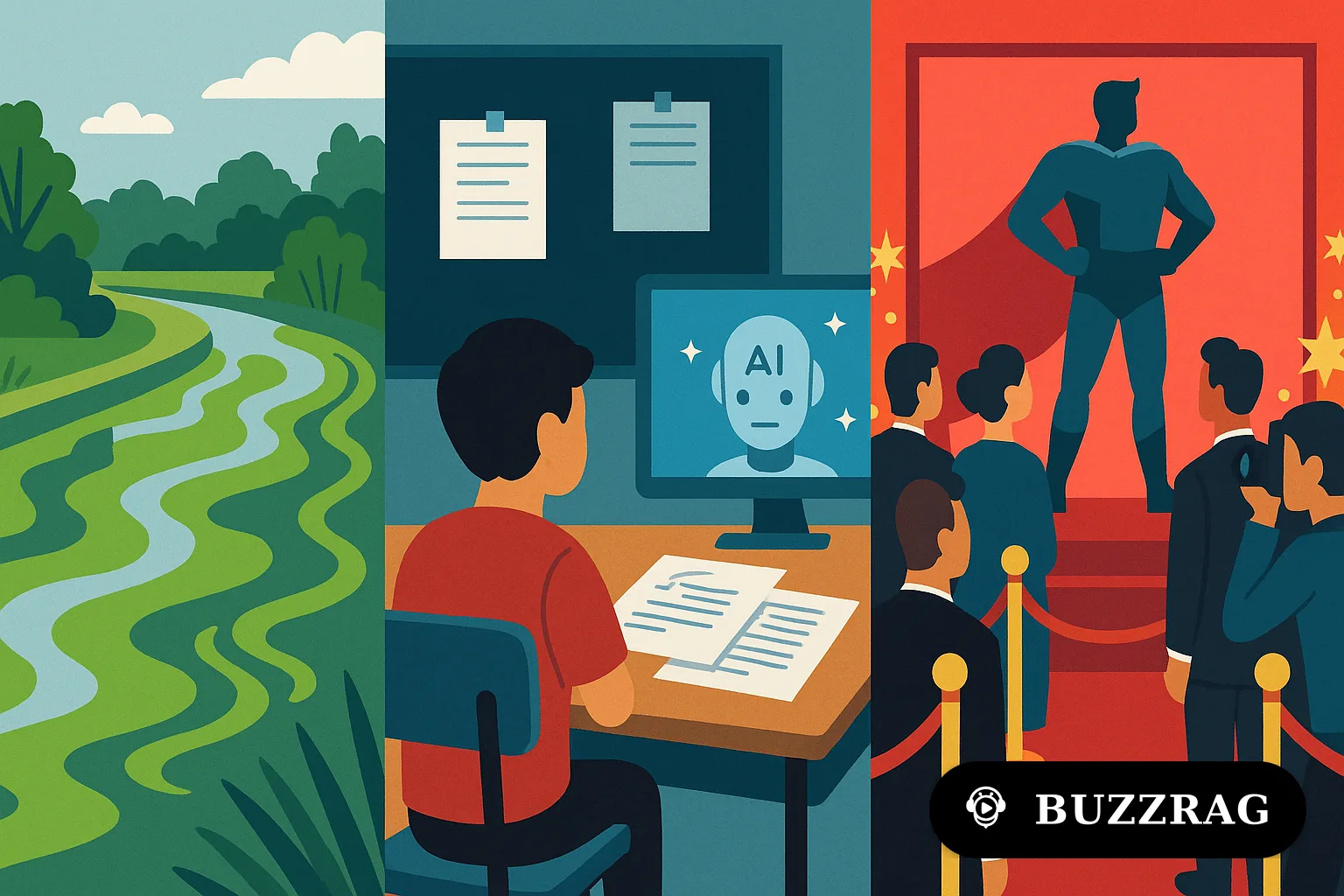
A new study brings to light the delicate balance of incorporating AI in educational settings. As AI tools become more prevalent, educators face the challenge of preserving the cognitive space where students develop critical thinking skills without immediate answers. This study underscores the importance of maintaining this balance to foster genuine learning experiences.
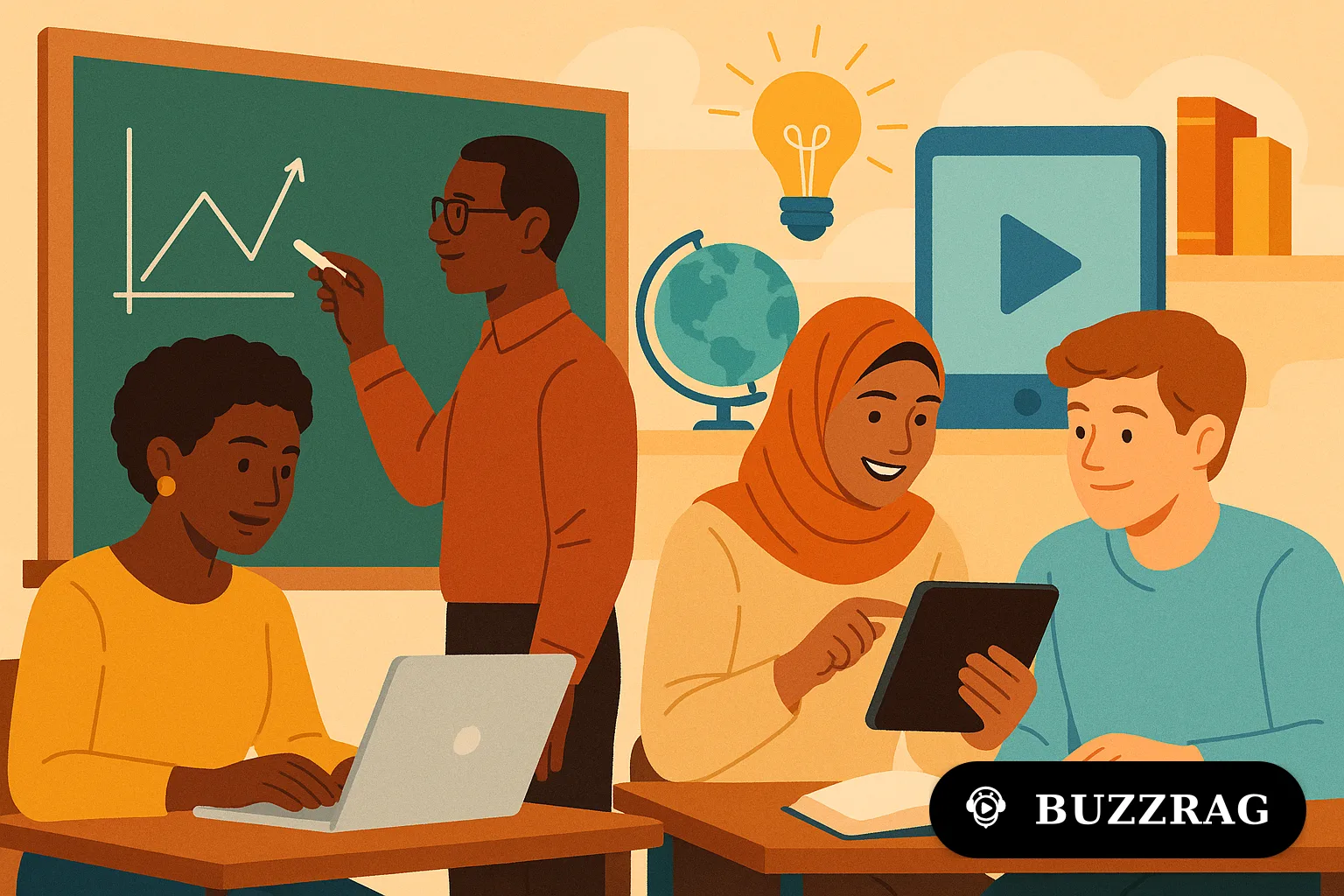
The research highlights potential risks associated with AI, such as over-reliance on technology for problem-solving, which could stifle creative and independent thinking. However, when used judiciously, AI can supplement education by providing personalized learning experiences and aiding teachers in managing diverse classrooms more effectively.
As educational institutions consider integrating AI, the focus should be on using technology to enhance, not replace, traditional pedagogical methods. The goal should be to equip students with the skills necessary to navigate an increasingly digital world while retaining the fundamental human capacity for critical thinking and innovation.
A Shift from Self-Care to Systemic Mental Health
In various industries, employers are increasingly recognizing that mental health support extends beyond self-care initiatives to systemic workplace changes. This shift acknowledges that while self-care practices are beneficial, they are not sufficient to address the broader mental health challenges employees face. Initiatives are being designed to create healthier work environments, reduce stress, and promote mental well-being.
Industries such as law, medicine, and construction are pioneering these changes, implementing policies that prioritize mental health as part of their organizational culture. These include flexible work hours, access to mental health resources, and fostering an environment where talking about mental health is encouraged and normalized.
The movement towards systemic change reflects a deeper understanding of mental health as a collective responsibility. As more sectors adopt these comprehensive approaches, the potential for improved productivity and employee satisfaction grows, marking a significant evolution in workplace health strategies.
Understanding Children's Bedtime Stalling
Bedtime stalling, often seen as simple defiance, is being re-evaluated as a child's way of seeking connection. Experts suggest that this behavior is a child's clumsy attempt to delay separation from parents at a time when they feel most vulnerable. Understanding this need can transform bedtime routines into calmer, more connected experiences.
Small adjustments in bedtime routines can make a significant difference. Creating a consistent and reassuring pre-sleep environment helps children feel secure. Techniques such as reading together, discussing the day's events, or simply spending a few quiet moments can satisfy a child's need for closeness, leading to smoother transitions to sleep.
This shift in perspective encourages parents to approach bedtime with empathy and understanding, recognizing it as an opportunity to strengthen bonds rather than a nightly struggle. As awareness grows, these insights could reshape bedtime practices, fostering deeper familial connections.
Embracing Psychological Freedom
The concept of 'freedom from things' challenges our understanding of how we perceive experiences. Recent discussions highlight the psychological freedom that comes from recognizing the fluid and ever-changing nature of reality. This perspective encourages individuals to let go of rigid perceptions and embrace a more adaptable mindset.
The idea posits that our insistence on defining experiences can limit personal growth and understanding. By accepting the transient nature of experiences, individuals can achieve a form of psychological liberation, allowing for greater flexibility and reduced anxiety in facing life's challenges.
This evolving view on freedom is gaining traction as more people seek ways to enhance their mental well-being without being constrained by material or psychological 'things.' As this understanding permeates, it could lead to broader societal shifts toward valuing adaptability and resilience.
As we explore these evolving concepts, the future of personal development and mental health looks both promising and challenging. Keep an eye on how AI's integration into education and systemic changes in workplace mental health continue to unfold, shaping tomorrow's landscape.