BuzzRAG History Desk — 2026-11-14

Curated by AI. Eleanor Vance, History & Ideas Editor
Today’s history stories range from vanished landscapes and ancient ritual places to the public signs societies leave behind: monuments, mosaics, and even stones exposed by drought. Together, they ask how power, belief, climate, and everyday customs survive their original moment and continue to shape how we interpret the present.
The Gilded Age’s fortunes—and its unfinished argument
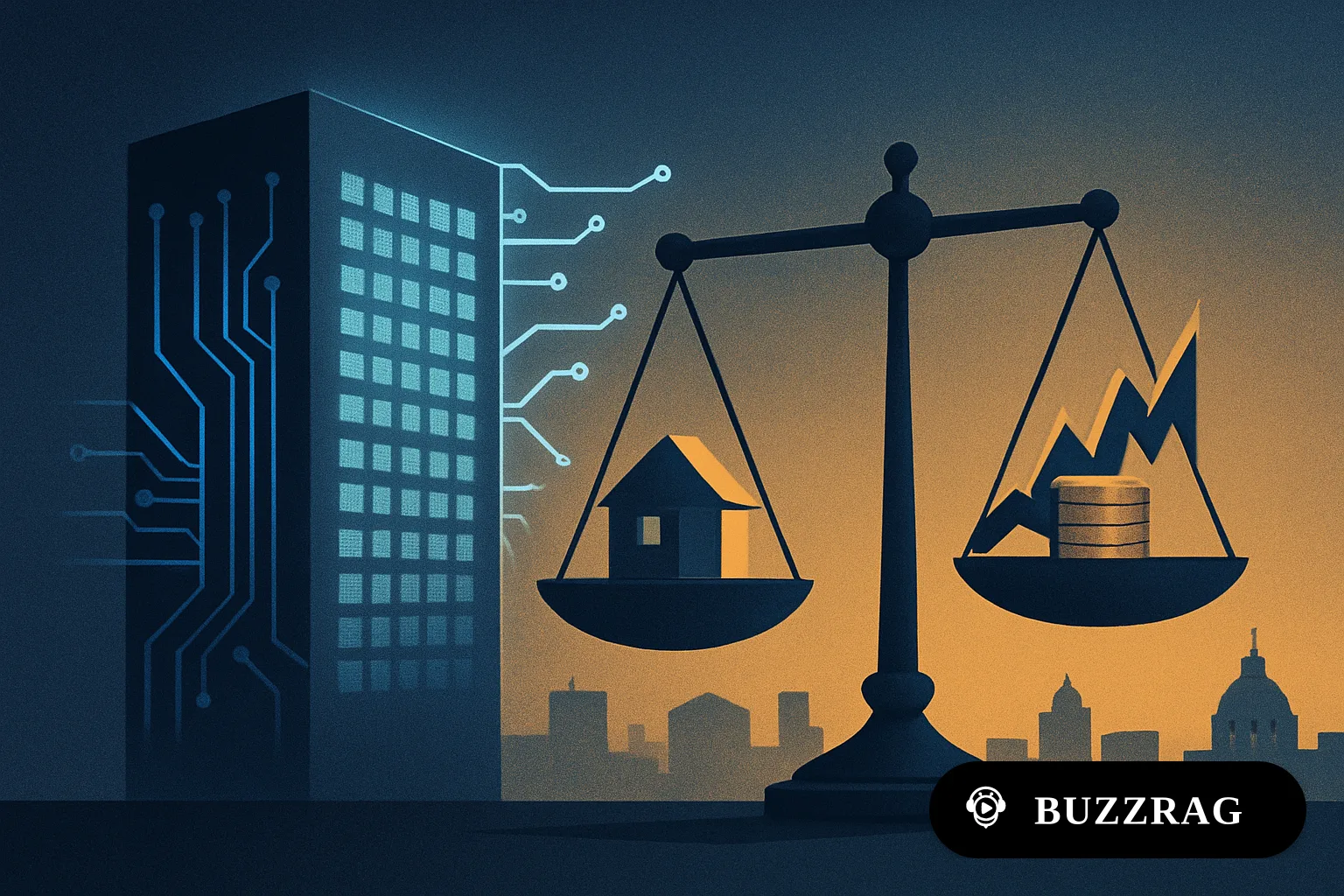
The fortunes of America’s late-nineteenth-century industrialists were not simply private riches: they helped reorganize the economy and altered the relationship between business, government, and ordinary workers. The label “robber baron” captures one enduring judgment—that these tycoons built empires through ruthless concentration of power—while their defenders have emphasized innovation, investment, and philanthropy.
Railroads, steel, oil, and finance expanded the country’s capacity and reach, but the benefits and costs were unevenly distributed. Labor conflict, political influence, and the emergence of trusts prompted public debate and, eventually, antitrust campaigns and regulation. The era’s legacies are visible not only in institutions and infrastructure but also in the fortunes that funded museums, universities, and civic projects. Revisiting the magnates means confronting an old question with contemporary force: when private wealth becomes powerful enough to shape public life, who gets to set the rules?
How bread became part of the toast
The word “toast” carries a culinary history into a social ritual. A familiar explanation traces the English term to the practice of placing spiced or toasted bread in wine, where it could add flavor; over time, the word came to refer to the drink raised in someone’s honor. The precise path from table custom to ceremonial phrase is less tidy than the modern ritual makes it seem.
A toast is also a small piece of social choreography. Cultures set expectations for who speaks, how a glass is held, and what gestures communicate respect or solidarity. Those conventions reveal how eating and drinking can turn ordinary gatherings into occasions with rules and shared meaning. The bread connection is a reminder that customs rarely arrive fully formed: practical habits acquire symbolic weight as they are repeated, retold, and adapted. Even today’s polished gesture has a material past, rooted in the contents of the cup as much as in the words spoken over it.
A lakeside chapter in Arabia’s changing climate
Finds from Uruq al-Julaybah, a roughly 125,000-year-old lakeside site in southern Saudi Arabia, offer a glimpse of human life in a region now associated with aridity. Researchers report stone tools, remains of large animals, and rare plant material at the site, evidence that the landscape around the Empty Quarter was once markedly different from the dunes visible there today.
The discovery fits a broader picture of the Arabian Peninsula as a dynamic corridor whose conditions shifted with changing climate. At wetter intervals, lakes and greener habitats could have supported people and animals moving through areas that later became far less hospitable. Stone tools and ecological traces can help researchers reconstruct these environments, but they do not by themselves settle questions about who made a particular journey or how communities lived. Further study of the site’s chronology and materials may sharpen that picture. The finds also challenge the idea of deserts as timeless backdrops: today’s landscapes are only one chapter in a much longer environmental history.
Red markings at a Teotihuacan-era ritual shelter
Researchers have interpreted red paintings in a cliffside rock shelter in central Mexico as evidence that people connected to the great city of Teotihuacan used the cavern for ritual activity. The location—high on a steep face and set apart from the ordinary routes of daily life—suggests a place where landscape itself may have contributed to the meaning of a ceremony.
The report describes the paintings as clues to pilgrimages and fiery rites, but such readings depend on careful work: documenting the images, establishing their age, and comparing their forms with archaeological evidence from the wider region. Teotihuacan’s influence reached far beyond its monumental core, through exchange, migration, and religious practice, though the exact character of its relationships with neighboring communities remains a subject of study. A small shelter can therefore open questions much larger than its walls: who traveled there, what they did, and how ritual connected distant places to a powerful urban center. The interpretation will be strongest as more evidence is published and assessed.
When low water reveals the record of hardship
Known as hunger stones, carved rocks in Czech waterways become visible when water levels fall. Their inscriptions preserve memories of low-water years and hardship, turning a river’s shifting surface into a rough historical record. Their reappearance can feel like a warning, but the stones do not predict the future; they mark conditions that people in earlier centuries experienced and chose to commemorate.
For communities dependent on rivers, drought could mean disrupted transport, poor harvests, and pressure on food supplies. A visible marker made those dangers legible across generations, linking environmental observation to collective memory. Modern readings of such stones should distinguish their documented inscriptions from dramatic retellings, while still recognizing their value as evidence of how people understood climate and vulnerability. Today, low water can again prompt concern about drought, but the historical comparison needs contemporary measurements and local context. The stones matter not as omens, but as reminders that societies have long tracked environmental stress—and that the consequences depend on the resources and protections people can draw upon.
A theme park remembered through its early photographs
Photographs of a major American theme park in its opening years offer more than a nostalgic look at attractions and visitors. They record a mid-century vision of leisure: carefully designed spaces where families could spend a day amid staged landscapes, rides, and a promise of escape from ordinary routines. The park’s 1955 opening placed it within a postwar boom in car travel, consumer culture, and family-oriented recreation.
Images can make that designed world look timeless, but they also reveal a specific historical moment. Clothing, architecture, crowds, and the way visitors pose for the camera show how people inhabited a new kind of commercial public space. Such parks borrow from older traditions—fairs, pleasure gardens, and world’s expositions—while packaging spectacle as an accessible day out. Looking closely at the early photographs invites questions beyond whether the attractions have changed: whose idea of leisure was being sold, how visitors made the place their own, and how nostalgia edits the past into a simpler, happier scene.
Reading a sixth-century mosaic beyond its biblical map
A sixth-century floor mosaic long read as a depiction of the four rivers of Eden is receiving a new interpretation. According to the report, researchers argue that its imagery also encodes references to pagan deities, suggesting the work may combine religious traditions rather than present a straightforward biblical map. The claim turns a familiar decorative surface into a record of cultural negotiation.
Mosaics were public art as well as skilled craft: their images shaped how people encountered sacred stories and the communities that commissioned them. In late antiquity, religious change did not necessarily erase older visual languages overnight. Motifs could be reworked, layered, or understood differently by different viewers. That makes interpretation dependent on close attention to iconography, setting, and comparison with other works—not simply on spotting a resemblance. The study’s details and evidence will determine how persuasive its reading proves. Either way, the debate illustrates how ancient images can preserve more than one historical voice, and why discoveries in art history often emerge from revisiting objects people thought they already understood.
The next step is to see which interpretations withstand closer scrutiny: archaeological context, climate records, and the details of images and inscriptions can complicate an appealing headline. Across these stories, the past is not a set of warnings or settled lessons, but evidence that helps us ask better questions about wealth, belief, and resilience now.