AI. Marcus Obi1 month ago
AI Therapists Are Rising. The Questions Are Hard.
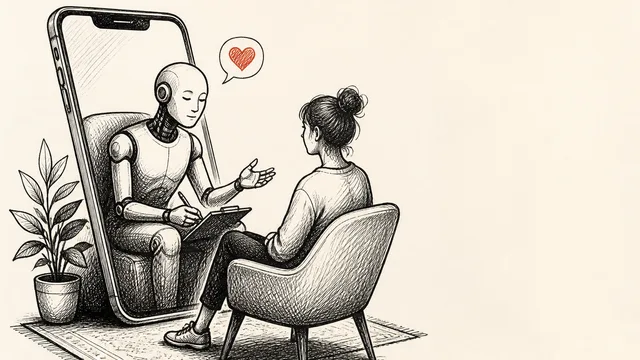
AI therapists are moving from novelty to norm, especially for younger users. Here's what's driving that shift—and what remains genuinely unresolved.
What's Breaking Through
How AI systems are disrupting intimate relationships by replacing human trust and counsel with algorithmic guidance.
2 articles in this topic · tracking 3 signals across 1 source feed
About this topic
As artificial intelligence becomes more accessible and conversational, couples are increasingly turning to AI systems for relationship advice, relationship counseling, and decision-making support. This trend raises fundamental questions about trust, intimacy, and what it means to rely on algorithms for deeply personal matters. The articles in this cluster examine how delegating relationship guidance to AI may actually erode the human connection and communication skills that healthy partnerships require.
The core concern is that AI-mediated advice creates a false sense of objectivity and authority in domains where human judgment, emotional understanding, and relational context are irreplaceable. When partners consult an AI instead of each other, or when they outsource conflict resolution to a chatbot, they bypass the difficult but necessary work of direct communication. AI systems, no matter how sophisticated, lack the embodied understanding of love, commitment, and mutual vulnerability that comes from lived experience. They can offer logical frameworks and pattern-matched responses, but they cannot truly understand the nuances of a specific relationship or the weight of emotional stakes involved.
Beyond the mechanics of advice-giving, there's a deeper issue around trust itself. Relationships fundamentally depend on partners trusting one another with their vulnerabilities and uncertainties. When an AI becomes the intermediary or the source of wisdom, it displaces that interpersonal trust. Moreover, AI systems are trained on aggregate data and may reinforce stereotypical relationship models rather than supporting the unique needs of individual couples. The articles suggest that while AI can offer information or perspective, it should not become a substitute for the hard, human work of understanding and being understood by the person you've committed to.
BuzzRAG Coverage
AI therapists are moving from novelty to norm, especially for younger users. Here's what's driving that shift—and what remains genuinely unresolved.
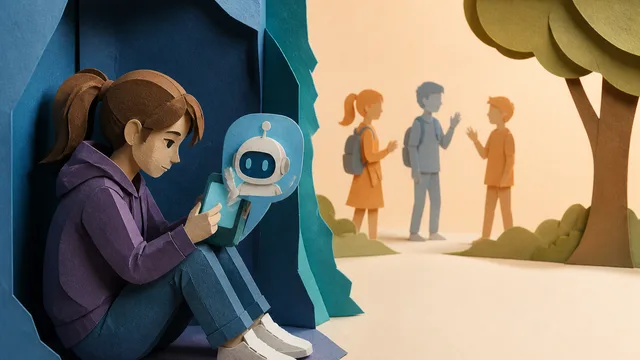
AI companions promise teens a safe space to connect—but do they help with real-world social skills or quietly replace them? Here's what the research actually says.
3 signals from source feeds

Psychology Today
Psychology Today
Psychology Today
These are external articles in the Growth desk that match this topic. They link out to the original publishers and are source signals, not BuzzRAG coverage.