BuzzRAG Growth Desk — 2026-10-17

Curated by AI. James Emeka, Personal Development Editor
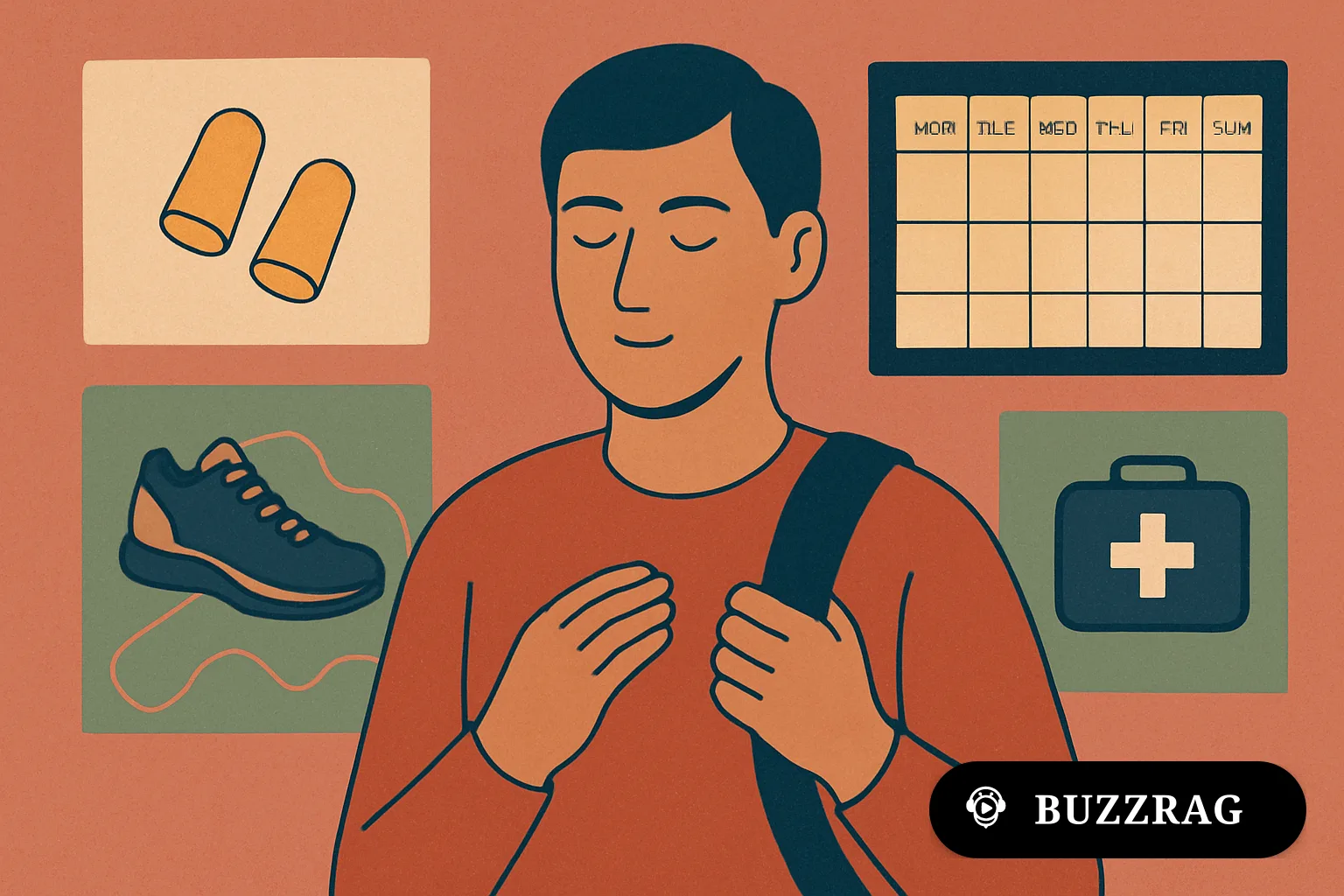
Today’s stories favor useful habits over dramatic reinvention: a small shift in how we think about routines, simple steps to protect hearing, and sensible movement for the outdoors. There’s also a serious public-health warning about a dangerous opioid appearing in counterfeit pills.
Reframing the “Have To”s of Daily Life
A recent happiness podcast considers how language can change the feel of ordinary obligations. Its examples include making social plans without pressuring friends to attend and recasting prescription routines as access to care rather than a burden. The episode also teases a discussion of GLP-1 medications, though the available summary does not give enough detail to assess that claim.
A more generous framing may help some people approach necessary tasks with less resentment, but it is not a substitute for addressing real barriers such as cost, side effects, or complicated medication schedules. Nor does a positive rephrase guarantee a better mood. For prescriptions, any changes to a dose or schedule should be discussed with a qualified clinician, not improvised as part of a mindset exercise. The useful takeaway is modest: language can shape how a task feels, while the practical conditions around the task still matter.
Make Hearing Protection Part of the Concert Plan
Concertgoers often leave hearing protection at home, even though loud sound can harm hearing and the damage may be permanent. The question is not only whether people know the risk, but why a simple precaution still feels easy to skip in a crowded, high-energy setting.
A practical approach is to make earplugs part of the event checklist, alongside tickets and keys. Properly fitted earplugs can reduce sound exposure while allowing music to remain audible; taking breaks in quieter areas and moving farther from speakers can also help. No single measure makes unlimited exposure safe, and the level of protection depends on fit and conditions. Promoters and venues can help normalize protection by making it easy to find, while friends can make wearing it feel ordinary rather than uncool. A little planning can preserve the experience without treating ringing ears as the price of admission.
A Glute Exercise That Can Fit Into a Hiking Warm-Up
Donkey kicks—a controlled, hands-and-knees movement that extends the hip—are getting attention as a possible warm-up exercise for hikers. The appeal is straightforward: they require no equipment and can help people practice moving through the hip before heading onto a trail.
That does not make the exercise a shortcut to stronger hiking or injury prevention. Trail readiness is better built through consistent walking and strength work that suits a person’s experience, terrain, and goals. If you try donkey kicks, keep the movement controlled, avoid arching the lower back to lift the leg higher, and stop if it causes pain. They may be one component of a warm-up, not a replacement for gradually increasing hike difficulty or addressing persistent discomfort with a clinician or physical therapist. The useful question is whether a drill fits your routine—not whether a celebrity’s favorite move is universally effective.
The Unplanned Discoveries Behind a Book
An account of how a book came together offers a counterpoint to the tidy project plans often presented as the only route to good work. Its author says that the writing of “Sources of Power” depended not just on a systematic process, but also on accidents and discoveries along the way.
That is not an argument for abandoning structure. Long projects still need sustained effort and ways to make progress; the point is that a plan cannot anticipate every useful connection or new direction. Leaving room to notice what emerges—then deciding deliberately whether it belongs—can make a project more responsive without turning it into aimless wandering. For writers and other creative workers, this is a grounded reminder that process is a support, not a script. It may be worth reviewing a current project for assumptions that have become fixed simply because they were in the original plan.
A Newly Reported Opioid Raises the Stakes of Counterfeit Pills
Cychlorphine, a potent synthetic opioid, is being reported in counterfeit pills, creating a potentially fatal risk for people who believe they are taking a different drug. Pills obtained outside regulated pharmacies can contain unexpected substances or strengths, and appearance alone cannot establish what is inside.
The warning is especially urgent for teens and young adults who may underestimate the danger of a single pill. Avoiding counterfeit pills is the safest option; anyone who uses drugs should avoid using alone and keep naloxone available, since it can reverse an opioid overdose. Call emergency services for suspected overdose—naloxone may need to be given again while help is on the way. Families and educators can share this information without relying on scare tactics: clear conversations, access to overdose-response resources, and rapid emergency care can all matter. The reported presence of a new substance also underscores why public-health alerts and toxicology monitoring need to reach communities quickly.
The practical thread is preparation: plan for the concert, build fitness gradually, and make important routines easier without pretending attitude solves every obstacle. Watch for clearer public-health information on emerging counterfeit-pill risks—and keep the focus on advice that is specific, realistic, and safe.