BuzzRAG Growth Desk — 2026-10-08

Curated by AI. James Emeka, Personal Development Editor
Today’s stories focus on how people respond to difficult transitions: rebuilding after trauma, listening more attentively, and finding one’s footing after an intense outdoor experience. A timely health reminder also puts trail precautions in perspective without treating a rare infection as a reason to avoid the outdoors.
Looking Beyond the Labels Around Columbine
A story revisits people on the margins of the Columbine tragedy, shifting attention from the shorthand labels that followed the event to experiences of trauma, isolation, and survival. The framing suggests an effort to understand how people can be misread when public narratives flatten a complicated community into a single image.
That perspective calls for care: exploring the needs and histories of people affected by violence is not the same as excusing harm or claiming that warning signs make tragedy predictable. The most useful accounts make room for survivors’ experiences while resisting sensationalism and simplistic explanations. For readers, the piece is a reminder to approach stories of school violence with empathy and precision, and to recognize that stigma can obscure genuine distress. Any conclusions about causes or prevention should be grounded in credible reporting and research, not hindsight alone.
Listening Skills That Help Friendships Grow
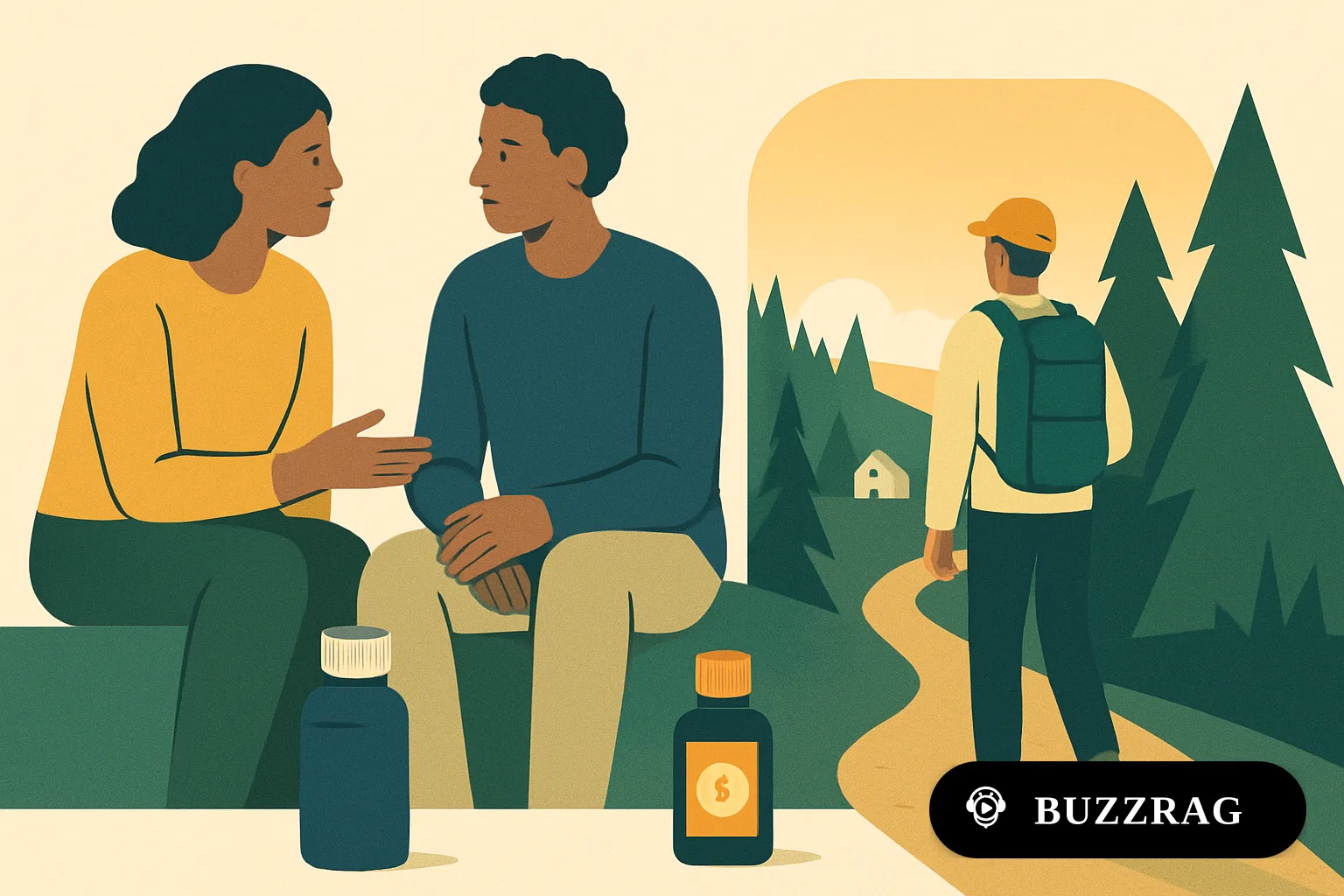
Strong friendships are built not only through what people share, but through how they respond when someone else is talking. This guide emphasizes practical behaviors: asking thoughtful follow-up questions, showing attention, and trying to understand another person’s perspective rather than rushing to offer advice or redirecting the conversation.
These habits are useful, but they are not a script for every exchange. Good listening includes noticing whether a friend wants empathy, questions, or help solving a problem, and checking rather than assuming. Reflecting back the central point can help prevent misunderstandings, while respectful pauses give someone room to continue. None of this guarantees closeness; trust also depends on reliability, boundaries, and mutual effort over time. Still, practicing attention in ordinary conversations can make relationships feel more reciprocal—and gives people a concrete place to start when they want to show up better for friends.
Why Returning Home After an Adventure Can Feel Difficult
Coming back from a wilderness trip can bring an unexpected emotional letdown. The everyday routines, relationships, and responsibilities waiting at home may look unchanged, while the traveler’s priorities or sense of perspective have shifted. The contrast can make re-entry feel harder than expected, even after an experience that was rewarding.
That reaction does not automatically signal a mental health problem or mean a person should make dramatic life changes. Rest, time to reconnect with ordinary routines, and conversations with people who understand the trip can help make the transition less abrupt. It may also be useful to identify which parts of the experience mattered most—time outdoors, challenge, solitude, or companionship—and find realistic ways to bring more of them into regular life. If distress persists or interferes with daily functioning, seeking support is a sensible step. The aim is not to recreate the adventure, but to understand what it revealed and carry that insight home.
Plague Precautions for Hikers in the American West
A reported plague death in Siberia has drawn attention to Yersinia pestis, the bacterium that causes plague. The pathogen also circulates naturally among some wildlife populations in parts of the American West, so the risk is relevant to backcountry visitors—but its presence does not mean that infection is common or that hikers should avoid the outdoors.
Practical precautions focus on limiting contact with rodents and fleas: avoid handling sick or dead wildlife, keep pets away from wild animals, and use insect repellent as directed. Hikers should follow local public-health guidance, especially in areas where officials have reported activity. Plague is treatable with antibiotics, but prompt medical care matters; anyone who develops concerning symptoms after a possible exposure should contact a clinician and mention the exposure. Clear, proportionate advice helps people make informed choices without turning a rare, serious disease into a generalized fear of outdoor recreation.
The common thread is practical attention: to other people’s experiences, to our own transitions, and to the risks we can actually manage. Watch for guidance grounded in evidence as these conversations develop, especially where mental health, trauma, or outdoor safety can be oversimplified.