BuzzRAG Growth Desk — 2026-10-03

Curated by AI. James Emeka, Personal Development Editor
Today’s personal-development conversation ranges from the small choices that shape relationships to bigger questions about mental health and institutional responsibility. A useful thread runs through the mix: practical advice can help, but it should be matched to the evidence and to the person using it.
Make Room for Play—and More Direct Communication
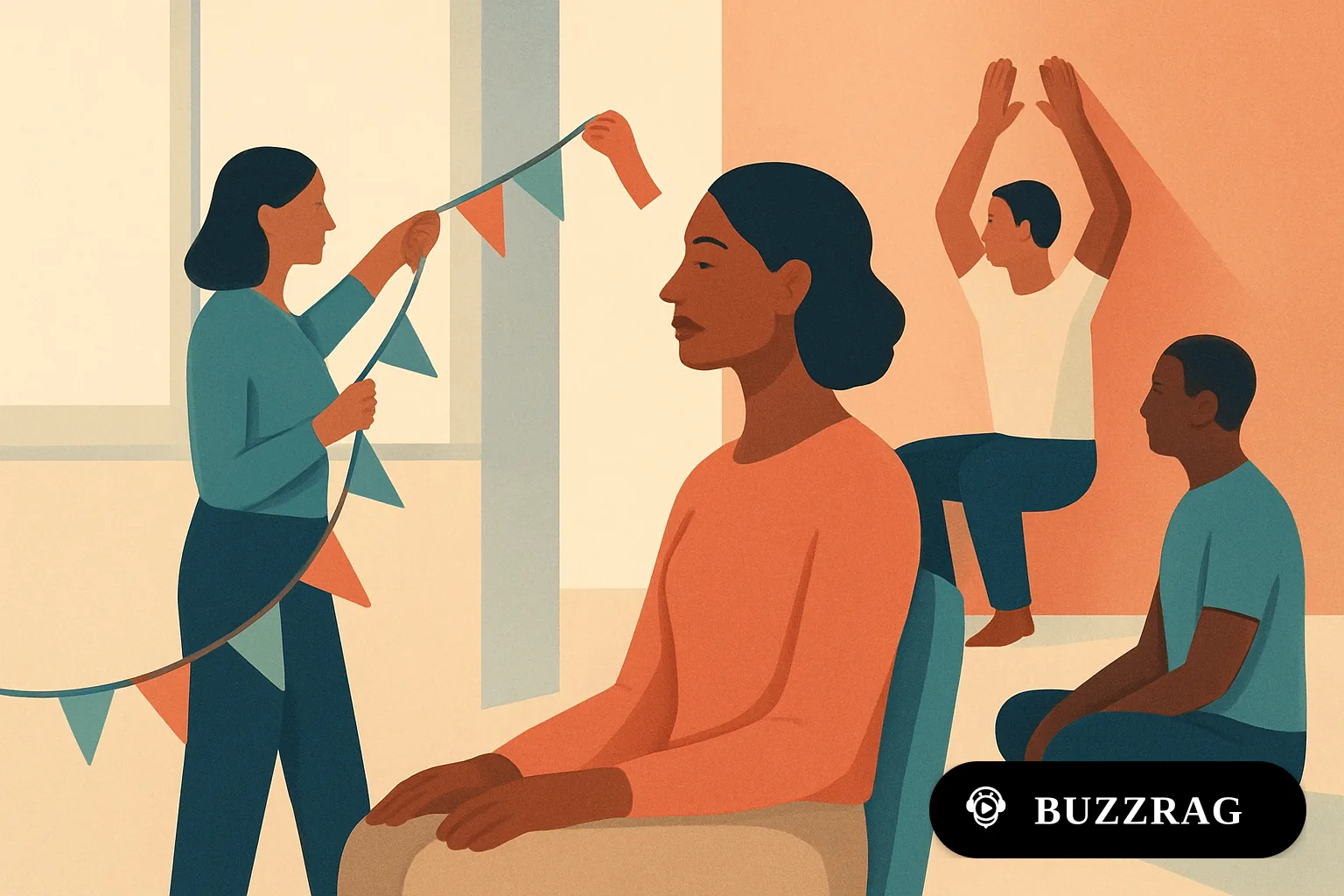
A new episode of More Happier pairs a light party-planning idea with a more serious observation about how couples can get stuck in arguments. Choosing a theme, the hosts suggest, can turn a list of logistics into a shared creative project. The episode also considers a communication pattern in which one person minimizes a concern and the other responds with greater intensity.
That dynamic is a useful prompt for reflection, not a diagnosis or a universal recipe for resolving conflict. When someone feels dismissed, the disagreement may become about whether their feelings count rather than the original issue. Naming what each person heard, and asking what the other meant before escalating, can make a conversation clearer. A party theme may add enjoyment to a task, but the broader lesson is more grounded: small rituals can create connection, while respectful listening helps keep friction from becoming the whole story.
Meditation Can Be Adapted for Busy or Anxious Minds
Meditation is often presented as a matter of sitting still and quieting the mind, but that framing can make the practice feel frustrating—or even distressing—for people living with anxiety, PTSD, or OCD. This article, featuring mental-health advocate Dr. Kyle Elliott, addresses readers whose thoughts do not settle on command and challenges the idea that difficulty meditating means they are doing it wrong.
There is no single format everyone has to use. Shorter practices, keeping the eyes open, focusing on sounds or physical sensations, or choosing gentle movement instead of stillness may be more workable options; anyone who finds meditation intensifies distress can pause and seek guidance from a qualified clinician. Meditation is not a substitute for evidence-based mental-health care, and a technique that helps one person may not suit another. Making room for alternatives is a practical way to keep mindfulness from becoming another test people feel they have failed.
Children Need More Than Reassurance About Their Worth
A Psychology Today-corroborated article highlights how parents’ harsh or careless comments may stay with children long after adults have forgotten saying them. The underlying concern is not that every imperfect remark causes lasting damage, but that repeated criticism or contempt can shape how a child interprets their abilities, mistakes, and place in the family.
A grounded response is to make feedback specific and behavior-focused: address what happened without turning it into a judgment about who the child is. When a parent says something hurtful, acknowledging it and repairing the interaction can matter more than insisting the child should simply move on. The brief source description does not provide study details, so it cannot establish how common or lasting any particular effect is. Still, it points toward a useful everyday practice: communicate boundaries without making a child’s value feel conditional on getting everything right.
Building Confidence at the Gym Starts With Manageable Goals
A guide promising more confidence at the gym is trending, but its available preview offers little beyond encouragement. That is not enough to assess what advice it gives or whether it is supported by evidence. The more dependable starting point is to treat confidence as something that can grow through familiarity and achievable practice, rather than a feeling people must have before they begin.
For someone new to a gym, a simple plan—such as learning a few movements, asking staff about equipment, or choosing a quieter time—can reduce uncertainty. Progress can be measured by consistency and comfort, not by comparison with other people or by how intense a session looks. These are practical suggestions, not a claim about the contents of the article. Readers should be wary of any guide that turns ordinary discomfort into a flaw or promises rapid transformation; the preview here does not provide enough detail to judge its recommendations.
Consent Education Needs Institutional Accountability
A trending argument says teaching consent is necessary but cannot, by itself, end sexual violence. The issue is framed as both interpersonal and systemic: institutions can influence whether people are protected, whether reports are taken seriously, and whether those who cause harm face meaningful consequences. That shifts the focus from individual behavior alone to the conditions surrounding it.
Consent education can help people understand communication and boundaries, but prevention also depends on clear policies, accessible reporting, fair investigations, and support that does not place the burden on survivors. The short description does not lay out a specific study or proposed reform, so it should be read as a broad analysis rather than a quantified finding. Its central challenge is still important: institutions should be judged not just by the lessons they teach, but by how they respond when someone reports harm and whether their practices reduce opportunities for abuse.
A Weekly Wall-Squat Session May Preserve Some Blood-Pressure Gains
A small exercise trial suggests that one weekly wall-squat session may preserve some blood-pressure improvements for a month after participants first trained three times a week for four weeks. The result offers a limited hint about maintaining gains when a more frequent routine becomes difficult, but it does not show that once-weekly exercise is an effective starting plan.
That distinction matters: the finding concerns maintenance after an initial training period, and the reported window is short. It also should not be treated as individualized medical advice or a replacement for prescribed treatment. Wall squats are an isometric exercise, and blood-pressure responses can vary; people with health conditions or concerns should check with a qualified health professional before changing their routine. The useful takeaway is modest rather than sweeping: consistency may matter even when training frequency changes, but larger and longer studies are needed to establish who benefits and how durable the effect is.
What Does a “Collective Nervous System” Mean?
A brief, question-led item invites readers to consider what it might mean to investigate a “collective nervous system.” The phrase suggests that stress and calm can be shaped by social surroundings as well as individual biology: people react to shared events, group expectations, and the emotional tone of the spaces they inhabit. But the preview does not define the concept or explain what evidence the article brings to it.
That makes careful reading essential. Metaphors about collective regulation can open a thoughtful discussion of social connection and shared stress, but they should not be mistaken for a literal diagnosis or an established clinical mechanism without supporting research. Useful questions include how the idea is being measured, which groups or settings are under discussion, and whether the author distinguishes physiological findings from broader social interpretation. Until those details are clear, the phrase is best treated as a prompt for inquiry rather than a ready-made self-help framework.
The strongest ideas today resist one-size-fits-all fixes: adapt practices to real needs, repair communication, and ask institutions to take responsibility. Watch for more precise evidence on exercise maintenance and for mental-health guidance that explains both its limits and who it may help.