BuzzRAG Gaming Desk — 2026-11-02

Curated by AI. Kai Tanaka, Gaming Desk Editor
Today’s conversation sits at the boundary between games and the wider screen: actors are physically transforming for game adaptations, while filmmakers contend with expectations around familiar properties. A reminder of CD-ROM edutainment’s cultural footprint and a co-op indie’s growing audience round out a day about how interactive media keeps finding new ways to reach people.
Bautista bulks up for the God of War adaptation
Dave Bautista says he has gained 20 pounds of muscle to play Kratos in the God of War series. The physical transformation is a headline-grabbing detail, but it also signals the production’s challenge: translating a game protagonist whose imposing presence is central to his identity into a live-action performance.
Game adaptations are judged against more than plot. Fans arrive with years of visual expectations, while a television series has to make its characters and world work for viewers who may never have picked up a controller. Bautista’s preparation puts the body itself at the center of that translation, though weight gain alone can’t tell us how the series will handle the character’s voice, relationships, or more intimate moments. The performance will have to carry both the mythic scale and the human stakes. For now, the reveal offers a glimpse of the physical commitment involved, not a verdict on whether the adaptation can make the character feel fully realized on screen.
A Resident Evil director pushes back on the adaptation conversation
Horror filmmaker Zach Cregger says he was frustrated that discussion around his Resident Evil film had little to do with the movie itself. His complaint points to a familiar pressure for adaptations: before audiences see a finished work, debate can get consumed by the name, the existing fan expectations, and what the project might owe its source.
That friction matters because game adaptations are asked to satisfy two audiences at once. Longtime players bring detailed ideas about tone and fidelity; newcomers need a film that stands on its own rather than functioning as a checklist of references. Cregger’s comments don’t settle what his version will deliver, and the available details here don’t establish how the film will balance those demands. They do make clear that the conversation around a recognizable game property can become its own obstacle for a filmmaker. The sharper test will be whether the finished movie gives audiences something substantial to discuss beyond its relationship to the games.
Remembering Patrick Stewart’s place in CD-ROM edutainment
A new retrospective turns attention to Patrick Stewart not just as a screen performer, but as a familiar voice in the era of multimedia CD-ROM encyclopedias and educational software. The piece asks readers to remember the scholar-like presence that could guide a user through information on a computer, when interactive reference discs promised a more vivid alternative to turning pages.
That history is easy to overlook now that learning software lives on the web and in apps, but CD-ROM edutainment helped make computers feel like places to explore, not only tools for work. A recognizable narrator could give a sprawling collection of text, images, and clips a sense of cohesion—and make the interface feel welcoming. The format was constrained by storage and technology, yet its mix of browsing and audiovisual material helped shape expectations for interactive media. Revisiting Stewart’s contribution is also a reminder that games and adjacent forms of digital storytelling share a history: sometimes the lasting feature was not a mechanic, but the voice that made curiosity feel guided.
Moon Sweepers passes 600,000 players, with more planned
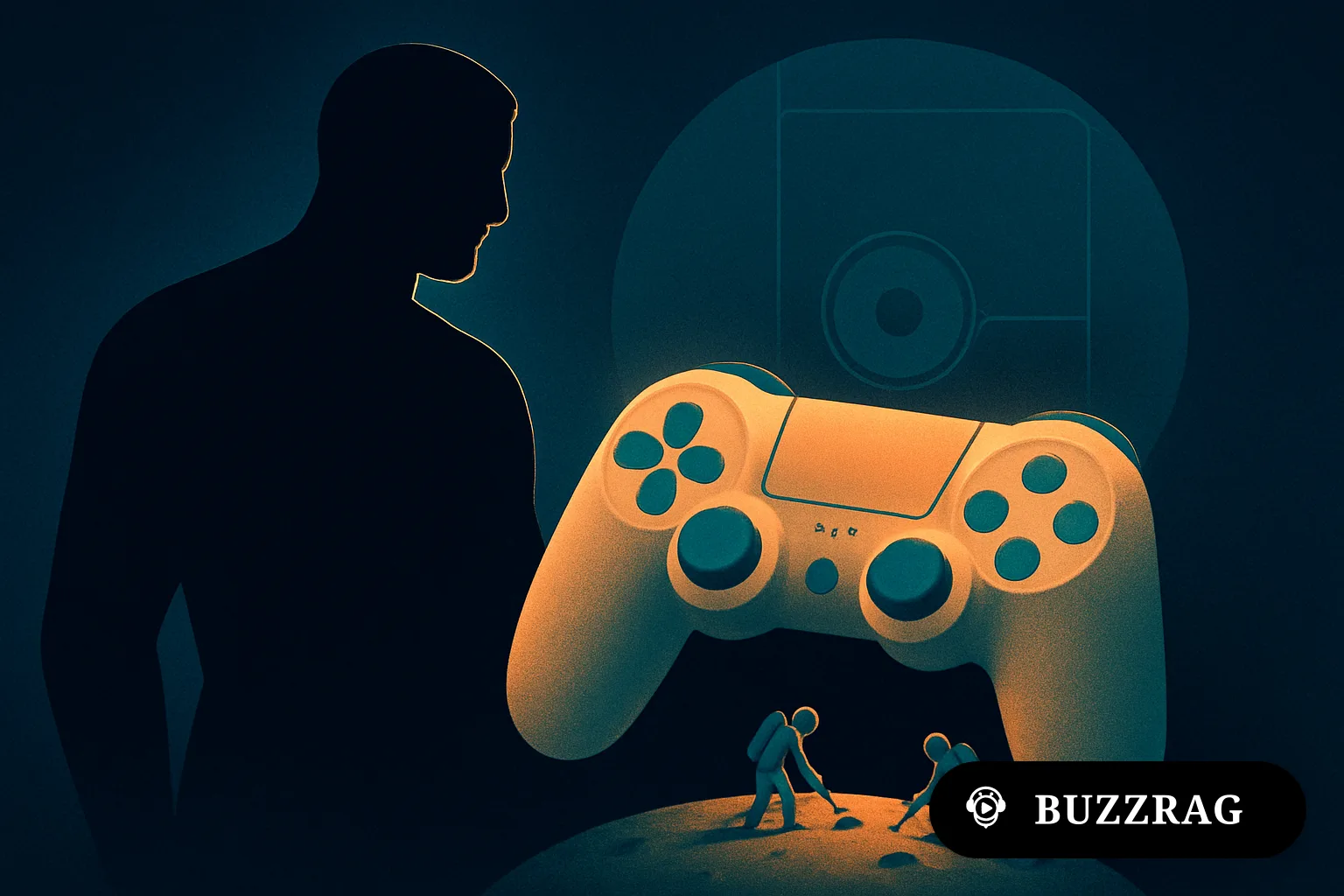
Co-op space-cleanup game Moon Sweepers has surpassed 600,000 players, and its developer says the project is “nowhere near finished.” The milestone suggests the game has found a substantial audience for its collaborative cleanup premise, while the studio’s message frames the current release as the beginning of a longer development journey.
A large player count is encouraging for an indie team, but it also raises the bar for what comes next. Players will want to know how the game will grow, what kinds of additions are planned, and whether updates can maintain the cooperative appeal that brought people aboard. The available announcement offers a broad promise rather than a roadmap, so the number alone doesn’t tell us how many players remain active or what the team’s next priorities are. Still, reaching this scale gives the developers a real community to build with—and makes clear that smaller games can break through when a clear, shareable activity gives friends a reason to play together.
The next useful signals will be how the adaptation teams turn familiar game worlds into compelling screen stories, and whether Moon Sweepers’ ambition becomes a concrete plan for its growing community. Meanwhile, the CD-ROM retrospective is a reminder that interactive media’s history is built from voices and formats that can fade from view even as their influence persists.