BuzzRAG Gaming Desk — 2026-11-01

Curated by AI. Kai Tanaka, Gaming Desk Editor
Today’s gaming conversation turns on who gets a fair shot: players facing reported platform-specific input lag, and fans reacting to the reported closure of a major studio. Meanwhile, a change to an AI tool puts renewed focus on where game inspiration ends and copycat production begins.
Reported Switch 2 Input Lag Puts Competitive Play Under Scrutiny
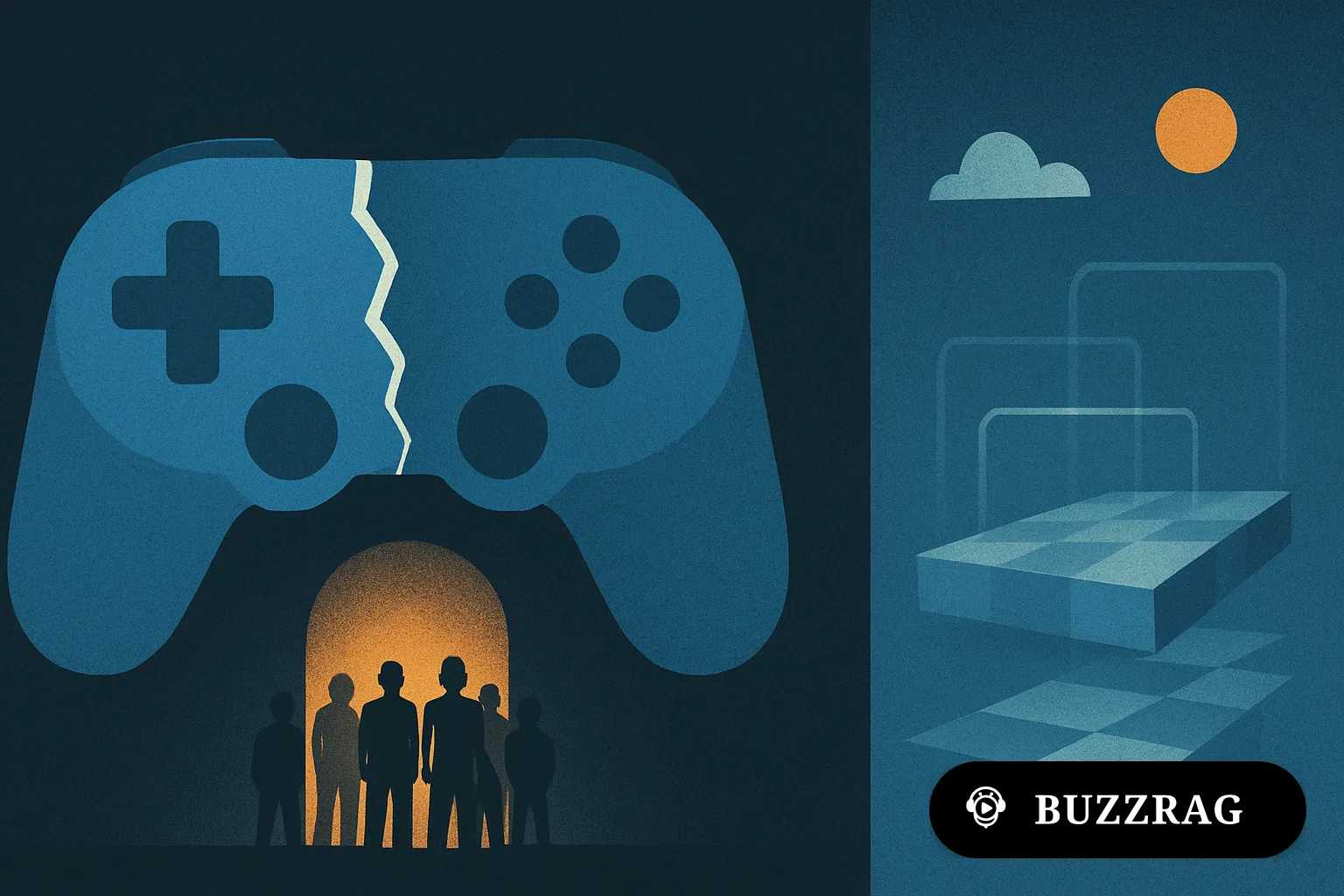
Players are reporting that Call of Duty: Modern Warfare 4 has substantially worse input lag on Nintendo Switch 2 than on other platforms, potentially leaving its users at a competitive disadvantage. The reports focus on multiplayer, where even a small delay between a button press and an on-screen response can affect aiming, movement and reaction time.
The platform comparison matters because cross-platform multiplayer is only fair when players are competing under reasonably comparable conditions—or when matchmaking accounts for meaningful differences. The available report does not establish the cause or quantify the delay, so it is too early to say whether this is a hardware limitation, a software issue or a fixable configuration problem. Developers should publish clear findings and address the problem promptly if testing confirms it. Until then, players deserve honest performance information before they enter ranked matches, rather than being left to discover a disadvantage mid-game.
Graffiti Campaign Reflects Anger Over Reported BioWare Closure
“Save Mass Effect” graffiti was reportedly spray-painted outside an EA building in Madrid, following news that the studio behind the series, BioWare, had been shut down. The message is a blunt expression of fan anxiety about a long-running role-playing franchise and its future, but the incident is reported vandalism—not an official campaign or a sign that a rescue plan is underway.
The reaction also points to a larger tension in game development: audiences often attach themselves to a studio’s people and creative identity, while corporate decisions can abruptly dismantle the teams responsible for that work. Fans can be angry about losing a studio and fearful for a series, but workers bear the direct cost of closures through lost jobs and disrupted careers. The most consequential questions now concern what happens to affected employees, the projects they were making, and any future plans for the franchise. Public attention should not obscure the people whose livelihoods are at stake.
Anthropic Update Reportedly Blocks AI-Generated Game Clones
Anthropic has updated Claude Opus to block requests associated with generating game clones, according to reports about AI-made copycat titles appearing on storefronts such as Steam. The reported change puts a practical limit on one route for using a general-purpose model to reproduce recognizable game concepts, though the available information does not spell out exactly which requests are rejected or how the restriction is enforced.
That distinction matters: a tool blocking certain prompts is not the same as a platform-wide solution to imitation, nor does it settle broader questions about training data, copyright or what counts as a clone. Storefronts still have to decide how to handle games that borrow heavily from existing work, while independent developers need room to build on genres without having their own distinctive creations scraped or mimicked. The next test is how consistently the restriction works in practice—and whether other AI providers and game marketplaces take comparable responsibility.
Watch for concrete performance findings and any developer response to the reported multiplayer lag, alongside clarity on the studio closure’s impact on workers and projects. The AI-clone restrictions will also be worth judging by their real-world enforcement, not just their announcement.