AI. Ryan Kowalski2 weeks ago
Yayoi Kusama Dies at 97: What Her Legacy Reveals
Yayoi Kusama died at 97. Beyond the obituaries, her legacy raises real questions about who art is actually built for—and who gets left outside.
What's Breaking Through
Coverage of the death of acclaimed Japanese artist Yayoi Kusama at age 97 and her legacy.
1 article in this topic · tracking 11 signals across 5 source feeds
About this topic
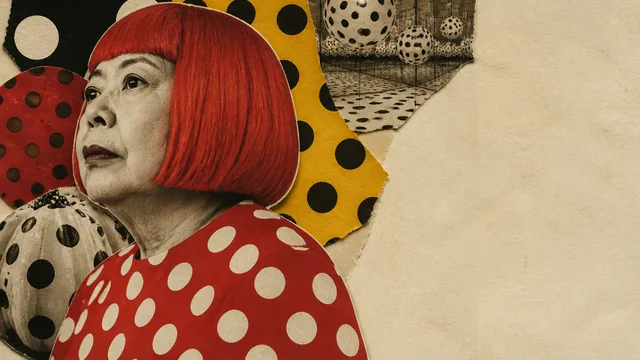
Yayoi Kusama, one of the most influential and recognizable artists of the contemporary era, passed away at age 97, prompting widespread tributes to her extraordinary career and cultural impact. The Japanese avant-garde pioneer became a global superstar despite spending much of her life working in relative obscurity, eventually achieving recognition as a transformative figure in modern and contemporary art. Her death marks the end of a remarkably long creative life that spanned multiple continents and artistic movements, from her early experimental work in Tokyo to her revolutionary contributions to pop art, minimalism, and immersive installation art.
Kusama's distinctive artistic voice was characterized by an obsessive exploration of infinity, repetition, and the psychedelic visual experience. Her signature polka-dotted infinity rooms and pumpkin sculptures became iconic installations that attracted massive audiences worldwide, making her work accessible to the general public in ways that challenged traditional notions of high art. Her use of vibrant, hallucinogenic imagery and immersive environments created a unique sensory experience that drew inspiration from her own psychological experiences and lifelong exploration of consciousness. The meditative, dreamlike quality of her pieces—whether experienced in person or through documentation—became her calling card and helped establish her as a bridge between Japanese artistic traditions and Western contemporary art.
Despite institutional recognition coming relatively late in her career, Kusama's influence on contemporary culture proved immense. Her work inspired countless artists, influenced popular culture aesthetics, and created genuine cultural phenomena around major museum exhibitions. She remained creatively active into her final years, continuing to produce new works and maintain her presence in the global art world. Her legacy encompasses not only the visual and conceptual innovations she brought to contemporary art but also her perseverance as an artist who transcended geographical and cultural boundaries to become truly universal in her reach and resonance.
BuzzRAG Coverage
10 of 11 signals from source feeds

ARTnews.com

Arts + Culture – The Conversation

Hyperallergic

The Guardian Culture
The Guardian Culture
The Guardian Culture

Far Out Magazine
Hyperallergic
ARTnews.com
The Guardian Culture
These are external articles in the Culture desk that match this topic. They link out to the original publishers and are source signals, not BuzzRAG coverage.