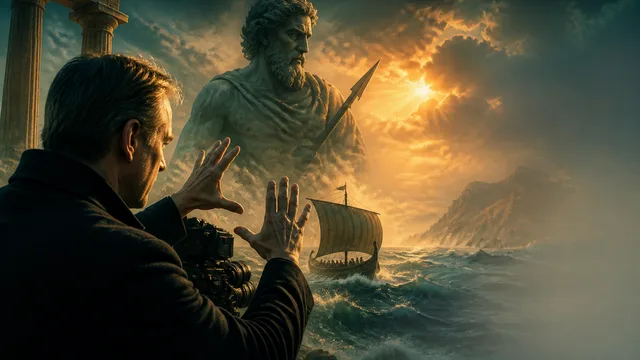
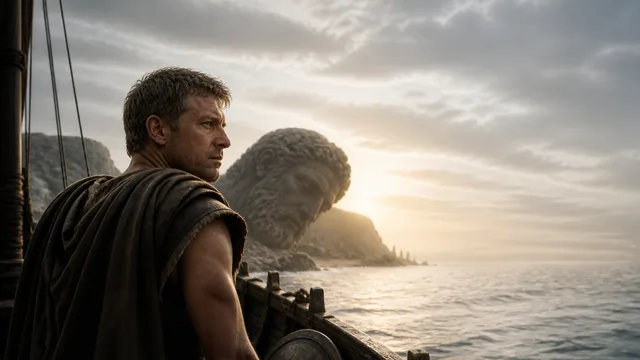
Homer's Odyssey continues to captivate modern audiences as creators across film, television, and literature mine the ancient epic for contemporary storytelling. The cluster of cultural commentary and production news reflects a broader fascination with how timeless narratives about heroic journeys, displacement, and homecoming resonate with 21st-century viewers and readers. Christopher Nolan's upcoming film adaptation represents the most high-profile recent entry into this tradition, signaling that even blockbuster filmmakers see profound storytelling potential in the 2,700-year-old text.
The prevalence of Odyssey-inspired works speaks to the epic's remarkable cultural flexibility. Writers and producers have found that its core themes—struggle, transformation, and return—translate readily into diverse genres and settings. From fantasy epics like Game of Thrones to the surreal landscapes of Australian television, the Odyssey's narrative DNA appears everywhere, often reimagined in postmodern registers that emphasize fragmentation, uncertainty, and revisionist interpretations rather than straightforward heroic narratives. This modernized approach suggests contemporary audiences are less interested in celebrating classical ideals than in exploring how ancient stories can interrogate and complicate our current moment.
For those engaging with these adaptations, questions about source material inevitably arise. What translation of Homer best serves readers seeking to understand the original text before experiencing its cinematic or televised reimagining? Such considerations highlight the symbiotic relationship between classical scholarship and popular culture. As Nolan and other creators bring the Odyssey to new audiences, interest in the foundational text itself resurges, creating a conversation between ancient literature and modern adaptation that enriches both. The cluster of recent activity around Odyssey adaptations ultimately reflects how canonical works continue to shape creative culture while simultaneously being reshaped by each generation's interpretive needs.