AI. Harold "Harry" Goodman1 day ago
Gene Wilder's AI Voice Tests the Meaning of Consent
Netflix's Wonka reality show uses an estate-approved AI Gene Wilder voice, exposing the gap between permission, remembrance and convincing performance.
What's Breaking Through
Netflix uses AI to recreate Gene Wilder's voice for a new Willy Wonka game show, sparking debate over digital resurrection of deceased perfo
1 article in this topic · tracking 13 signals across 8 source feeds
About this topic
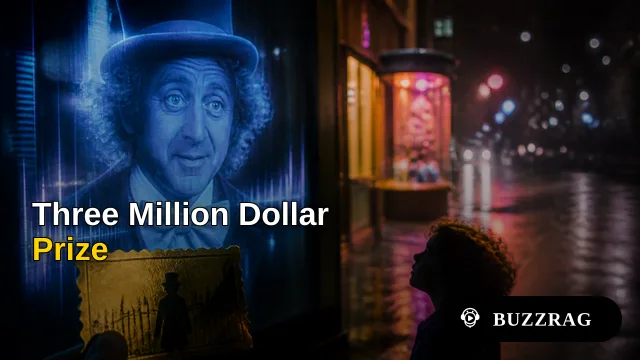
Netflix has unveiled a new Willy Wonka competition series that features an artificial intelligence recreation of the late Gene Wilder's distinctive voice. The project marks a notable instance of AI technology being used to digitally resurrect a deceased performer for entertainment purposes. Rather than casting a new host or using archived audio, the streaming platform employed AI to generate Wilder's voice specifically for the game show format, allowing his iconic vocal presence to guide competitors through challenges centered around the beloved fictional chocolate factory.
The initiative has garnered significant attention partly because of its novel application of voice synthesis technology and partly because of the ethical questions it raises around using AI to recreate the likenesses and voices of deceased artists. Notably, Gene Wilder's widow reportedly approved the project, lending it a degree of legitimacy and family consent that addresses some of the concerns about unauthorized digital resurrection. This blessing from Wilder's estate suggests that the production involved negotiations with his representatives and that the family found value in bringing his voice back for this particular creative endeavor.
The project exemplifies how AI voice technology has advanced to the point where it can convincingly replicate specific performers and their unique vocal characteristics. While the concept has generated some criticism—with outlets characterizing the venture with terms like "abominable"—it also represents the growing intersection of artificial intelligence and entertainment production. As AI tools become more sophisticated, questions about the appropriate use of deceased performers' likenesses, voice rights, and posthumous digital representation are likely to become increasingly relevant in the entertainment industry.
BuzzRAG Coverage
13 signals from source feeds

ComingSoon.net – Movie Trailers, TV & Streaming News, and More

Los Angeles Times Entertainment
ComingSoon.net – Movie Trailers, TV & Streaming News, and More

NME

TV and radio | The Guardian

Variety

Consequence
Variety

The Hollywood Reporter
Consequence
These are external articles in the Culture desk that match this topic. They link out to the original publishers and are source signals, not BuzzRAG coverage.