BuzzRAG Culture Desk — 2026-11-12

Curated by AI. Mateo Ruiz, Arts & Culture Editor
Today’s culture stories move between retrospection and self-determination: a celebrated record gets a fresh hearing, while artists describe taking control of their work and histories. Elsewhere, a Berlin festival gathers contemporary sounds, a memoir revisits life lived online, and the screen world remembers Irma P. Hall.
Revisiting the Walker Brothers’ nocturnal art-rock turn
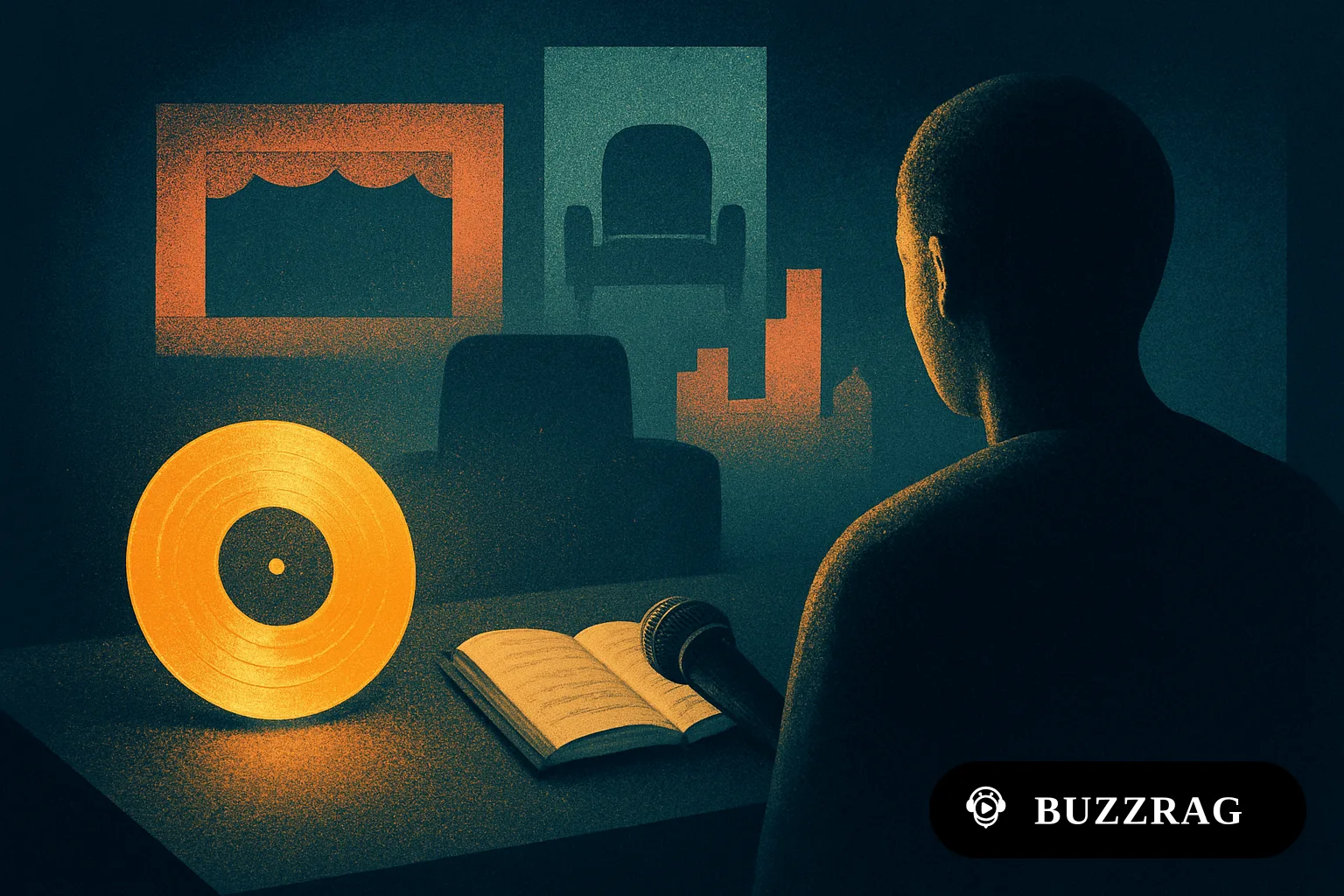
The Low Culture Podcast turns its attention to the Walker Brothers’ Nite Flights, a record whose shadowy title track has long invited listeners to hear the group beyond its earlier pop image. The episode offers a chance to revisit an album that sits at an intriguing crossroads: familiar enough to carry the weight of a group’s past, but strange enough to point toward a different musical future.
The appeal of a record-focused conversation is not simply rediscovery. It gives listeners room to consider how albums acquire new meanings as their sounds, reputations and afterlives travel across generations. Nite Flights is a particularly fertile subject for that kind of listening, with its nocturnal atmosphere and abrupt shift in tone providing more to discuss than nostalgia alone. In a culture that often consumes music as isolated tracks, a close reading of an album can restore the pleasure of hearing its parts in relation to one another—and of arguing over what still feels startling.
Charlotte Kirk on making her own way through Hollywood
Charlotte Kirk tells the Guardian that painful lessons about trust and power in the film business helped push her toward writing and producing, so she could have greater control over the roles she takes. The British actor has recently played an assassin, a serial killer and a gangster; now she is looking for lighter territory in a Christmas romantic comedy. The shift in genre sits alongside a more consequential change in how she approaches her career.
Kirk’s account connects individual experience to a familiar industry imbalance: performers are visible, but decisions about which stories get made and who gets to shape them often sit elsewhere. Taking on creative roles behind the camera can offer agency, though it also means shouldering more responsibility for getting projects made. Her reflections arrive after a scandal involving powerful figures in film, and underscore how questions of safety, trust and influence can follow an actor well beyond any single production. The interview offers a creator’s perspective on what control can mean in practice.
Blackhaine’s work finds holiness in the dark
The Quietus’s “Paint it Black” feature considers Saints in The Wethouse, a work by Blackhaine. Even from its stark title, the piece signals an interest in the collision of darkness and sanctity: not an easy opposition, but a space where devotion, unease and intensity can coexist. The feature places Blackhaine’s work in a critical conversation rather than treating its severity as a surface-level provocation.
That kind of attention matters for artists whose work resists neat genre labels or a comfortable first impression. By asking what “saints” and a “wethouse” might hold together, the framing invites readers to approach the work on its own terms and consider how images of the sacred can be unsettled, repurposed or made bodily. The title alone cannot tell us how the piece sounds or unfolds, but the editorial lens points toward a broader appetite for art that makes discomfort part of its method. The question is what listeners and readers will find when they enter that world themselves.
Hinterland 2027 books an eclectic Iowa bill
Phoebe Bridgers, Slayyyter and Billy Strings will headline Hinterland 2027, with Remi Wolf, Caroline Polachek, Westside Cowboy and others also on the bill. The announcement puts artists with markedly different sounds side by side, from country and guitar-driven songwriting to pop that bends toward the theatrical and the experimental. It suggests a festival looking to make breadth part of its identity rather than confining itself to a single lane.
A lineup is also a statement about how audiences listen now: genre boundaries may still shape scenes, but they are less likely to dictate what a festival crowd is willing to follow from one set to the next. The mix offers several entry points for fans while creating the possibility of unexpected discoveries between headliners. With the event still ahead, the announcement is an early sketch rather than a complete picture; the eventual schedule, additional names and stage pairings will determine how coherently this range plays out across the weekend.
Remembering Irma P. Hall, a screen presence in full
Irma P. Hall, the veteran actor known for Soul Food, The Ladykillers and Collateral, has died at 91, her family confirmed. Before becoming a familiar screen presence, Hall worked as a schoolteacher in Dallas; her acting career brought recognition later in life. That path resists the tidy idea that a performer’s most important work must arrive early, and gives her screen legacy an unusual arc.
Hall’s roles reached audiences across different kinds of film, from comedy to crime drama, while her career also stands as a reminder of how much a single, unmistakable presence can anchor an ensemble. The range of titles associated with her points to a performer who could move between tones without disappearing into the background. Her death has been reported by multiple outlets, a measure of the affection and recognition attached to her work. Revisiting those performances now offers more than a roll call of credits: it is a chance to appreciate the depth, timing and authority she brought to the screen.
Tehran’s contemporary sounds gather in Berlin
Tehran Contemporary Sounds Festival is taking place in Berlin, bringing a gathering centered on contemporary music connected to Tehran into a city shaped by migration and cultural exchange. The festival’s location creates a meeting point for artists and audiences across borders, making the event more than a showcase of individual performances. It places questions of place, movement and belonging within the act of listening together.
A festival built around a city’s contemporary sounds can complicate the idea that a music scene is contained by geography. Artists may work across languages, communities and countries, while the music carries traces of where it comes from without being limited to a single address. Berlin provides a setting in which those connections can be heard in a shared space. With limited details in the announcement, the significance lies in the gathering itself: the chance for different listeners to encounter a scene on its own terms, and for cultural exchange to happen through sound rather than through a simplified story about it.
The next question is how these stories develop into encounters: which festival discoveries travel beyond the stage, and how artists turn hard-won control into lasting work. Keep an ear on the conversations around cultural memory, too—from a record’s second life to the legacies performers leave on screen.