AI. Raj Mehta2 months ago
UK Plug-In Solar Panels and the Democratization of Home Energy
The UK government is backing plug-in solar panels that homeowners can install themselves. Here's what that shift means—and what it doesn't solve.
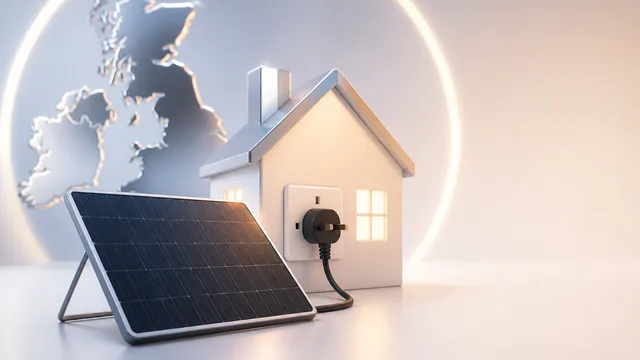
What's Breaking Through
Accessible solar technology entering retail channels, making home energy generation simpler and more affordable for consumers.
1 article in this topic · tracking 3 signals across 1 source feed
About this topic
Plug-in solar panels represent a significant shift in residential renewable energy adoption by removing many barriers that have historically prevented homeowners from going solar. Unlike traditional rooftop installations requiring professional electricians, structural assessments, and lengthy permitting processes, plug-in solar systems offer a simpler alternative. These modular panels connect directly to standard household outlets, making them accessible to renters, homeowners without suitable roofing, and those hesitant about permanent installations. The technology democratizes solar energy by dramatically reducing upfront costs, installation complexity, and the expertise required to participate in the clean energy transition.
The retail expansion of plug-in solar panels marks a turning point in how renewable energy reaches consumers. Rather than purchasing exclusively through specialized solar installers, these products are now appearing in mainstream retail channels, bringing them closer to everyday shoppers. This accessibility strategy aims to demystify solar technology and normalize energy independence as an achievable household upgrade. The move reflects broader market recognition that traditional solar installation models exclude significant consumer segments due to cost, technical barriers, or property constraints. By positioning plug-in panels as consumer electronics rather than specialized installations, retailers are tapping into growing interest in home energy solutions.
This trend intersects with larger conversations about energy resilience, cost-of-living pressures, and climate consciousness among households. As electricity costs continue rising and consumers seek ways to reduce utility bills, plug-in solar systems offer an immediate, tangible option. They appeal to environmentally conscious buyers, budget-minded households, and those experimenting with energy independence before committing to larger installations. The standardization and retail distribution of this technology suggest we're entering a phase where renewable energy solutions become as commonplace as other home improvement products, fundamentally changing how people approach residential power generation.
BuzzRAG Coverage
3 signals from source feeds

BBC News
BBC News
BBC News
These are external articles in the Business desk that match this topic. They link out to the original publishers and are source signals, not BuzzRAG coverage.