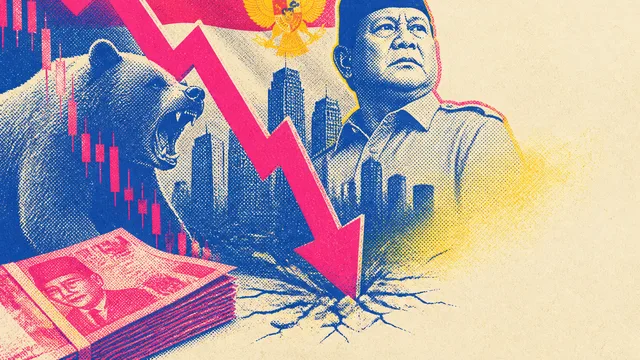
Indonesia's equity markets are navigating a critical period of uncertainty as major index providers reassess the country's market structure and governance standards. The focal point of this scrutiny centers on MSCI's ongoing evaluation of Indonesian markets, with significant implications for international capital flows. A potential downgrade or continued concerns from MSCI could trigger substantial outflows—estimates suggest as much as $13 billion in investor capital may be at risk if confidence erodes further. This assessment carries outsized weight because MSCI indices serve as benchmarks for trillions of dollars in global fund allocations, meaning any negative verdict could cascade through the market.
The underlying issues driving this pressure involve market transparency and structural governance concerns that have drawn repeated attention from international monitoring bodies. Recent reports indicate MSCI is signaling continued reservations about how Indonesian markets operate and how information flows to investors. These concerns have begun to affect public sentiment around Indonesian equities, creating a feedback loop where uncertainty about regulatory standing dampens investor appetite. The government and market operators are acutely aware of the stakes involved and understand that addressing transparency deficiencies is essential to maintaining international investor confidence and market access.
For Indonesia's broader economy, the outcome of this process matters significantly. Foreign investment in equities represents an important source of capital for local companies and helps maintain currency stability. A major capital outflow event could constrain economic growth, limit financing available to businesses, and weaken the rupiah. The situation underscores how emerging market economies must balance domestic policy autonomy with the expectations of international capital markets and the gatekeeping role played by major index providers. Indonesia's path forward likely requires demonstrable reforms to market governance, enhanced disclosure standards, and concrete steps to rebuild confidence among the international investor community.