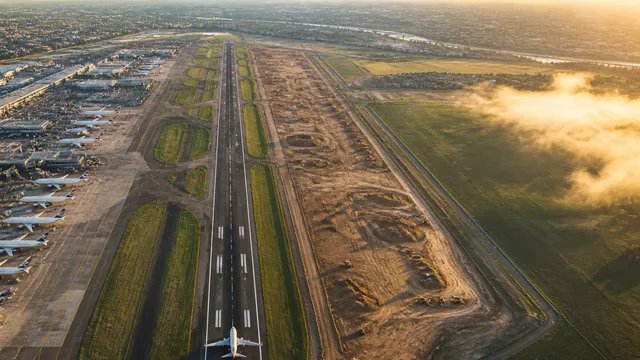
Heathrow’s proposed expansion is one of the UK’s most consequential transport infrastructure projects. The plan centers on a third runway and associated airport works, with an estimated cost of about £49 billion. Supporters argue that additional capacity could strengthen London’s international connectivity, support trade and tourism, and create wider economic benefits. Opponents and critics question whether the financial burden, disruption, and environmental consequences can be justified, particularly when the aviation sector faces pressure to reduce emissions.
A key issue is who would pay for the expansion and under what conditions it could proceed. Advisers have argued that airlines should bear the cost of cleaner flying, linking any new runway to credible measures for reducing carbon emissions rather than treating environmental impacts as a secondary concern. The debate therefore extends beyond airport construction: it involves passenger charges, airline investment, sustainable aviation fuels, noise, local communities, and the UK’s broader climate commitments. Government ministers, regulators, airport operators, airlines, local authorities, and environmental groups all have a role in determining whether the project advances. The cluster follows the economic case, funding model, environmental safeguards, and decision-making process surrounding Heathrow’s future capacity.