AI. Raj Mehta23 hours ago
Why the U.S.-China Trade Truce Lasts Just Two Months
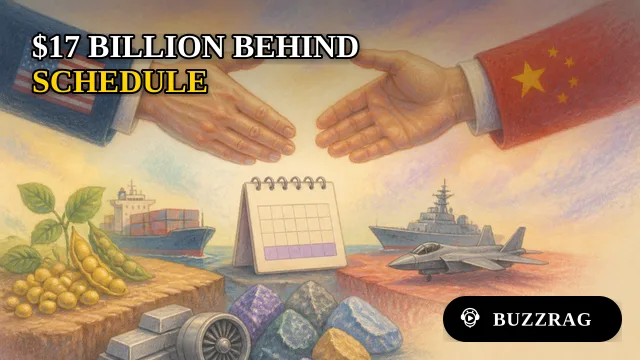
The U.S. and China extended their trade truce to Jan. 10. Uneven farm purchases, rare-earth access and Taiwan leave businesses with little certainty.
What's Breaking Through
US Treasury Secretary Bessent pushes G20 nations to address China's export surge, but China resists multilateral trade restrictions.
1 article in this topic · tracking 44 signals across 10 source feeds
About this topic
Treasury Secretary Janet Bessent has emerged as a vocal advocate for coordinated international action against China's aggressive export strategy, using the G20 platform to rally support for trade policy changes. The central tension involves balancing concerns about cheap Chinese exports flooding global markets with the resistance from Beijing to any coordinated restrictions that might limit its economic growth. This dispute reflects a broader fracture within the Group of Twenty over how to address structural trade imbalances and market distortions.
Bessent's position centers on the need for a global response rather than unilateral action, arguing that G20 countries should collectively reconsider the terms of international trade to prevent market flooding by artificially competitive exports. However, China's refusal to endorse language opposing cheap exports in a joint G20 statement demonstrates the diplomatic complexity of the issue. This dissent highlights how even major economic powers struggle to find common ground on trade matters, with China viewing such multilateral efforts as protectionism disguised as market fairness.
Concurrently, the US is using its G20 hosting role to advance a broader growth agenda aimed at easing concerns in debt markets. By promoting economic expansion and stability, the administration seeks to demonstrate that international cooperation can address shared challenges without resorting to isolationism. The interplay between Bessent's push for trade restrictions and the simultaneous emphasis on growth reflects the delicate balance policymakers must strike—addressing legitimate concerns about market distortions while maintaining economic momentum and international relationships. These discussions underscore the ongoing tension between national economic interests and the impulse toward multilateral cooperation in an increasingly complex global trading system.
BuzzRAG Coverage
24 of 44 signals from source feeds

International Business Times

Fortune

CNBC Top News
International Business Times
CNBC Top News

BBC News

Quartz
Economy
CNBC Top News
BBC News
These are external articles in the Business desk that match this topic. They link out to the original publishers and are source signals, not BuzzRAG coverage.