AI. Rachel "Rach" Kovacs5 months ago
Anthropic's Credit System: Vendor Lock-In or Fair Deal?
Anthropic's new programmatic credits sound like a bonus—until you do the math. Here's what developers actually need to know before June 15th.
What's Breaking Through
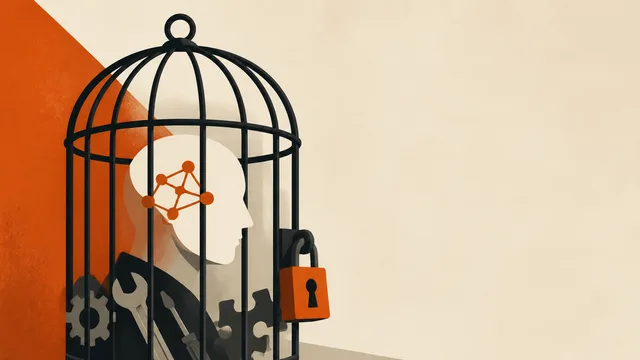
Anthropic's shift to credit-based billing, API changes, and their impact on developer adoption and platform lock-in concerns.
5 articles in this topic
About this topic
Anthropic has recently overhauled how developers access and pay for Claude, moving toward a credit-based system that represents a significant change in the company's business model and developer experience. This shift encompasses changes to both subscription structures and programmatic API usage billing, affecting how teams integrate Claude into their workflows. The moves come as Anthropic positions Claude as a platform for increasingly sophisticated use cases, including agentic AI systems that can autonomously complete complex tasks. However, these changes have raised questions about vendor lock-in, particularly as developers assess whether Anthropic's pricing and access restrictions make it harder to switch to competing AI platforms.
Central to these developments is Anthropic's decision to discontinue or restructure certain access pathways—most notably the OpenClaw project, which had offered alternative routes for developers. Simultaneously, the company introduced new Claude code integration features alongside revised subscription tiers, creating a more granular pricing structure. While Anthropic frames these changes as improvements that better align costs with actual usage and enable more powerful capabilities, critics worry that the credit system and access consolidation could create barriers for developers already invested in Claude workflows. The legal and contractual implications remain unclear, particularly around how these models interact with enterprise agreements and open-source licensing concerns.
The cluster of announcements reflects Anthropic's broader strategy to monetize Claude more aggressively while competing with OpenAI, Google, and other players offering large language models. For developers, the practical impact depends on usage patterns—heavy API consumers may benefit from granular credit-based pricing, while smaller teams or those with diverse tool stacks might find the new structure less flexible. The situation underscores ongoing tensions in the AI industry between platform providers' commercial interests and developer preferences for interoperability and fair pricing.
BuzzRAG Coverage
Anthropic's new programmatic credits sound like a bonus—until you do the math. Here's what developers actually need to know before June 15th.
A developer burned $40,000 in Copilot inference for $40. It's not a hack—it's how the billing was designed. Here's what it means for you.

Anthropic's new programmatic credit system for Claude subs draws a hard line for developers. Here's what it actually means for your workflow and wallet.

Anthropic blocked OpenClaw from Claude subscriptions on April 4th. We break down why it happened and five alternatives that still work right now.
Developer Theo navigates murky legal waters integrating Claude Code with T3 Code while Anthropic stays silent on crucial questions.